
GROW YOUNG WITH US
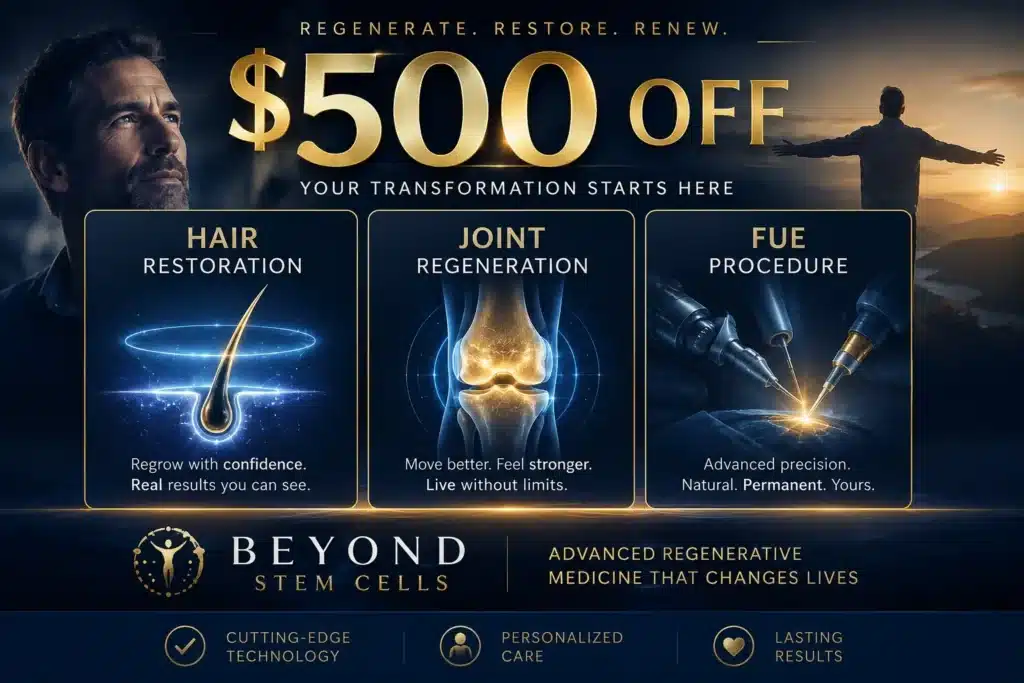
Red light therapy is a non-invasive treatment that utilizes red low-level wavelengths of light to stimulate cellular function and promote healing. This therapeutic technique has gained popularity for its potential to address various health concerns and conditions, from skincare to pain management.
Red light therapy works by delivering specific wavelengths of light energy to the skin and underlying tissues. These wavelengths, typically in the range of 620 to 700 nanometers, can penetrate the skin and be absorbed by the cells, where they stimulate the production of adenosine triphosphate (ATP), the energy currency of the cell. This boost in cellular energy production triggers a cascade of beneficial effects, including improved circulation, tissue repair, and reduced inflammation.
The potential benefits of red light therapy are diverse. One of the most widely recognized applications of red light therapy is in the field of skincare. The treatment has been shown to promote collagen production, reduce the appearance of fine lines and wrinkles, and improve overall skin tone and texture. Additionally, red light therapy is used to accelerate wound healing, reduce inflammation, and alleviate pain, making it a valuable tool for individuals with musculoskeletal injuries or chronic conditions such as arthritis. Red light therapy is also known to help reduce fat and can help with mood disorders.
In the realm of sports and fitness, red light therapy is gaining traction as a means of enhancing muscle recovery, reducing post-exercise fatigue, and improving athletic performance. The therapy’s ability to support cellular repair and reduce oxidative stress makes it an attractive option for athletes and fitness enthusiasts seeking natural ways to optimize their recovery and training outcomes.
The potential side effects of red light therapy are minimal, and adverse reactions are rare. However, some individuals may experience the following side effects:
1. Temporary Redness: A mild, temporary reddening of the skin at the site of treatment may occur, similar to a temporary sunburn.
2. Mild Discomfort: Some individuals may experience mild discomfort during or after the therapy, which usually resolves quickly.
3. Eye Strain: Direct exposure of the eyes to the red or near-infrared light can cause eye strain or discomfort. It is essential to use appropriate eye protection during treatments to prevent this potential side effect.
In conclusion, red light therapy offers a promising non-invasive approach to addressing a wide range of health concerns, from skincare to pain management. Red light therapy stands as a beacon of light in the realm of natural healing modalities
Discover if Regenerative Cell Therapy is the right solution for you. Our specialists are here to guide you—schedule your free consultation today and take the first step toward lasting shoulder pain relief.