Non-Surgical Hair Restoration · Littleton / Denver Metro

Stem Cell Hair Restoration in Littleton

Quick answerNon-surgical hair restoration at Beyond Stem Cells in Littleton starts with understanding why your hair is thinning and what you want to change. Scalp-based treatments differ from FUE, which moves donor follicles. Compare medical options, PRP and donor-derived approaches by your diagnosis, expected care and evidence before choosing a plan. Your consultation is free.
Key facts — At a glance
  • Hair loss needs a diagnosis before a procedure; gradual thinning, sudden shedding and inflamed patches can require different care.
  • Non-surgical hair restoration does not move follicles into a new hairline; FUE is a separate surgical transplant.
  • BSC’s donor-derived MSC approach uses donated umbilical cord/placental tissue; discuss which scalp treatment fits your diagnosis and goals.
  • Evidence for one hair-loss treatment does not prove that another product or combination will work.

A wider part or thinning crown can leave you unsure whether to try a scalp treatment or consider a transplant. Compare what each approach addresses, then bring your goals and questions to a free consultation at Beyond Stem Cells.

Physician-supervised careLittleton · Denver MetroIndividual assessmentFree consultation
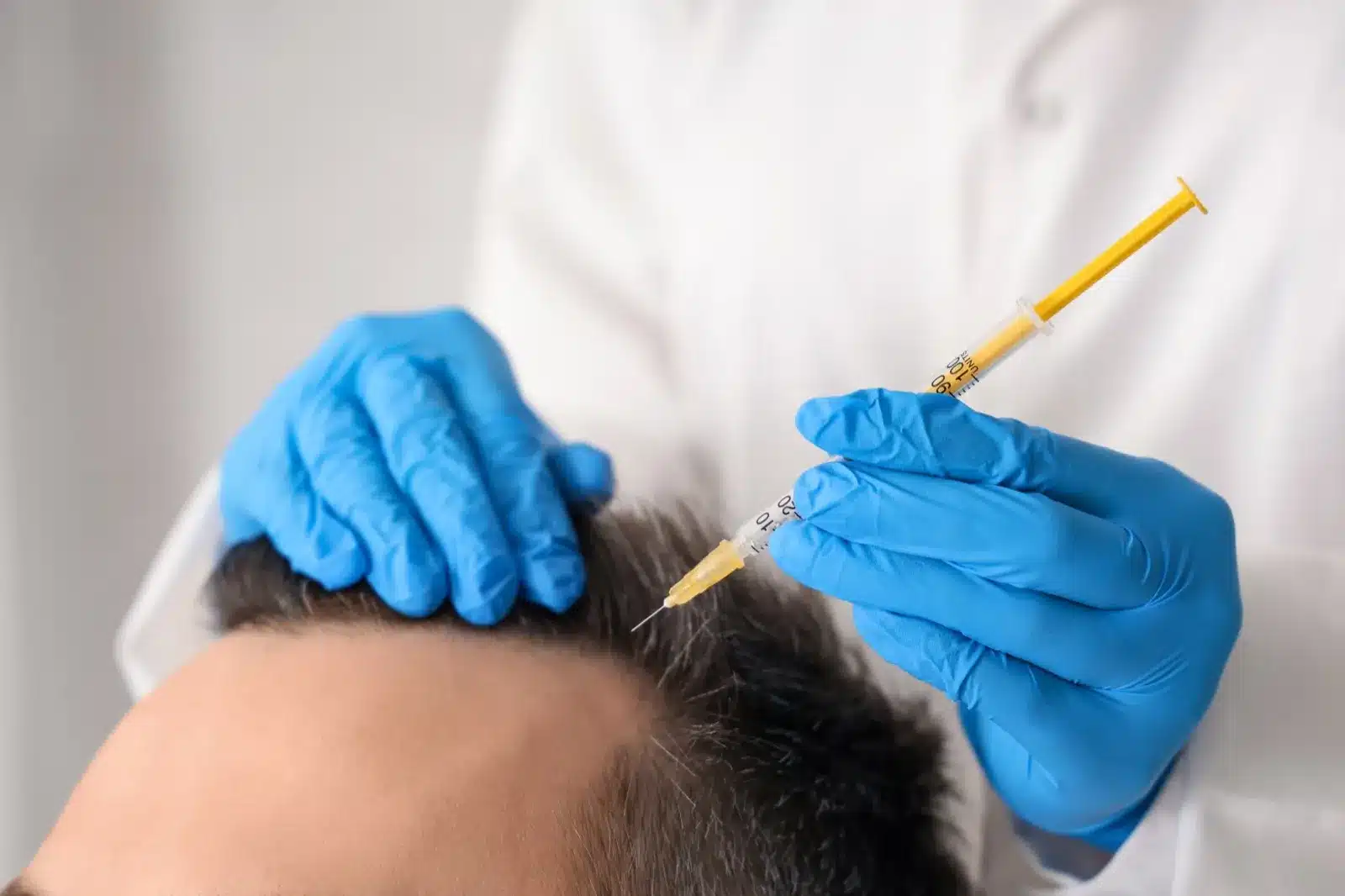
Gloved hands holding a syringe near a man’s thinning scalp
Scalp-based treatment and FUE address different goals; your diagnosis helps guide the comparison.
Understand your options

Gallery

Hair restoration, step by step

Gloved hands holding a syringe near a man’s thinning scalp
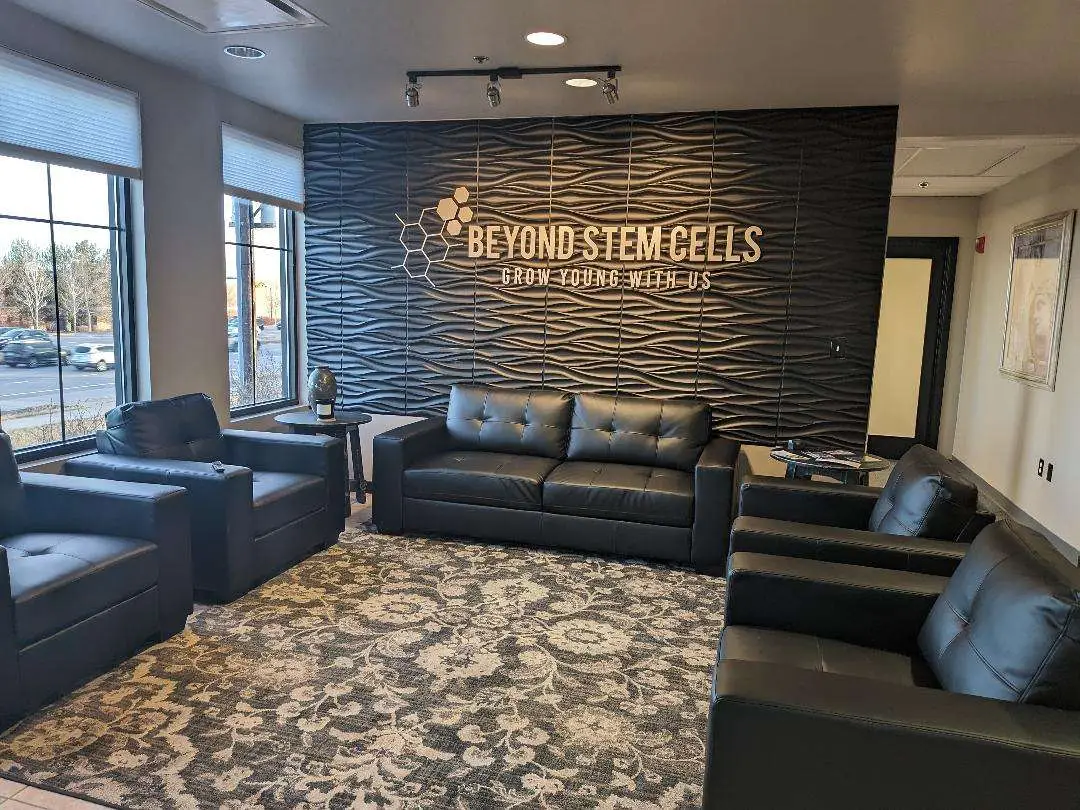
Beyond Stem Cells waiting area with dark sofas and a branded wall
Waiting area at Beyond Stem Cells in Littleton, Colorado
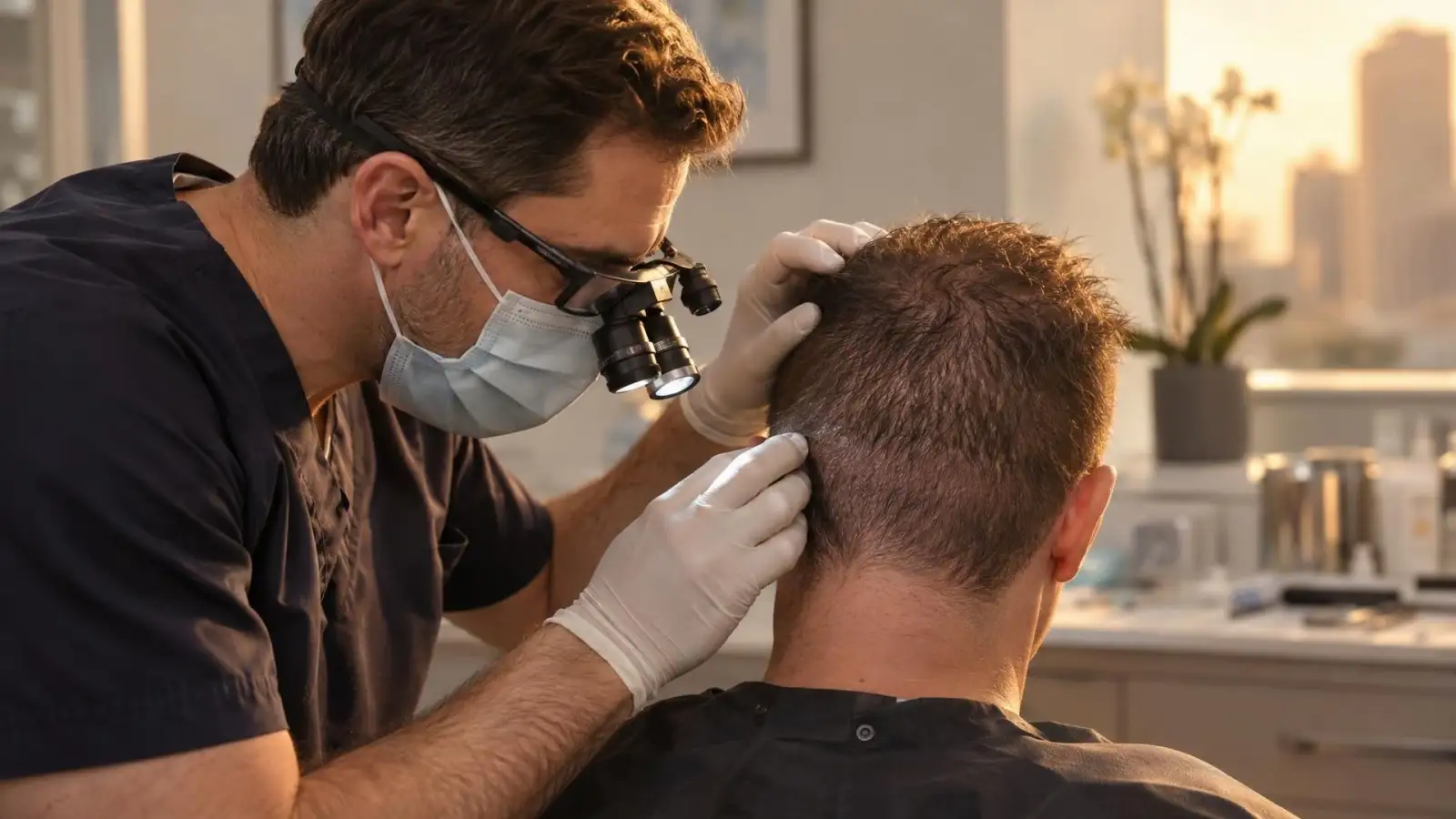
Physician examining the donor area
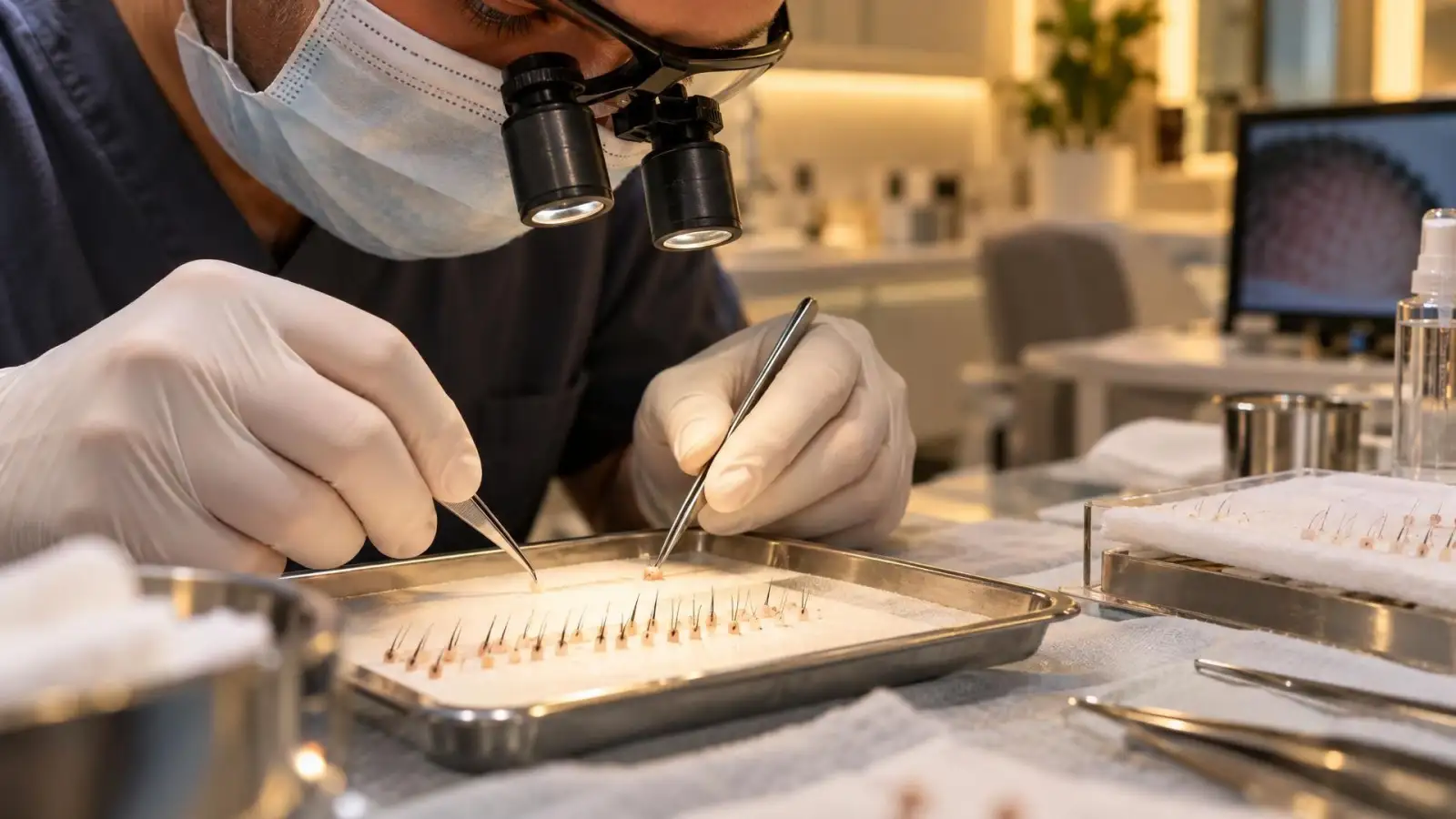
Hair grafts prepared for placement
Checking a hairline in the mirror

Is non-surgical hair restoration in Littleton right for my hair loss?

Non-surgical hair restoration in Littleton may be worth discussing when you want to understand options for thinning hair without committing to transplantation, but the cause of the loss comes first. A scalp procedure is not a diagnosis. The choice depends on the cause of your thinning, the change you hope to see and the evidence for the treatment you are considering.

Start by describing the change you can actually see: a widening part, a crown that shows more scalp, a receding hairline, or an unusual amount of shedding. Note when it began and whether it has been steady or abrupt. According to the American Academy of Dermatology’s explanation of hair-loss causes, hereditary loss, illness-related shedding, tight hairstyles and immune conditions are different problems. Similar-looking thinning can therefore lead to different recommendations.

What should be evaluated before a scalp procedure?

A useful appointment connects your history with a scalp examination and decides whether another evaluation is needed. Bring a medication list, previous treatment details and photographs showing the change over time. Mention scalp discomfort, redness or patches rather than treating those details as cosmetic background. These are reasons to ask whether a dermatologist should establish the diagnosis first.

  • Define the problem: ask what type of hair loss is suspected and what remains uncertain.
  • Define the goal: preserving existing coverage is different from filling a long-bare hairline.
  • Define the comparison: ask what established options should be considered alongside the proposed service.
  • Define the evidence: ask whether it concerns your diagnosis and the exact product you would receive.

Beyond Stem Cells offers consultations for men’s hair-restoration concerns and women’s hair-restoration concerns. BSC’s donor-derived mesenchymal stromal/stem cells, or MSCs, come from donated umbilical cord/placental tissue. At your consultation, discuss which scalp preparation would be considered, how it would be administered and why it might suit your type of loss. Understanding those differences helps you compare the treatment with other options.

When is another appointment the better first step?

If hair loss is sudden, patchy or accompanied by a painful or inflamed scalp, prioritize a medical diagnosis. An advertised restoration package should not postpone evaluation of a possible scalp disorder. If your main goal is to change the shape of an established bald hairline, also compare the separate FUE hair-transplant service, which relocates existing follicles.

You do not need to arrive knowing which treatment to buy. A productive consultation gives you a clearer explanation of the loss, a realistic goal and a reason to choose, postpone or decline the proposed option. It should also make clear whether the next step is treatment at this clinic or a referral elsewhere.

A clear answer starts with an assessment.

Bring your questions. A consultation helps you understand which options fit your history and goals.

Beyond Stem Cells waiting area with dark sofas and a branded wall
Beyond Stem Cells is at 5912 S Cody St, Suite 201, Littleton; consultations are free.
Make an informed choice

How does non-surgical hair restoration compare with PRP, medication and FUE?

Non-surgical hair restoration should be compared with PRP, medication and FUE by diagnosis, purpose and evidence, rather than by which treatment sounds newest. These names describe different interventions. Combining them into one package does not erase their differences or prove that the package works better.

What can established medical treatment address?

For a confirmed diagnosis, a dermatologist may discuss options such as topical minoxidil or a suitable prescription treatment. Availability and suitability depend on the person and the type of loss. The AAD’s diagnosis and treatment guide explains that treatments differ and that some require ongoing use. This is general education, not a statement that every medication is offered at Beyond Stem Cells.

When comparing medication with a procedure, ask two practical questions: what result would count as worthwhile, and what ongoing commitment is required? A plan you cannot maintain deserves discussion before you spend money on it. Keep photographs, dates and treatment changes together so a later review can distinguish a sustained change from a different haircut or lighting.

What makes PRP different from donor-derived cells?

Platelet-rich plasma, or PRP, is prepared from the patient’s own blood. Donor-derived MSCs come from another tissue source. Those are distinct materials with different preparation, evidence and regulatory questions. A study about PRP cannot substantiate a claim about an MSC product, and a study about one donor-derived preparation cannot automatically validate another.

For a scalp treatment, discuss the preparation, how the visit would work and what is known about benefits and side effects for your diagnosis. Your clinician should also explain the product’s FDA status in language you can understand. The FDA’s stem-cell and exosome consumer alert cautions patients about misleading claims and unapproved products. Stem cells, growth-factor preparations and exosome products differ, so understanding which is being discussed matters to your decision.

When does FUE answer a different question?

FUE moves follicles from a donor area to an area needing coverage. It is a surgical choice with donor-area limits, aftercare and a separate assessment. The AAD’s hair-transplant guide explains that transplantation requires appropriate donor hair. A non-surgical scalp treatment does not perform that relocation, so the two services should not promise the same kind of change.

The first question is what is causing the loss; the next is whether the proposed treatment has evidence for that problem.

Editorial framing informed by AAD diagnosis guidance; not a patient testimonial.

Ask for the simplest justified plan before considering extras. If a combination is suggested, request a reason for each component and separate its cost from the base treatment. You should understand what each part is intended to do and which claimed benefits remain uncertain. Declining an optional addition should still leave you able to understand the main recommendation.

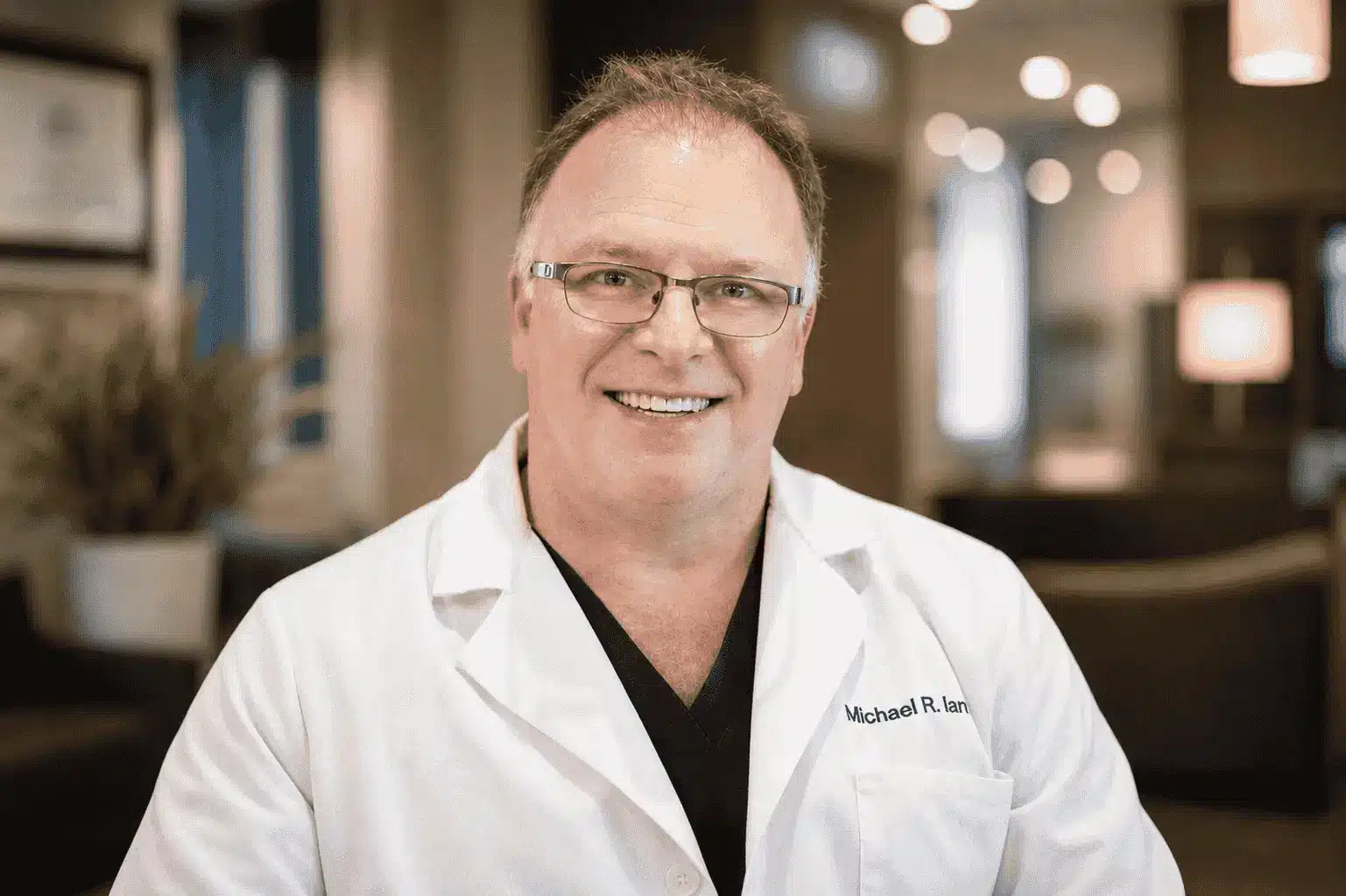
Portrait of supervising physician Dr. Michael Iannotti
Dr. Michael Iannotti, MD is the supervising physician and is board certified in Family Medicine.
Plan your next step

What should I ask about non-surgical hair-restoration cost, results and follow-up?

Non-surgical hair-restoration cost, results and follow-up should be explained together, because a lower initial price says little about the total commitment. Beyond Stem Cells provides a free consultation; treatment pricing is individualized. Your quote should reflect the treatment recommended for your scalp, the planned visits and the follow-up involved, so you can compare the full commitment with other options.

What belongs in a written quote?

Request a description of the exact proposed treatment and the number of planned visits. Ask whether evaluation, product, administration, follow-up and any maintenance visits are included or separately billed. If several components are recommended, an itemized quote helps you decide which ones have a clear purpose and which are optional. Do not assume insurance coverage or financing terms from a general website statement.

  • Product: what would be applied or administered, and by which route?
  • Visits: which appointments are included, and what could add cost?
  • Aftercare: what restrictions or symptoms should you expect for that procedure?
  • Review: when would progress be assessed, and who makes that assessment?
  • Decision point: what would justify continuing, changing or stopping?

The captured payments page is a starting point for questions, not a substitute for your written quote.

How should progress be assessed?

Agree on a baseline before treatment. Photographs are more useful when parting, lighting, distance and styling stay similar; record other hair treatments at the same time. Ask what observation would count as improvement and what cannot be concluded from photographs alone. An attractive after-image does not show that a particular product caused the change.

Hair changes need to be assessed over time, with expectations suited to your diagnosis and treatment. Discuss when to review progress, what change would count as worthwhile and what remains uncertain about the approach. If no meaningful change occurs, you should know whether the recommendation is observation, a different approach, a specialist opinion or stopping rather than automatically purchasing more sessions.

Who is responsible for your next step?

Dr. Michael Iannotti, MD is the clinic’s supervising physician, board certified in Family Medicine. Confirm who would evaluate you and who would perform any procedure; see the medical-team page. Your personal medical assessment is the place to discuss scalp findings, suitability and the next step that makes sense for you.

To arrange a free consultation, call (833) 720-7836 or use the clinic contact page. Beyond Stem Cells is at 5912 S Cody St, Suite 201, Littleton, CO 80123, open Monday–Saturday, 9 am–5 pm. Bring questions about alternatives as well as the advertised service; an informed decision can include choosing a different next step.
Compare your options

Physician-guided hair restoration
in Littleton, Colorado

  • 4.9★Google rating
  • 170Google reviews
  • 6 daysOpen Monday–Saturday
  • 48Hours open each week

Which hair-restoration option addresses my goal?

Option Main decision What to verify
Medical treatment Diagnosis-specific treatment or ongoing management Suitability, side effects and continued-use requirements with a qualified clinician
PRP A scalp procedure using a preparation of your own blood Evidence for your type of loss and the exact preparation and schedule
Donor-derived MSC approach An investigational product discussion, not a follicle transplant Exact contents, research, FDA pathway and procedure-specific risks
FUE hair transplant Relocating donor follicles to improve coverage Donor supply, surgical provider, aftercare and ongoing loss elsewhere
Candidacy

What should you discuss at your consultation?

  • You have thinning hair and want a diagnosis before choosing a procedure.
  • Your goals distinguish maintaining existing coverage from redesigning a bald hairline.
  • You can review evidence, uncertainty and alternatives without expecting guaranteed growth.
  • You will disclose medications, scalp symptoms and previous hair treatments.
  • Sudden, patchy or symptomatic loss may need dermatology evaluation before a cosmetic service.

Candidacy is determined through an individual clinical evaluation. An option described on this page may not be appropriate for your condition.

How it works

What happens next?

  1. Describe the loss

    Bring the timeline, photographs, current medications and prior treatment details to a free consultation.

  2. Clarify the diagnosis

    Ask what is causing the thinning and whether dermatology evaluation is needed before a procedure.

  3. Compare a written plan

    Review the exact product, alternatives, risks, regulatory status, expected visits and individualized quote.

  4. Agree on reassessment

    If you proceed after evaluation and consent, establish baseline photographs, aftercare contacts and a review point.

Cost & planning

What does non-surgical hair restoration cost?

Your consultation is free, and non-surgical hair-restoration pricing is individualized. Request an itemized quote covering the treatment, planned visits and follow-up.

Ask about benefits, limitations, and alternatives.

The right choice depends on a diagnosis, realistic expectations, and a plan you understand.

Your clinical team

Who supervises care at Beyond Stem Cells?

Dr. Michael Iannotti, supervising physician at Beyond Stem Cells

Dr. Michael Iannotti, MD

Dr. Michael Iannotti is the clinic’s supervising physician and is board certified in Family Medicine. The clinical team evaluates your health history, goals, and suitability before recommending a service.

Meet the medical team

A treatment decision starts with understanding the problem, the options, and the limits.

Common questions

Frequently asked questions about non-surgical hair restoration

Can stem cell therapy help with hair loss?

Whether a donor-derived approach is appropriate depends on the cause of your hair loss and evidence for the specific treatment. Discuss how it compares with established options, what benefit remains uncertain, and the product’s FDA status before deciding.

How much does non-surgical hair restoration cost?

Beyond Stem Cells offers a free consultation and individualized treatment pricing. Your quote should explain the recommended treatment, planned visits and follow-up so you can compare the total commitment with other options, including FUE.

Does non-surgical treatment replace a hair transplant?

Non-surgical scalp treatment does not relocate follicles. FUE is a separate surgical procedure that moves donor follicles; diagnosis, donor supply and goals determine which options merit discussion.

Are donor-derived MSCs the same as PRP?

No. PRP is prepared from your own blood. BSC’s donor-derived MSCs come from donated umbilical cord/placental tissue. Your clinician should explain which preparation is proposed for your scalp and how it differs from other hair-loss options.

Where we serve

Non-Surgical Hair Restoration in Littleton, serving the Denver metro.

Beyond Stem Cells is located at 5912 S Cody St, Suite 201, Littleton, CO 80123. Our clinic serves patients from Littleton and surrounding Denver-area communities.

  • Littleton
  • Denver
  • Englewood
  • Lakewood
  • Highlands Ranch
  • Centennial

Hours: Monday–Saturday, 9:00am–5:00pm.

Get directions to the Littleton clinic

Waiting area at Beyond Stem Cells in Littleton, Colorado
Meet the team and discuss your options at the Littleton clinic.

Get a plan that fits your situation.

Call the Littleton clinic or request your free consultation. Bring your questions about suitability, cost, and what to expect.

Sources & context

Where can you learn more?

This page provides general educational information and is not individual medical advice. Treatments, risks, and suitability vary. Clinical and regulatory information should be discussed with a qualified clinician; no specific outcome is promised.

Hair loss path checker

Non-surgical or FUE: which hair restoration path fits your hair loss?

The difference between a dormant follicle and a lost one decides your whole treatment path, and it takes an evaluation, not a guess. Answer one question to see which path the evaluation usually starts from.

What does the area you want to restore look like?

Dormant follicles

Non-surgical regenerative treatment

Non-surgical treatment (stem cell, PRP, PRF or exosome) targets dormant follicles with no downtime. Packages generally run $499–$5,000, and most patients begin noticing change over roughly three to four months.

Men's hair loss treatment · Women's hair restoration

Lost follicles

FUE hair transplant

FUE is the right answer when follicles in an area are genuinely gone rather than dormant, the gap regenerative therapy cannot overcome. Grafts are $4 each, and most patients return to work and everyday activities within a few days.

FUE hair transplant · FUE graft cost calculator

General education, not a diagnosis. Your path is confirmed at a free consultation in Littleton, CO. Request your free consultation or call (833) 720-7836.

Before & after

Drag to compare

BeforeAfter

Photos of patients treated at Beyond Stem Cells, as published on our Results page. Individual results vary.

Medically reviewed by Dr. Michael Iannotti, MD · Updated

CallBook Free Consult