Joint Regeneration in Littleton, Colorado
- A painful joint needs a diagnosis; an injection cannot be chosen reliably from pain location alone.
- Joint-care decisions should focus on symptoms and function; cartilage regrowth and reversal of arthritis are not guaranteed.
- PRP uses your own blood; BSC’s MSC source is donated umbilical cord/placental tissue, not your marrow or fat.
- FDA cautions that marketed regenerative cell products are not approved for orthopedic conditions.
- BSC does not treat the spine; joint-service pricing is individualized.
Joint pain can make stairs, walks or a full night’s sleep feel out of reach. A free Beyond Stem Cells consultation gives you a place to discuss the diagnosis, your daily goals and the options worth comparing.
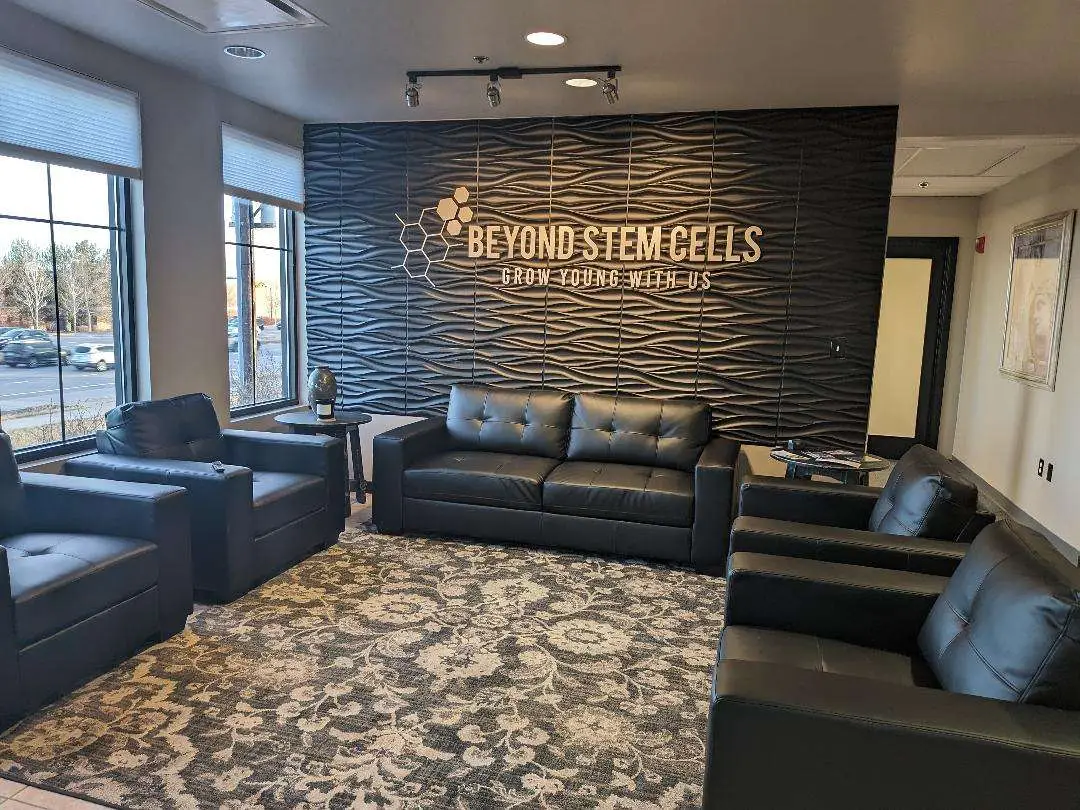
Gallery
Inside joint regeneration care
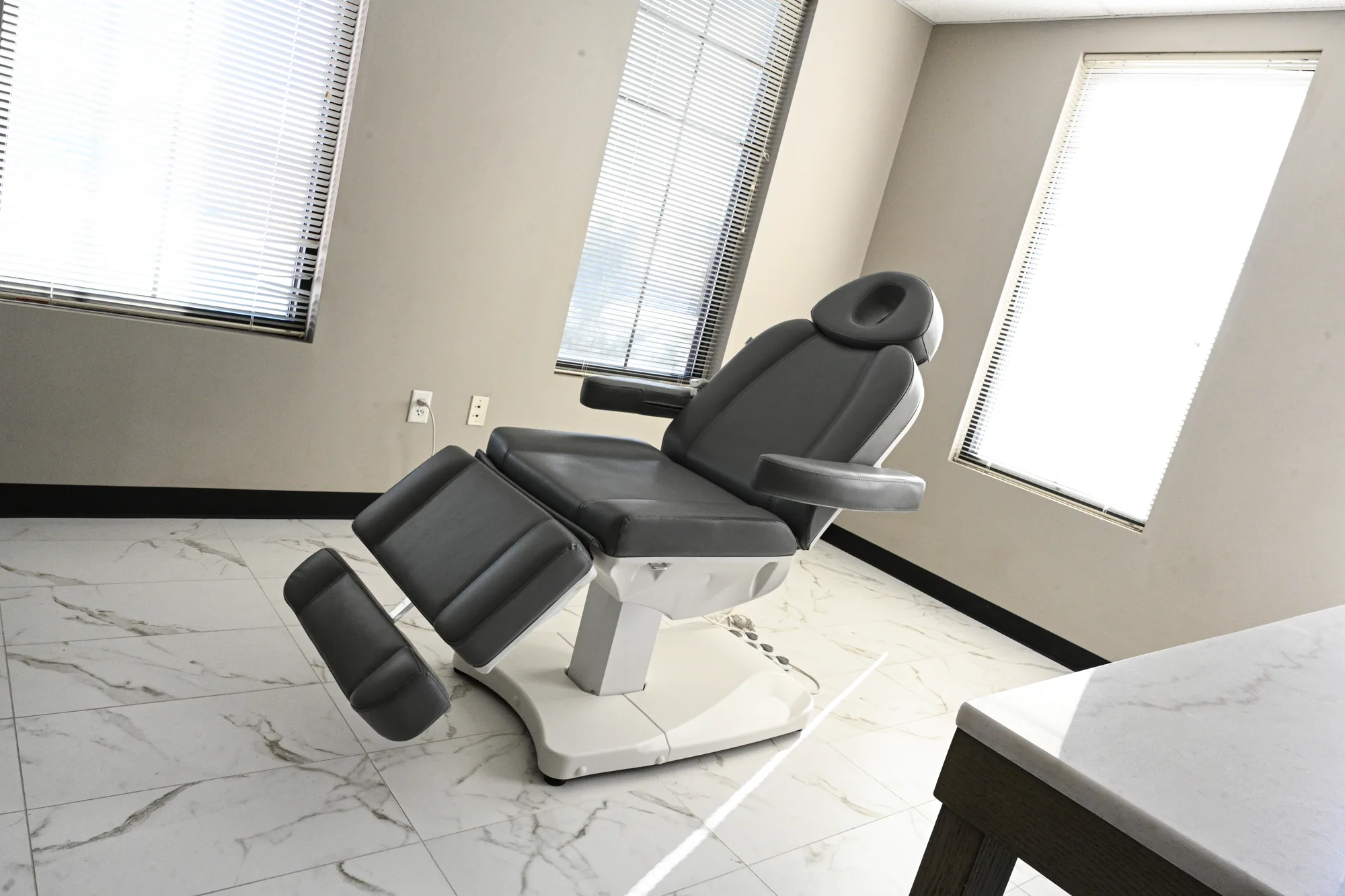

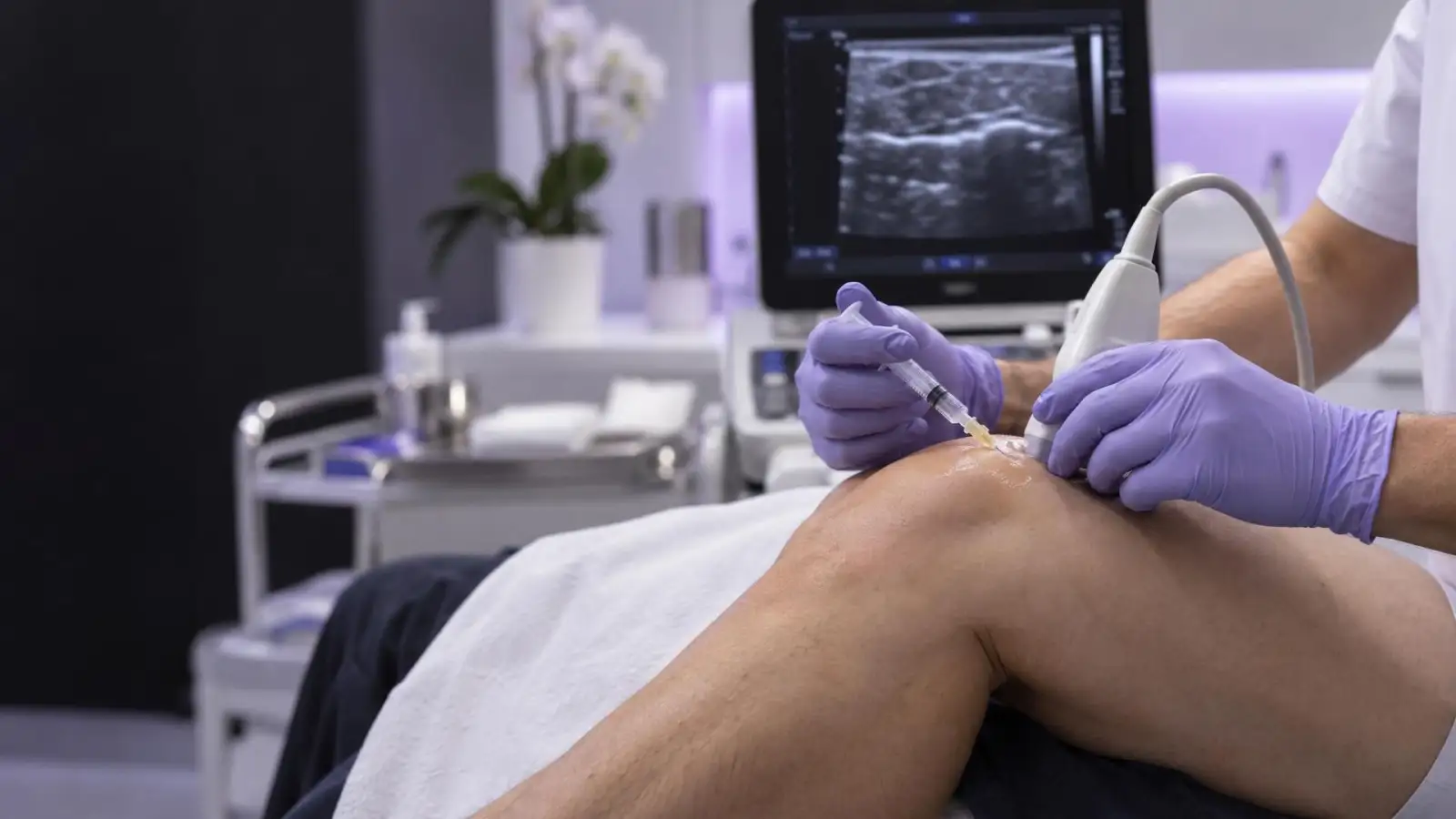
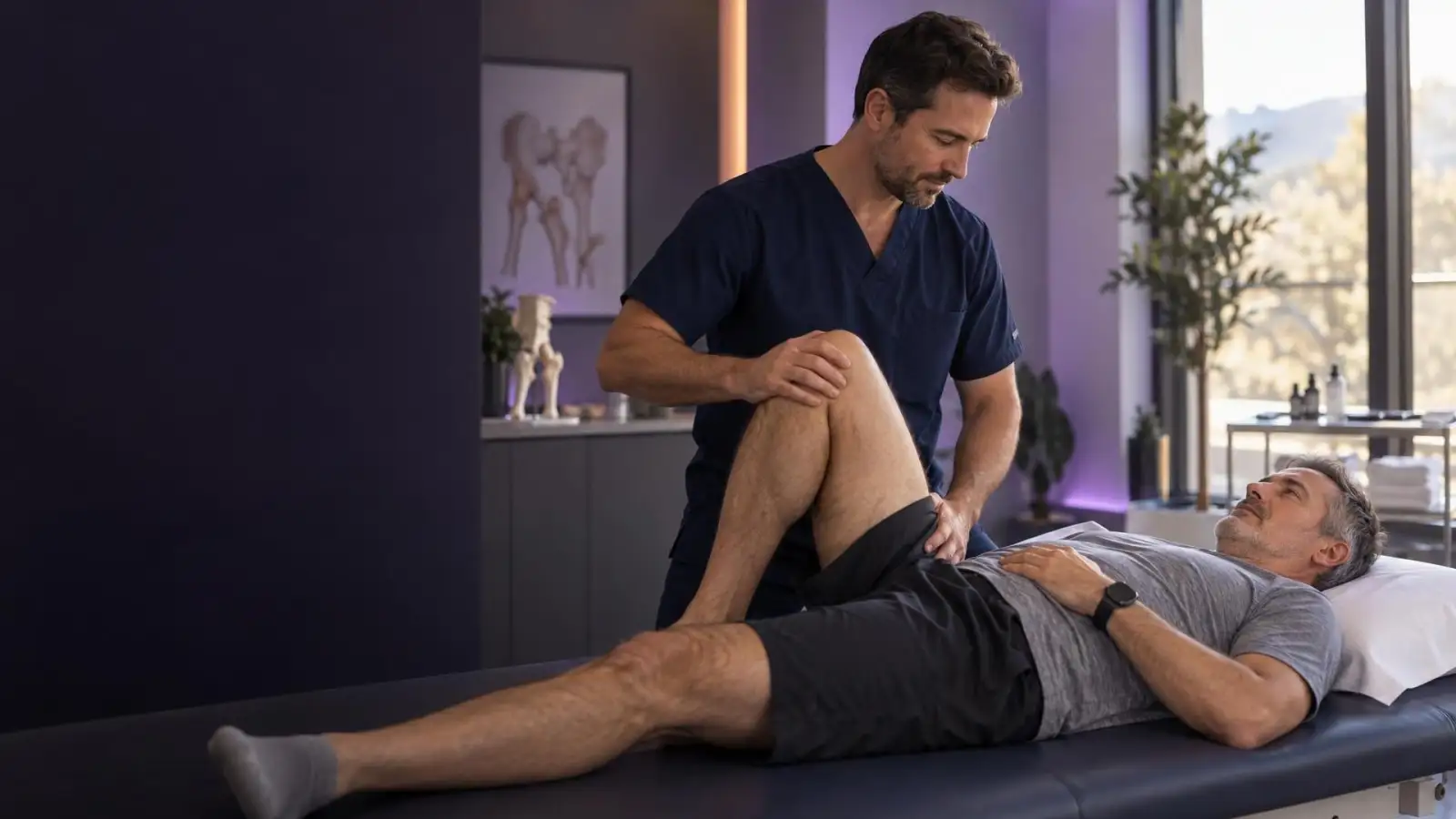
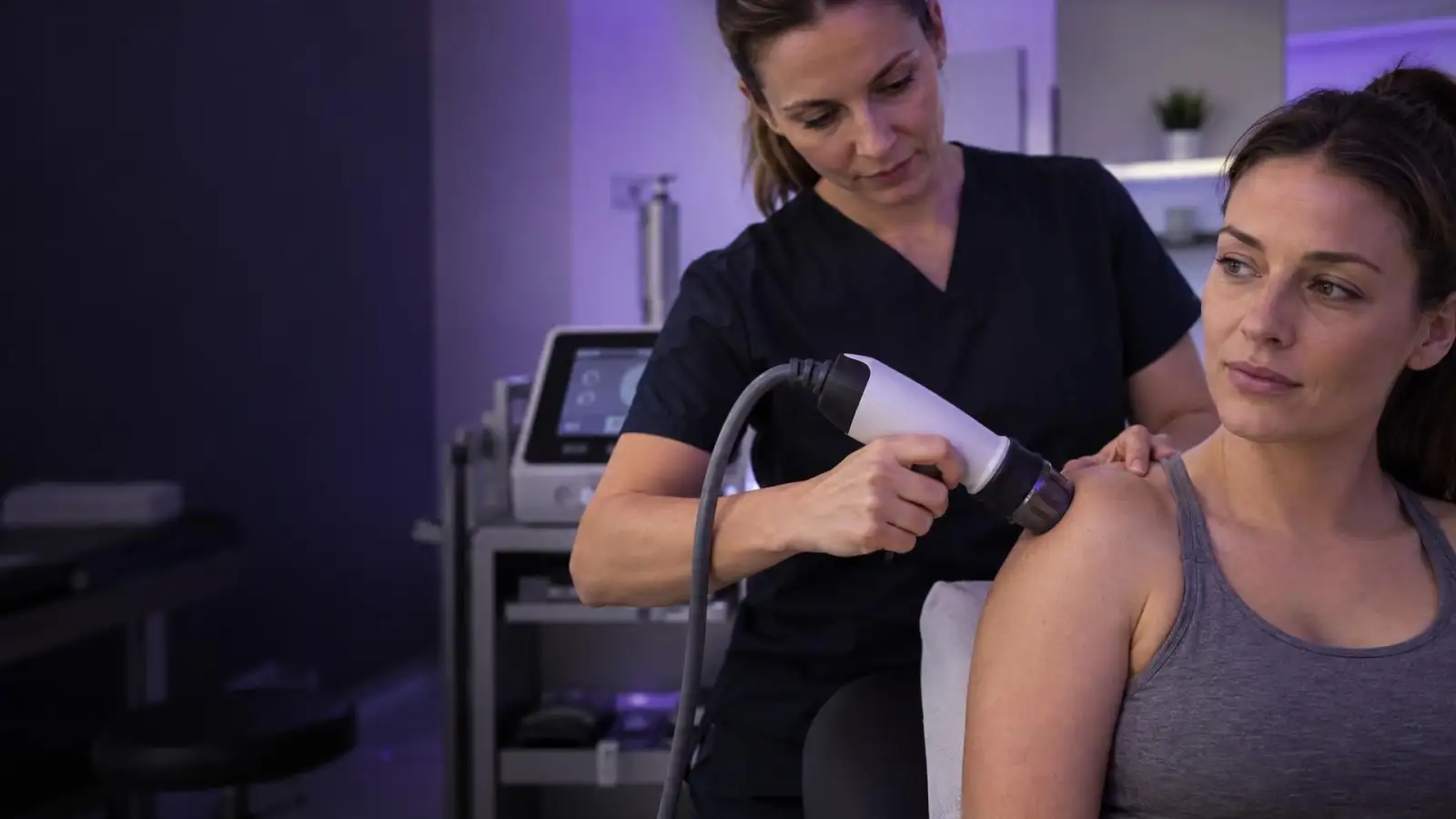
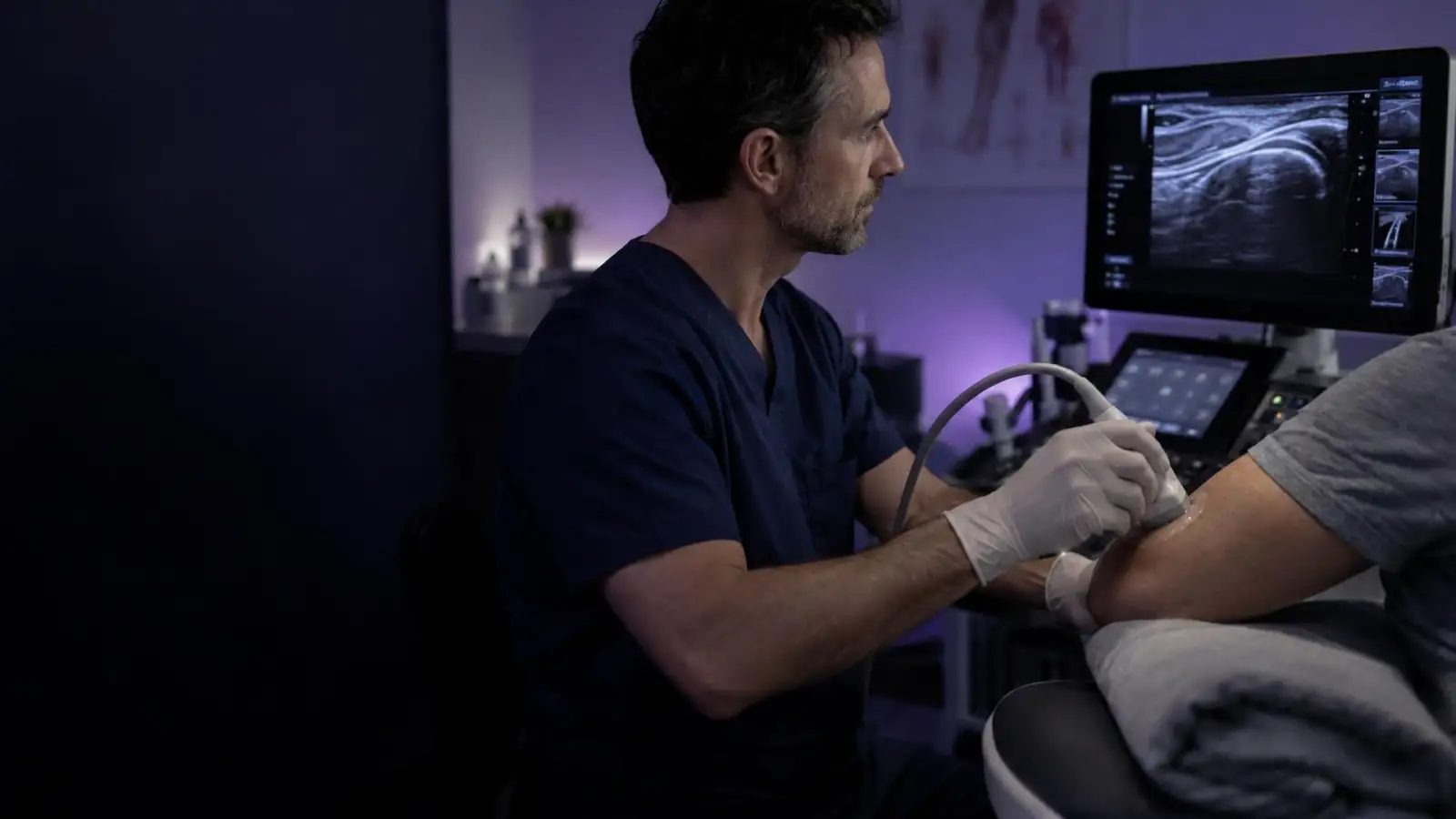
Is joint regeneration in Littleton appropriate for my joint pain?
Joint regeneration in Littleton is worth discussing only after the painful joint and likely cause have been identified. The same symptom can accompany different problems, and a treatment promoted for one condition may not fit another. At Beyond Stem Cells, the service name should be understood as a topic for evaluation, not a prediction that cartilage will regrow.
Begin with the activity you want to recover: walking the dog, getting up from a chair, reaching a shelf or sleeping without repeated discomfort. Then describe what happens during that activity and what you have already tried. A clear goal helps you compare proposals more usefully than a general wish to “heal the joint.” It also gives the clinician something specific to assess later.
What should the diagnosis establish?
A physical examination and review of appropriate records help distinguish a joint problem from a nearby tendon, muscle or other source of symptoms. For knee arthritis, the American Academy of Orthopaedic Surgeons’ patient guide describes assessment using history, examination and sometimes imaging or other tests. An image can contribute to the diagnosis, but it should be interpreted alongside your symptoms and function.
- Location: identify the joint and the movements that trigger discomfort.
- Pattern: describe swelling, stiffness, instability or a recent injury.
- Prior care: bring therapy records, medication details and injection history.
- Records: bring available imaging and reports, rather than assuming new tests are always needed.
- Goal: name a daily task that would represent meaningful improvement.
Beyond Stem Cells provides information for people considering care for knee, hip, shoulder, elbow and hand/wrist concerns. Start with the knee-pain page when that is your concern, and bring the activities that cause discomfort to your consultation so the discussion stays focused on your own needs. Beyond Stem Cells does not treat spine conditions. Back or neck symptoms need an appropriate evaluation elsewhere rather than a joint-regeneration booking.
When should routine consultation wait?
A suddenly hot, swollen joint with fever, or an acute injury that prevents you from using the limb, warrants prompt medical assessment. Mayo Clinic’s joint-pain guidance explains when injury-related pain warrants immediate assessment. Do not use a routine elective consultation to delay care for an urgent problem. A history of inflammatory disease, prior surgery or significant medical conditions also belongs in the evaluation before any injection is discussed.
The best outcome of a first visit may be a treatment comparison, a request for more diagnostic information or a referral. Ask the clinician to explain why the proposed option fits your diagnosis and what would make it inappropriate. Feeling better matters, but a recommendation should also account for function, risk, costs and the alternatives you could reasonably choose.
A clear answer starts with an assessment.
Bring your questions. A consultation helps you understand which options fit your history and goals.
How do joint-regeneration options compare with PRP and established care?
Joint-regeneration options should be compared with PRP and established care using the diagnosis and the actual product, because those categories are not interchangeable. A procedure described as biological or regenerative may still have uncertain benefit, meaningful risks and a different regulatory pathway from another injection.
What alternatives belong in the comparison?
Depending on the diagnosis, a clinician may discuss exercise-based rehabilitation, activity modification, appropriate medication, selected injections or orthopedic surgery. Some options may involve rehabilitation or an orthopedic specialist outside the clinic; discuss which choices are appropriate for you and where to pursue them. The AAOS knee-arthritis guide describes nonsurgical treatment and circumstances in which surgery may be considered. Comparing those options does not require deciding in advance that surgery is either necessary or avoidable.
Ask what you would lose by waiting and what you might gain by trying a conservative approach first. If a surgeon has already recommended an operation, bring that recommendation to the discussion. A regenerative consultation should not turn a documented surgical problem into a promise that an injection will replace the procedure.
What does PRP actually contain?
PRP is a concentrated preparation of platelets from the patient’s own blood. The AAOS PRP overview describes the preparation and notes that results depend on the condition and other factors. It is not the same material as donor-derived MSCs, and favorable research for PRP cannot be used as proof for an unrelated cell product.
For a proposed PRP plan, ask what evidence applies to your diagnosis, how the preparation is made and why that schedule is recommended. For any injection, discuss procedure-specific risks such as pain, infection or bleeding with the treating clinician. “Non-surgical” describes an approach; it does not mean risk-free or establish a recovery time.
What should I know about donor-derived MSCs?
BSC’s donor-derived MSCs come from donated umbilical cord/placental tissue, rather than your own marrow or fat. Discuss the particular preparation and how it would be used for your diagnosis. Studies of different cell preparations may not apply to the same treatment, so the evidence should be considered alongside your symptoms, goals and established alternatives.
The FDA’s regenerative-medicine patient information states that these marketed regenerative products have not been approved for orthopedic conditions. That is a reason to ask for the exact FDA pathway, not to assume that an IRB label authorizes the proposed use. Research oversight and product approval answer different questions; see the clinic’s IRB and regenerative-medicine information for that distinction.
Choose a joint treatment by the diagnosis it addresses and the evidence for that treatment, not by the promise contained in its name.
Editorial framing informed by AAOS treatment guidance and FDA patient information; not a patient testimonial.
A useful comparison leaves you knowing what is established, what is uncertain and what would be measured if you proceed. No symptom improvement should be described as proof of cartilage regeneration without evidence that actually demonstrates it.
What should a joint-regeneration plan include before I pay?
A joint-regeneration plan should identify the diagnosis, exact proposed procedure, alternatives, risks and full anticipated cost before you pay. At Beyond Stem Cells, the consultation is free and treatment pricing is individualized. A written quote helps you understand the total commitment, compare it with other options and decide whether the plan is practical for your circumstances.
What details make the recommendation understandable?
Ask which joint and which diagnosis are being addressed. The plan should distinguish a proposed treatment from any additional therapy, rehabilitation or follow-up that may be recommended. If a product is donor-derived, request its name and regulatory explanation; if it is PRP, ask about the preparation. If several components are combined, request a rationale and separate cost for each.
- Procedure: clarify the product, route, site and person performing it.
- Alternatives: discuss reasonable options, including continuing established care or seeking an orthopedic opinion.
- Aftercare: ask about restrictions relevant to your work, driving and exercise.
- Safety: identify symptoms that require a call or urgent assessment.
- Review: agree on a follow-up point and what will be measured.
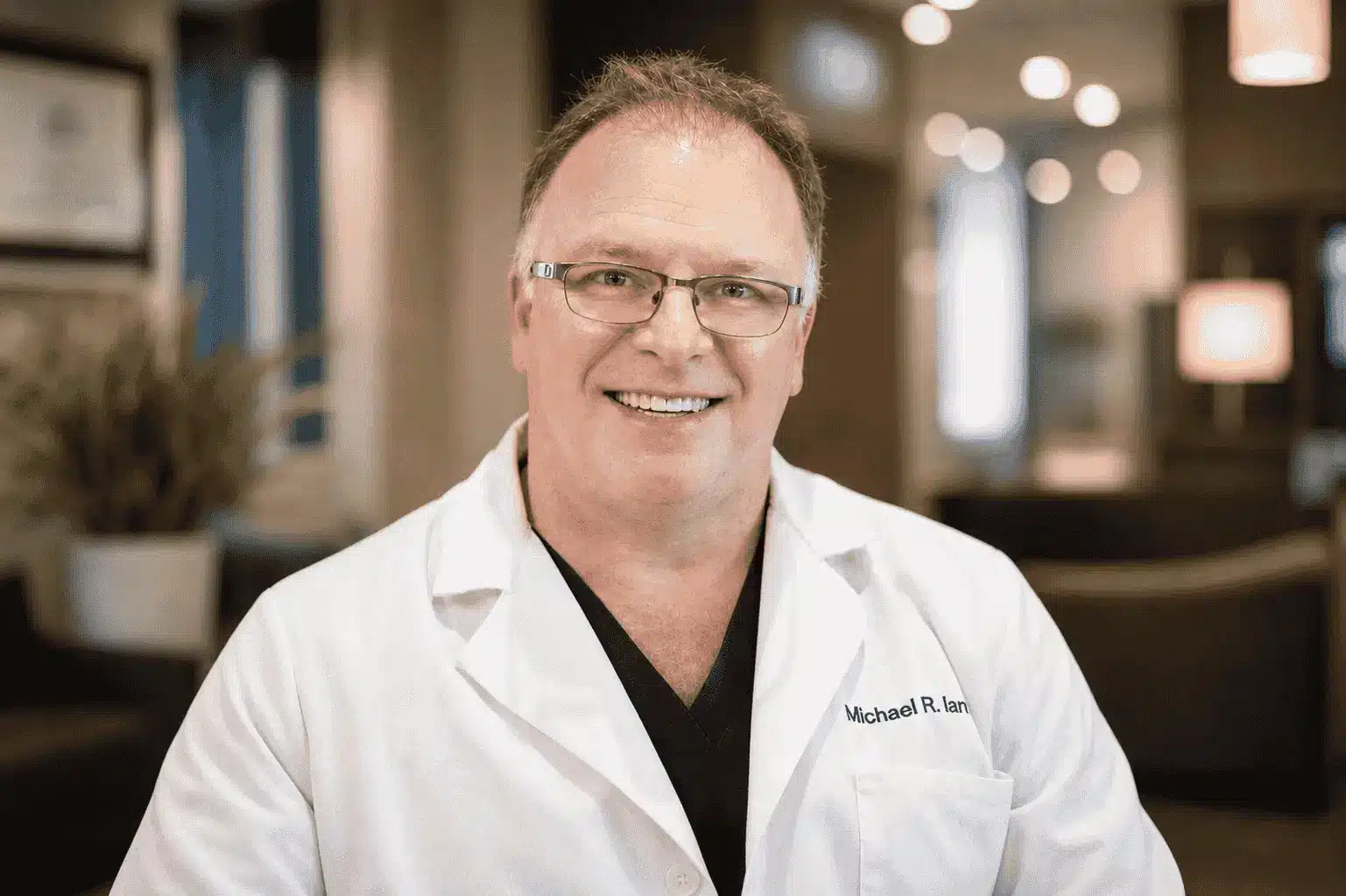
Dr. Michael Iannotti, MD is the supervising physician and is board certified in Family Medicine. The medical-team page provides background; confirm who is responsible for your own assessment and procedure. Physician supervision does not by itself establish the effectiveness or approval status of a product.
How do I compare the real cost?
Ask whether the quote includes the product, administration, any guidance or imaging, follow-up and recommended repeat visits. Clarify which services could be billed separately. Do not assume insurance payment or financing approval; the payments page can help frame questions, but your actual obligations need written confirmation.
What would count as a worthwhile result?
Before treatment, record a concrete baseline: how far you can walk, how stairs feel, whether pain interrupts sleep, or which motion remains limited. Keep other changes in care visible when reviewing progress. A better pain score does not prove that new cartilage has formed, and a disappointing response should lead to reassessment rather than an automatic purchase of additional sessions.
To arrange a free consultation, call (833) 720-7836 or use the contact page. Beyond Stem Cells is at 5912 S Cody St, Suite 201, Littleton, CO 80123, Monday–Saturday, 9 am–5 pm. This page offers general education; personal candidacy, recovery instructions and treatment decisions require evaluation by a qualified clinician, and no outcome is guaranteed.
Physician-guided joint regeneration
in Littleton, Colorado
- 4.9★Google rating
- 170Google reviews
- 6 daysOpen Monday–Saturday
- 48Hours open each week

How should I compare joint-care choices?
| Approach | What the discussion addresses | Main limitation or question |
|---|---|---|
| Rehabilitation and established nonsurgical care | Symptoms, function and condition-specific management | Which options fit the diagnosis and what has already been tried? |
| PRP | An injection prepared from the patient’s own blood | Evidence and outcomes vary by condition and preparation |
| Donor-derived MSC product | A specific proposed cell product and investigational use | Exact FDA pathway, protocol, risks and product-specific evidence must be verified |
| Orthopedic surgery | A structural problem that may warrant an operation | Requires an orthopedic assessment; an injection cannot be promised to replace it |
What should you discuss at your consultation?
- You have a joint-specific concern and want to clarify the diagnosis and alternatives.
- You can share prior imaging, therapy, surgery and injection records.
- You understand that a service name does not guarantee cartilage repair or relief.
- You can review product-specific risks and regulatory status before agreeing.
- Spine conditions are outside BSC’s treatment scope; urgent joint symptoms require prompt medical assessment.
Candidacy is determined through an individual clinical evaluation. An option described on this page may not be appropriate for your condition.
What happens next?
-
Bring the joint history
Describe the location, symptom pattern, daily limitations and prior care at a free consultation.
-
Confirm the diagnosis
Review examination findings and available records; determine whether further testing or referral is appropriate.
-
Compare the proposal
Discuss established alternatives, exact product, FDA pathway, risks, aftercare and itemized cost before consent.
-
Set a review point
If you proceed after evaluation, agree on functional goals, follow-up responsibilities and when to reassess the plan.
What does joint regeneration cost?
Ask about benefits, limitations, and alternatives.
The right choice depends on a diagnosis, realistic expectations, and a plan you understand.
Who supervises care at Beyond Stem Cells?
Dr. Michael Iannotti, MD
Dr. Michael Iannotti is the clinic’s supervising physician and is board certified in Family Medicine. The clinical team evaluates your health history, goals, and suitability before recommending a service.
A treatment decision starts with understanding the problem, the options, and the limits.
Frequently asked questions about joint regeneration
Does joint regeneration regrow cartilage?
Cartilage regrowth is not an established outcome of the treatment discussed here. Consider the proposed approach in terms of your diagnosis, evidence and goals for symptoms and function; improvement in pain alone does not demonstrate new cartilage.
Are donor-derived MSCs FDA approved for knee arthritis?
FDA patient information states that marketed regenerative cell products have not been approved for orthopedic conditions such as osteoarthritis and knee pain. Ask for the exact product and applicable FDA pathway; IRB review is a separate matter.
Does BSC take cells from my bone marrow or fat?
No. BSC’s donor-derived MSCs come from donated umbilical cord/placental tissue, rather than your marrow or fat. PRP, if recommended, is a separate preparation made from your own blood.
How long does joint regeneration take to work?
Response depends on your diagnosis, the exact product and the treatment plan. Discuss the expected follow-up point, what improvement would mean for you and how the plan would be reassessed if your symptoms or function do not improve.
How much does joint regeneration cost?
Your consultation is free, and treatment pricing is individualized. Request an itemized quote. Discuss any insurance or financing questions before committing to treatment.
Explore related services and information.
Joint Regeneration in Littleton, serving the Denver metro.
Beyond Stem Cells is located at 5912 S Cody St, Suite 201, Littleton, CO 80123. Our clinic serves patients from Littleton and surrounding Denver-area communities.
Hours: Monday–Saturday, 9:00am–5:00pm.
Get a plan that fits your situation.
Call the Littleton clinic or request your free consultation. Bring your questions about suitability, cost, and what to expect.
Where can you learn more?
- AAOS: Arthritis of the knee
- AAOS: Platelet-rich plasma
- FDA: Regenerative-medicine patient information
- BSC captured regenerative-program page
- BSC captured medical-team page
- BSC captured stem-cell information
- Mayo Clinic: Joint pain and when to seek care
- Beyond Stem Cells: joint-regeneration service
This page provides general educational information and is not individual medical advice. Treatments, risks, and suitability vary. Clinical and regulatory information should be discussed with a qualified clinician; no specific outcome is promised.
Medically reviewed by Dr. Michael Iannotti, MD · Updated