Shockwave Therapy in Littleton, Colorado
- Shockwave therapy is a possible option for selected tendon or plantar fascia conditions, not every source of pain.
- A diagnosis and review of prior care should come before buying a treatment series.
- Focused shockwaves and radial pressure waves differ; confirm the actual clinic device and intended use.
- Treatment discomfort, bruising, and other risks need review alongside health history and medication use.
- Visit schedules and costs are individualized, and insurance or Medicare coverage must not be assumed.
Persistent heel or tendon pain can make walking, work, and training difficult even after you have tried other care. A shockwave consultation should help determine what is causing the problem and whether the proposed treatment fits that diagnosis.
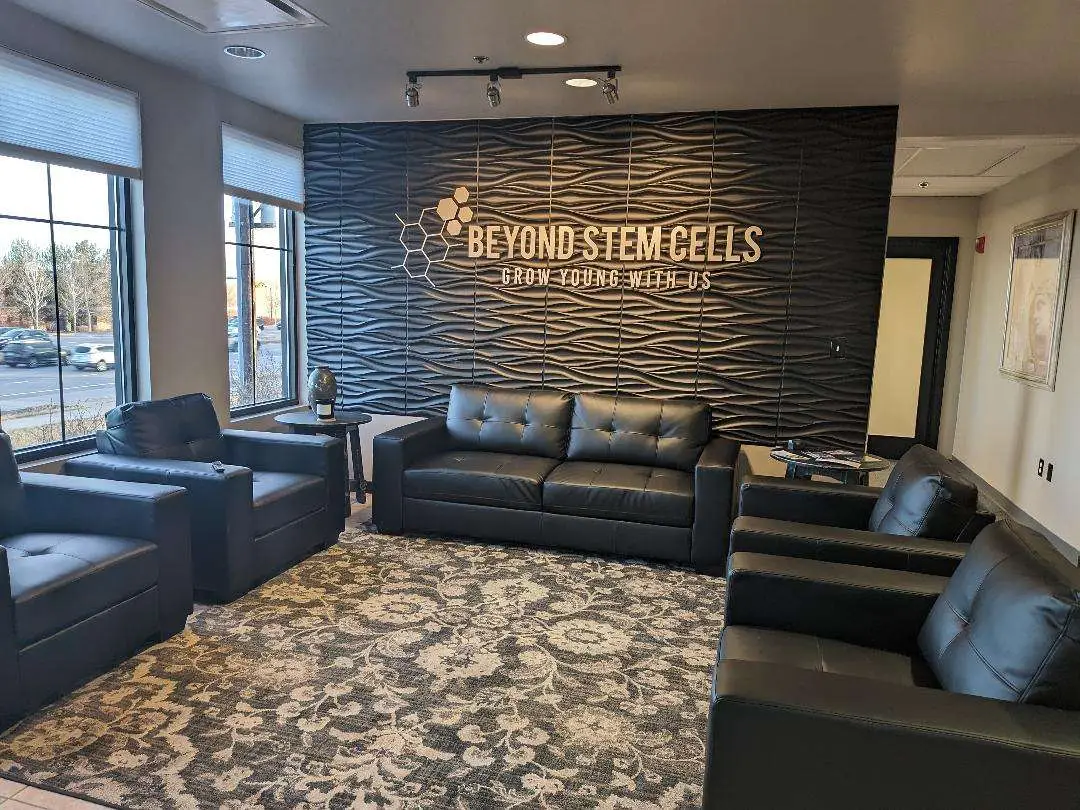
Gallery
Inside regenerative care
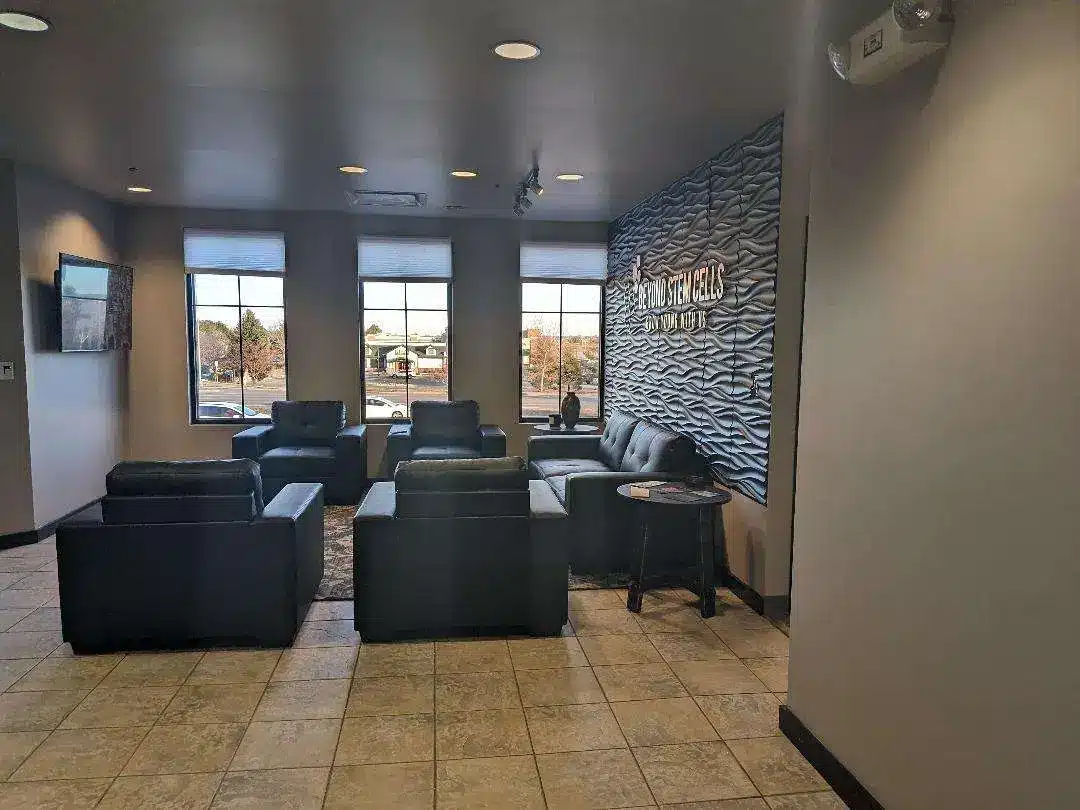
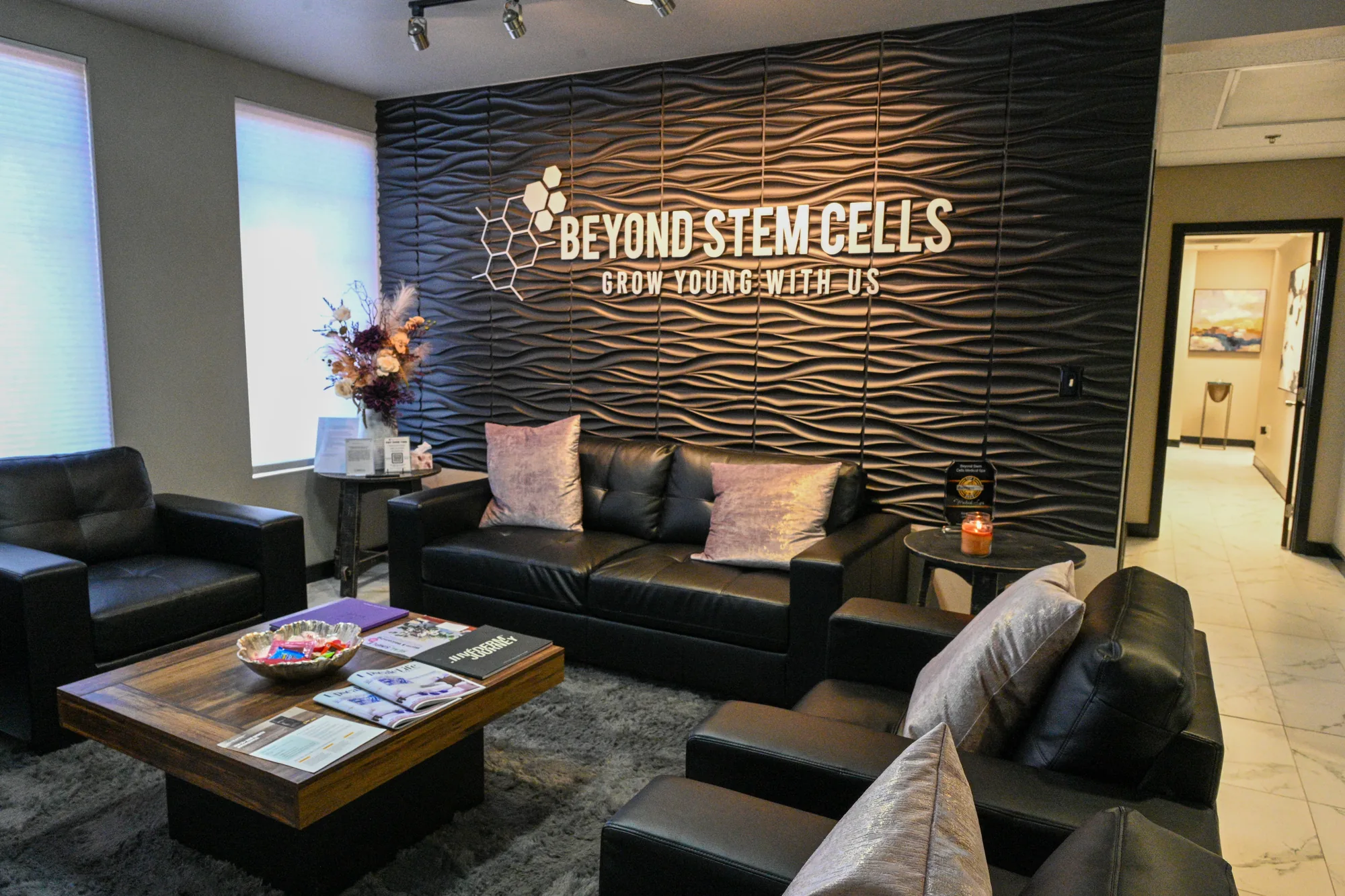
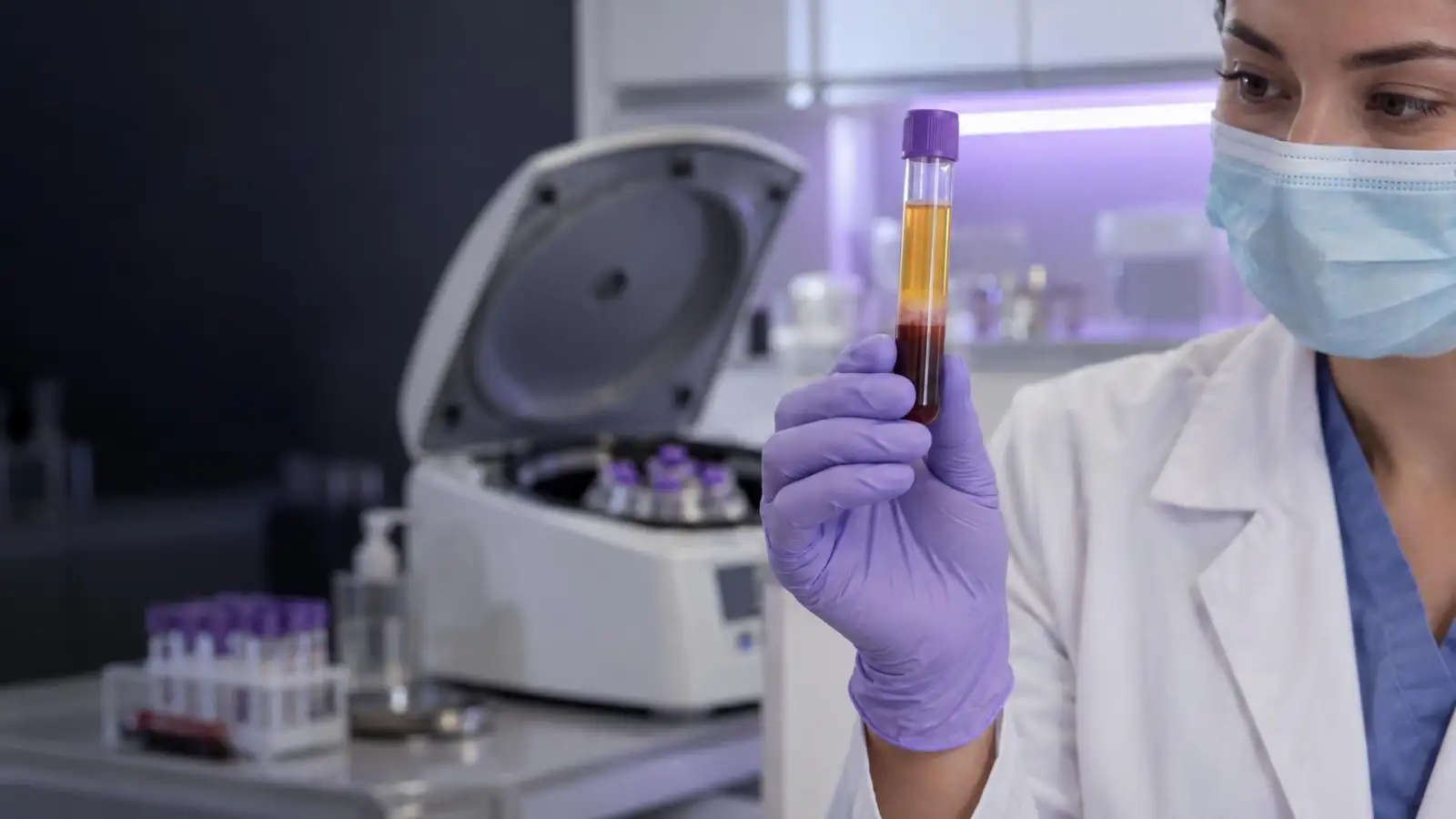
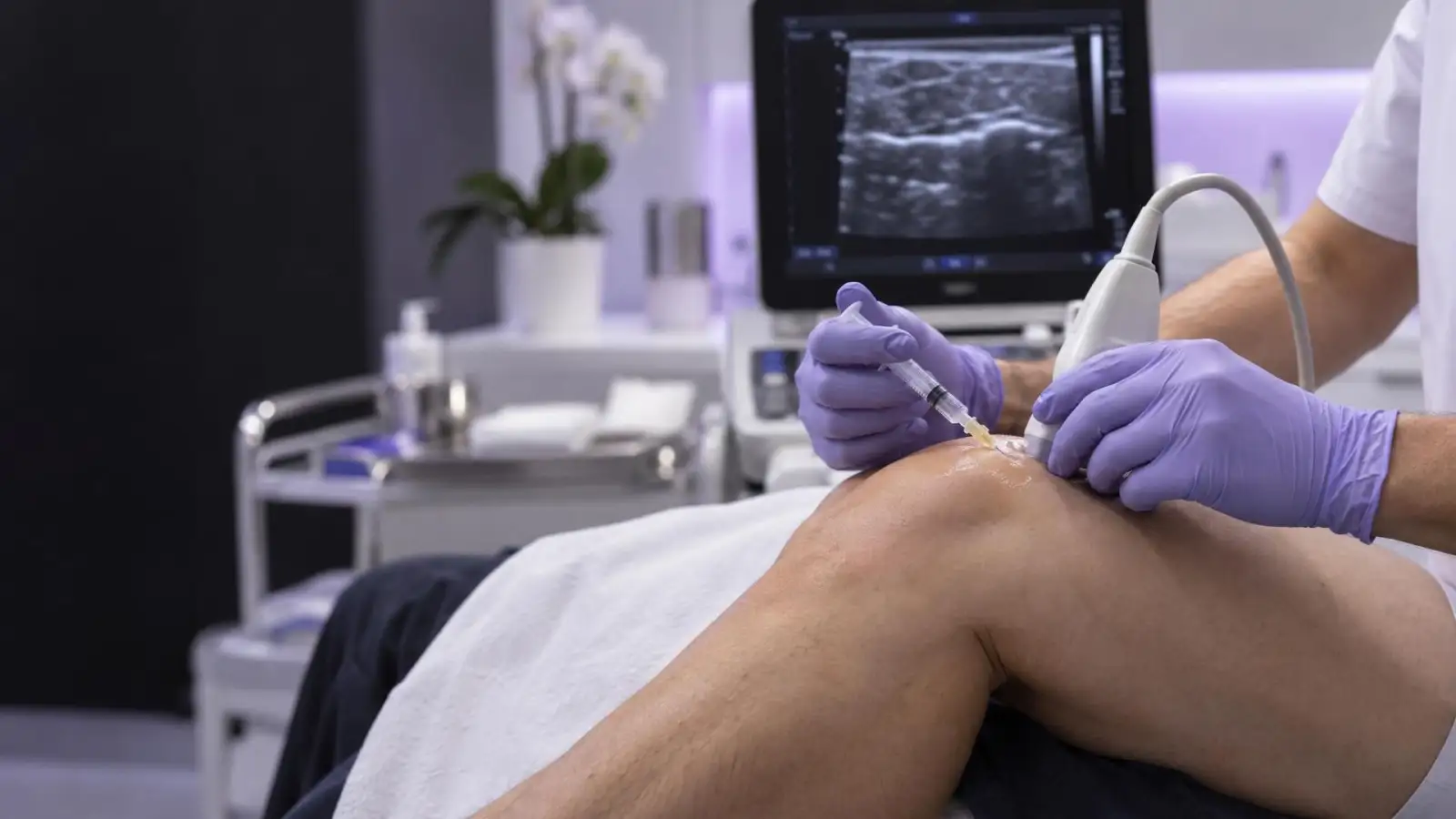

Is shockwave therapy in Littleton appropriate for my foot or tendon pain?
Shockwave therapy in Littleton may be appropriate for a selected tendon or plantar fascia problem, but pain location alone does not establish candidacy. The clinic lists shockwave therapy as a service and describes heel and tendon concerns among its applications. Your next step is to clarify the diagnosis, what treatment you have already tried, and what outcome you want to improve.
Does shockwave therapy work for foot pain?
Foot pain has different possible causes, so the useful question is whether shockwave therapy fits your diagnosed condition. Mayo Clinic lists shockwave therapy among plantar fasciitis treatment options and discusses simpler nonsurgical care such as stretching and physical therapy. That supports an individualized comparison; it does not establish that all heel pain needs a device treatment or that the clinic’s particular protocol will produce the same result.
If you have already received a diagnosis, bring the notes and describe how consistently you followed the recommended care. A few days of stretching is a different history from a structured rehabilitation plan that has not helped enough. The consultation should identify what remains worth trying and whether additional evaluation would change the recommendation.
What about elbow or other tendon discomfort?
Mayo Clinic’s sports-medicine overview describes shockwave as an option for some people with chronic tendinopathy or symptoms that have not responded to prior care. A tendon problem is not interchangeable with arthritis inside a joint. Ask which tissue is thought to be responsible before interpreting a recommendation as treatment for the entire knee, shoulder, or elbow.
- Where is the discomfort, and what movements reproduce it?
- What diagnosis has been made, and by whom?
- How long have symptoms limited daily life?
- What rehabilitation, medication, or procedures have you tried?
- What specific activity would count as a meaningful improvement?
A practical goal might be completing an ordinary walk or using your hand at work with less difficulty. These examples help frame a discussion; they are not promised outcomes. Ask whether the proposed plan includes advice about activity and rehabilitation, and who would coordinate that care. A device appointment should not leave you guessing about what to do between visits.
The right shockwave question is whether it fits the diagnosed tissue problem and the care you have already tried.
Editorial framing based on Mayo Clinic guidance for selected tendon and plantar fascia conditions.
Beyond Stem Cells does not treat spine conditions. If your concern is outside the clinic’s scope, ask which type of evaluation is appropriate. For a foot or tendon concern, use the free consultation to determine whether shockwave deserves consideration, further assessment is needed, or another treatment is the better next step.
A clear answer starts with an assessment.
Bring your questions. A consultation helps you understand which options fit your history and goals.
How does shockwave therapy differ by device and treatment goal?
Shockwave therapy differs by the type of acoustic device and the condition being addressed, so one treatment label should not stand in for an equipment-specific plan. The clinic’s exact manufacturer, model, waveform, and protocol need confirmation. Ask for those details before assuming a study, a device approval, or another clinic’s results apply to the proposed treatment.
Are focused shockwaves and radial pressure waves the same?
Mayo Clinic distinguishes focused shockwaves from radial pressure waves. Focused equipment can concentrate energy at a selected depth, while radial pressure waves have their greatest energy near the applicator and spread through tissue differently. Both terms have historically appeared under the ESWT label, but they do not describe identical physical outputs.
For a patient, the point is not to select settings yourself. It is to ask whether the proposed equipment, target tissue, and clinical rationale match. A provider should be able to explain what will be treated and why that approach is being considered. Claims about increased circulation or cellular activity are descriptions of possible mechanisms; they do not demonstrate a guaranteed functional benefit for an individual.
- Device: Is this focused shockwave or radial pressure wave equipment?
- Target: Which tissue and diagnosed condition are being addressed?
- Evidence: What information supports that device and use?
- Regulatory status: What exact device documentation applies?
- Outcome: How will meaningful benefit be distinguished from a short-lived sensation change?
Does less pain mean the tissue has regenerated?
Reduced discomfort can matter a great deal, but it does not by itself prove cartilage regrowth, tendon repair, or reversal of arthritis. The goal of a proposed plan should be described in terms that can be assessed. Ask how pain and function would be followed and what would prompt reassessment. This page does not provide a clinic success rate or promise that surgery can be avoided.
Is shockwave for erectile dysfunction the same decision?
Beyond Stem Cells also publishes information about shockwave therapy for erectile dysfunction. That is a separate clinical discussion. Results from tendon or heel treatment cannot establish effectiveness for erectile dysfunction, and this page does not claim that the clinic’s ED protocol is FDA-approved or that it cures ED.
The NIH’s NIDDK explains that erectile dysfunction evaluation includes medical and sexual history and a physical examination, with testing considered as needed. If sexual function is your concern, ask about causes, established options, and the uncertainties of the proposed treatment rather than choosing an orthopedic protocol from a general service page.
Keep your comparison anchored to the actual problem. A clinic offering several uses under one service name still needs to explain which evidence, equipment, risks, and expectations apply to your visit.
What should I know about shockwave discomfort, safety, appointments, and cost?
Shockwave discomfort, safety precautions, appointments, and costs should be discussed before treatment because the plan depends on the diagnosis and actual equipment. Noninvasive treatment still involves a clinical procedure. Knowing how the visit would work and what the plan requires afterward helps you compare it fairly with rehabilitation and other options.
What might a treatment visit involve?
Mayo Clinic describes locating the treatment area, applying gel, and using a handheld applicator during shockwave treatment. Patients can feel the pulses, and intensity may be adjusted within the prescribed approach. The clinic must confirm its own preparation, appointment length, treatment parameters, and who administers the procedure. Do not assume another provider’s schedule is the schedule offered here.
Ask what sensations are expected and how to communicate if the treatment becomes difficult to tolerate. Mayo Clinic’s safety overview notes possible discomfort, redness, swelling, and other adverse events, along with situations where treatment may be inappropriate. A discussion of potential benefit should include those limitations rather than describe the procedure as risk-free.
What history could change the plan?
Disclose pregnancy, bleeding or clotting problems, blood-thinning medication, a local infection or tumor, recent injections, and any known tendon tear. These details require individual review with the device guidance; they are not a checklist you should use to clear yourself for treatment. Do not stop a prescribed medication because of general instructions on a website. Ask the clinician who prescribed it how any change should be handled.
- Confirm the provider performing the treatment and overseeing the plan.
- Ask what health findings could make treatment inappropriate.
- Request guidance for work, walking, exercise, and rehabilitation afterward.
- Know which reactions require contacting the clinic and how to do so.
- Agree on a reassessment point before purchasing more visits.
A short office appointment does not establish that you can immediately resume unrestricted training. Ask what activity advice is appropriate for your condition and what to do if symptoms worsen. Also ask when a meaningful change in function should be assessed. Your plan should allow an honest review of insufficient benefit rather than an automatic extension of treatment.
How much does shockwave therapy cost?
The consultation is free; treatment costs are individualized. Ask the clinic for the current per-session or package price. Ask for the planned visits, included assessment, follow-up charges, and payment terms in writing. Medicare or other insurance coverage is not confirmed; check the proposed service with the clinic and your plan before assuming reimbursement.
Review payment information and request a consultation, or call 833-720-7836. Beyond Stem Cells is at 5912 S Cody St, Suite 201, Littleton, CO 80123, Monday–Saturday, 9 am–5 pm. This page provides general education, not a diagnosis or an individualized treatment recommendation.
Physician-guided regenerative medicine
in Littleton, Colorado
- 4.9★Google rating
- 170Google reviews
- 6 daysOpen Monday–Saturday
- 48Hours open each week

Which path should I discuss for persistent pain?
| Path | When the discussion may fit | What to clarify |
|---|---|---|
| Diagnosis and conventional care review | The cause is unclear or prior care was incomplete | Which tissue is responsible and what evaluation is needed |
| Physical therapy or rehabilitation | An activity-related problem needs a tailored movement or loading plan | Goals, progression, and how progress will be assessed |
| Focused shockwave or radial pressure wave discussion | A selected diagnosed tendon or plantar fascia problem warrants consideration | Exact device, evidence, risks, and relationship to rehabilitation |
| Different specialist evaluation | Symptoms or findings are outside this clinic’s scope | The appropriate clinician and next diagnostic step |
| ED-specific evaluation | Sexual function is the concern rather than orthopedic pain | Causes, established options, and separate evidence; orthopedic results do not establish ED benefit |
What should you discuss at your consultation?
- You have a diagnosed or assessable tendon or plantar fascia concern that affects daily activity.
- You can describe prior care and are willing to discuss established alternatives.
- You can disclose medication use, pregnancy, bleeding/clotting history, local infection, tumors, and recent injections.
- You want a measurable pain or function goal and understand that response is uncertain.
- You can follow individualized activity and rehabilitation guidance rather than assume immediate unrestricted exercise.
- Your concern is within the clinic’s scope; Beyond Stem Cells does not treat spine conditions.
Candidacy is determined through an individual clinical evaluation. An option described on this page may not be appropriate for your condition.
What happens next?
-
Explain the problem
Bring the diagnosis, symptom history, and details of prior treatment.
-
Review fit and safety
Discuss the responsible tissue, actual device, alternatives, and medical-history considerations.
-
Understand the proposed course
Confirm who treats you, preparation, activity guidance, planned visits, and the written price.
-
Reassess pain and function
Review meaningful progress, side effects, and whether continuing or changing care is appropriate.
What does shockwave therapy cost?
Ask about benefits, limitations, and alternatives.
The right choice depends on a diagnosis, realistic expectations, and a plan you understand.
Who supervises care at Beyond Stem Cells?
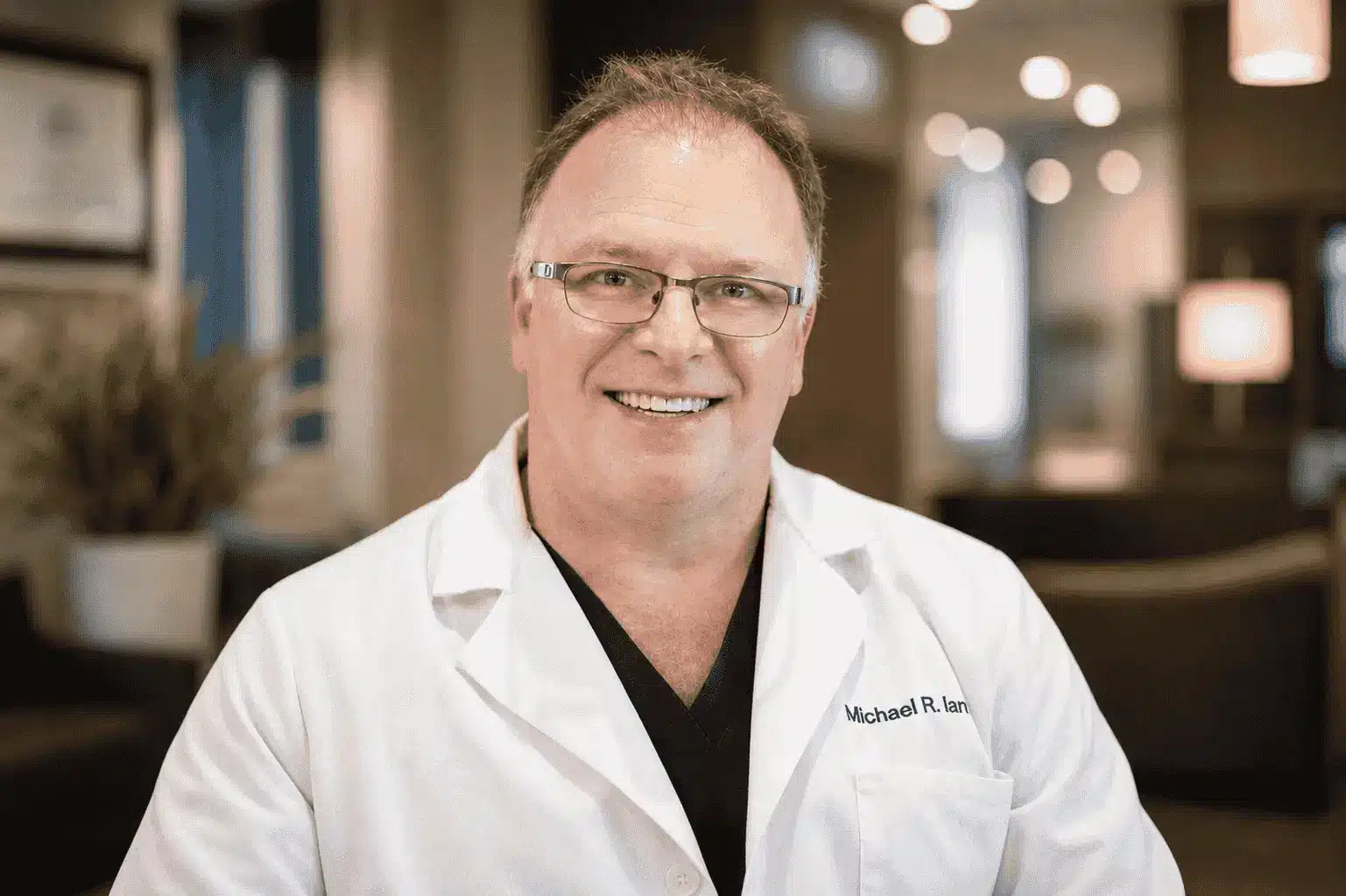
Dr. Michael Iannotti, MD
Dr. Michael Iannotti is the clinic’s supervising physician and is board certified in Family Medicine. The clinical team evaluates your health history, goals, and suitability before recommending a service.
A treatment decision starts with understanding the problem, the options, and the limits.
Frequently asked questions about shockwave therapy
Does shockwave therapy work for foot pain?
It may be considered for selected diagnosed plantar fascia or tendon problems. Foot pain has different causes, and a clinician should identify the cause and review prior care before recommending a device treatment. Pain relief is not guaranteed.
Can I buy a shockwave therapy device and treat myself?
This page does not recommend self-treatment. Device type, target tissue, settings, and contraindications require a clinical assessment and appropriate instructions. A consumer purchase is not equivalent to a clinician-selected treatment plan.
Does Medicare cover shockwave therapy at Beyond Stem Cells?
Medicare coverage for the proposed clinic service is not confirmed here. Ask the clinic for the exact service details and verify benefits with your plan before proceeding. Do not assume reimbursement or accept a treatment quote as proof of coverage.
Do professional athletes use shockwave therapy?
Shockwave is discussed in sports medicine for selected tendon problems, but an athlete’s use does not establish that it fits your diagnosis or guarantees a return to sport. Your decision should rest on evaluation, evidence, and the proposed plan.
How many shockwave treatments will I need?
The appropriate number and timing of visits depend on your condition and the actual device and protocol. No fixed clinic series is confirmed here. Ask for the proposed course, total cost, activity guidance, and reassessment criteria before purchasing visits.
Explore related services and information.
Shockwave Therapy in Littleton, serving the Denver metro.
Beyond Stem Cells is located at 5912 S Cody St, Suite 201, Littleton, CO 80123. Our clinic serves patients from Littleton and surrounding Denver-area communities.
Hours: Monday–Saturday, 9:00am–5:00pm.
Get a plan that fits your situation.
Call the Littleton clinic or request your free consultation. Bring your questions about suitability, cost, and what to expect.
Where can you learn more?
- Client capture: shockwave service and free consultation
- Mayo Clinic: focused shockwaves versus radial pressure waves
- Mayo Clinic Sports Medicine: tendinopathy and treatment visits
- Mayo Clinic: plantar fasciitis care options
- Mayo Clinic: adverse events and contraindication considerations
- NIH/NIDDK: erectile dysfunction evaluation
This page provides general educational information and is not individual medical advice. Treatments, risks, and suitability vary. Clinical and regulatory information should be discussed with a qualified clinician; no specific outcome is promised.
Medically reviewed by Dr. Michael Iannotti, MD · Updated