Red Light / IR Therapy in Littleton, Colorado
- Red light therapy suitability depends on a defined goal and the exact device used.
- Skin, hair, pain, and general wellness claims require separate evidence rather than one broad promise.
- A device studied for hair loss is not automatically appropriate for a different body area or condition.
- Medication-related light sensitivity and device-specific eye protection need review before treatment.
- Session length, number of visits, and prices must be confirmed for an individualized plan.
If you are comparing red light or infrared therapy, the first decision is what you want it to do for you. Separate a cosmetic skin goal, a diagnosed hair condition, and a pain concern before choosing a device or paying for a series.
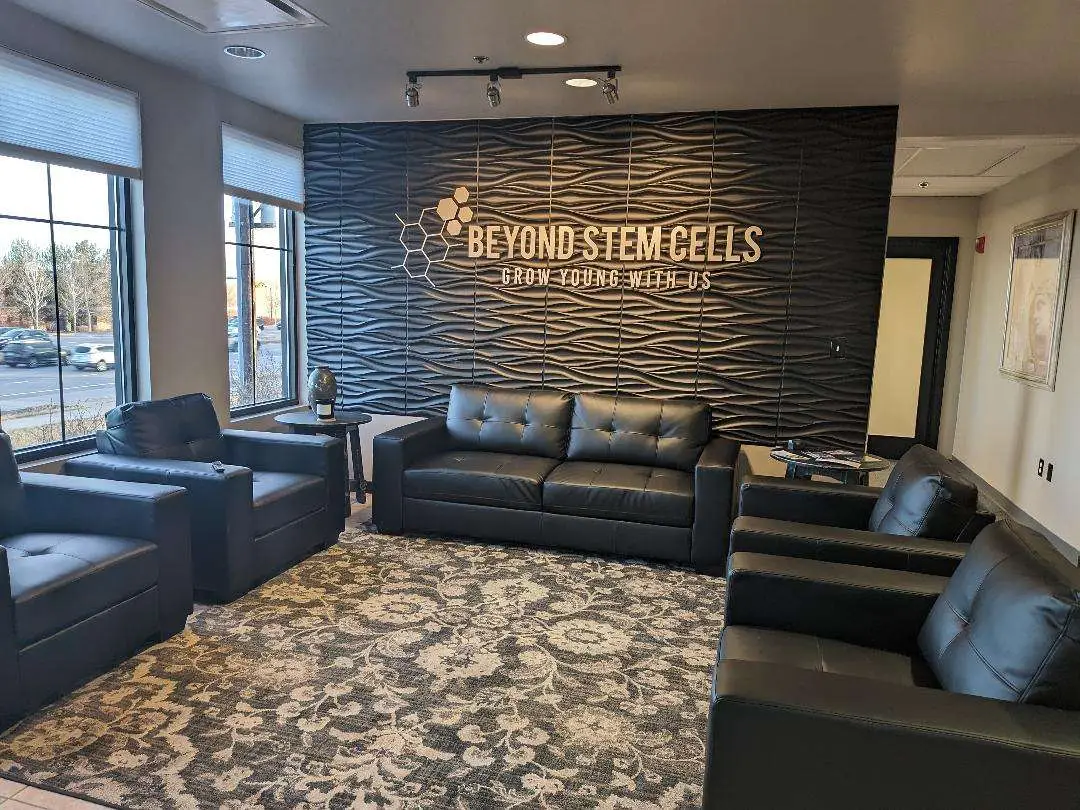
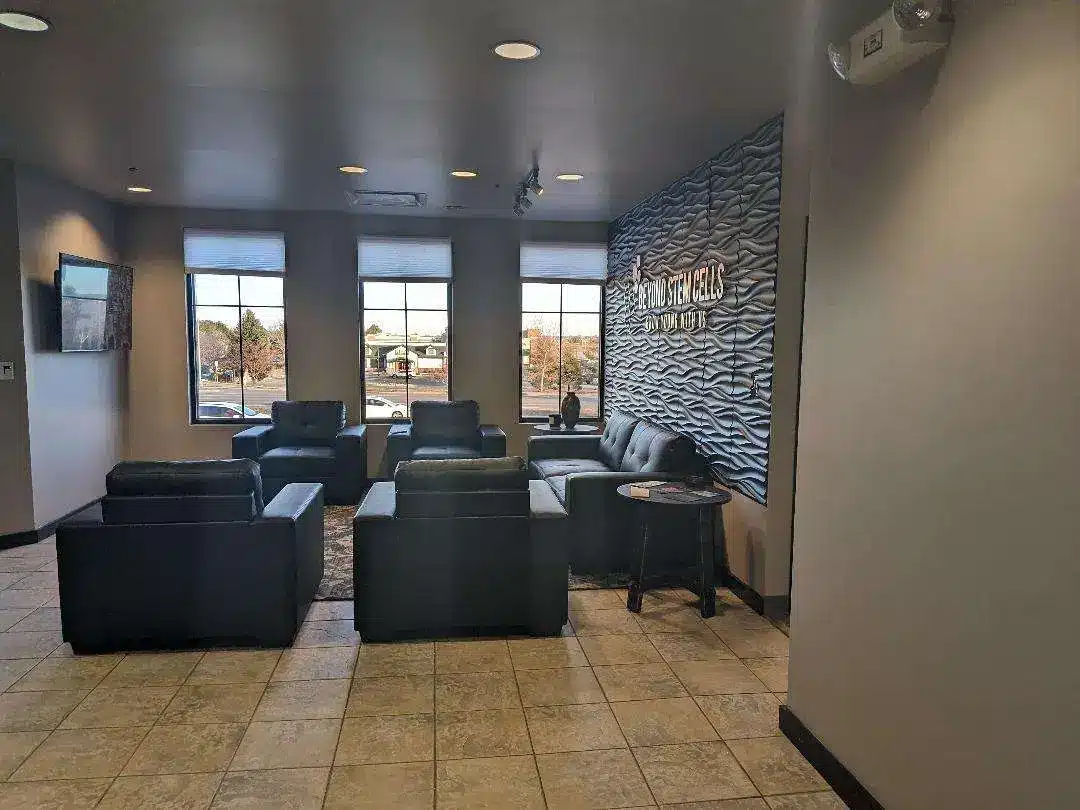
Gallery
Aesthetics at Beyond Stem Cells
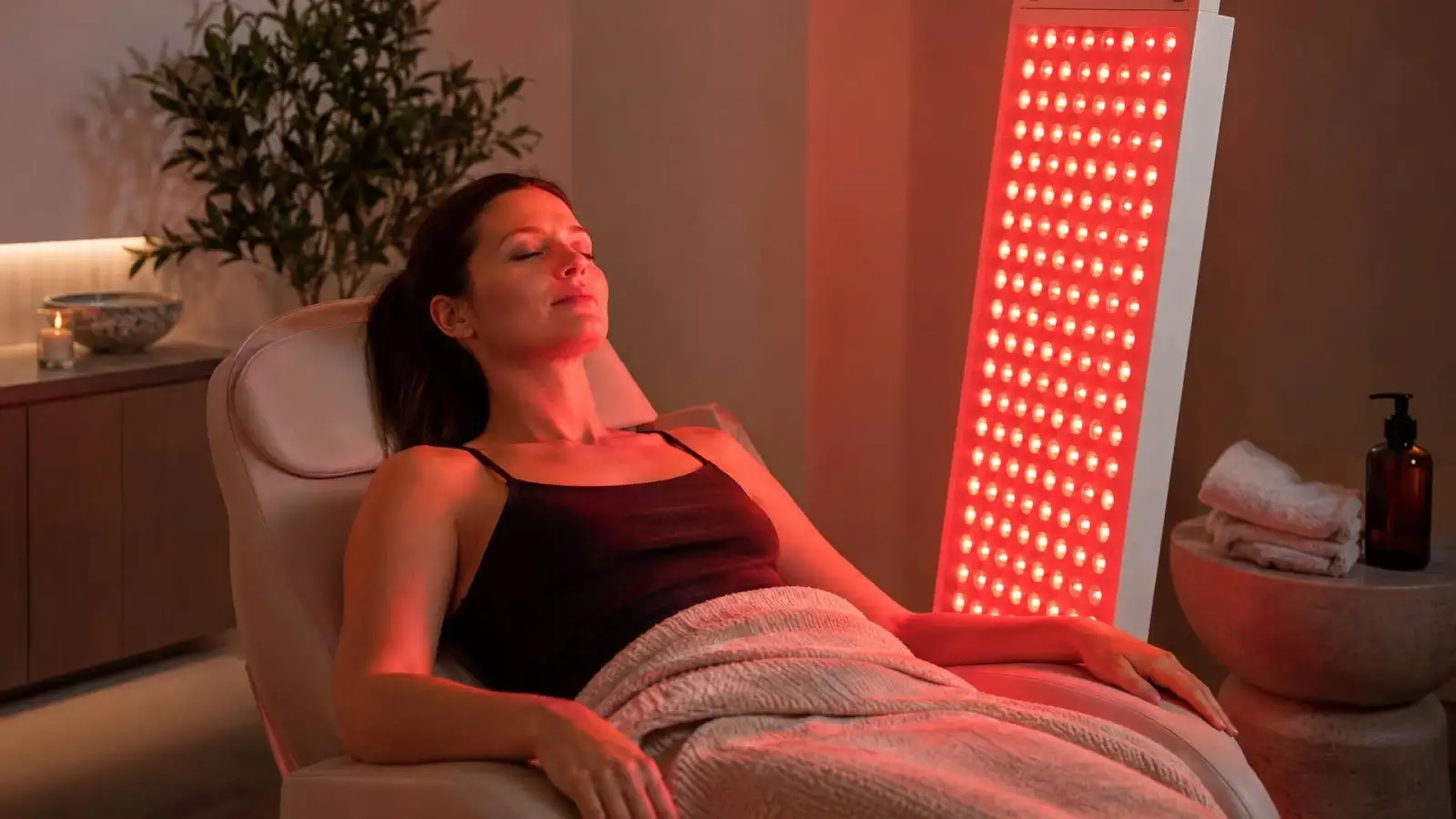
Is red light or infrared therapy in Littleton right for my concern?
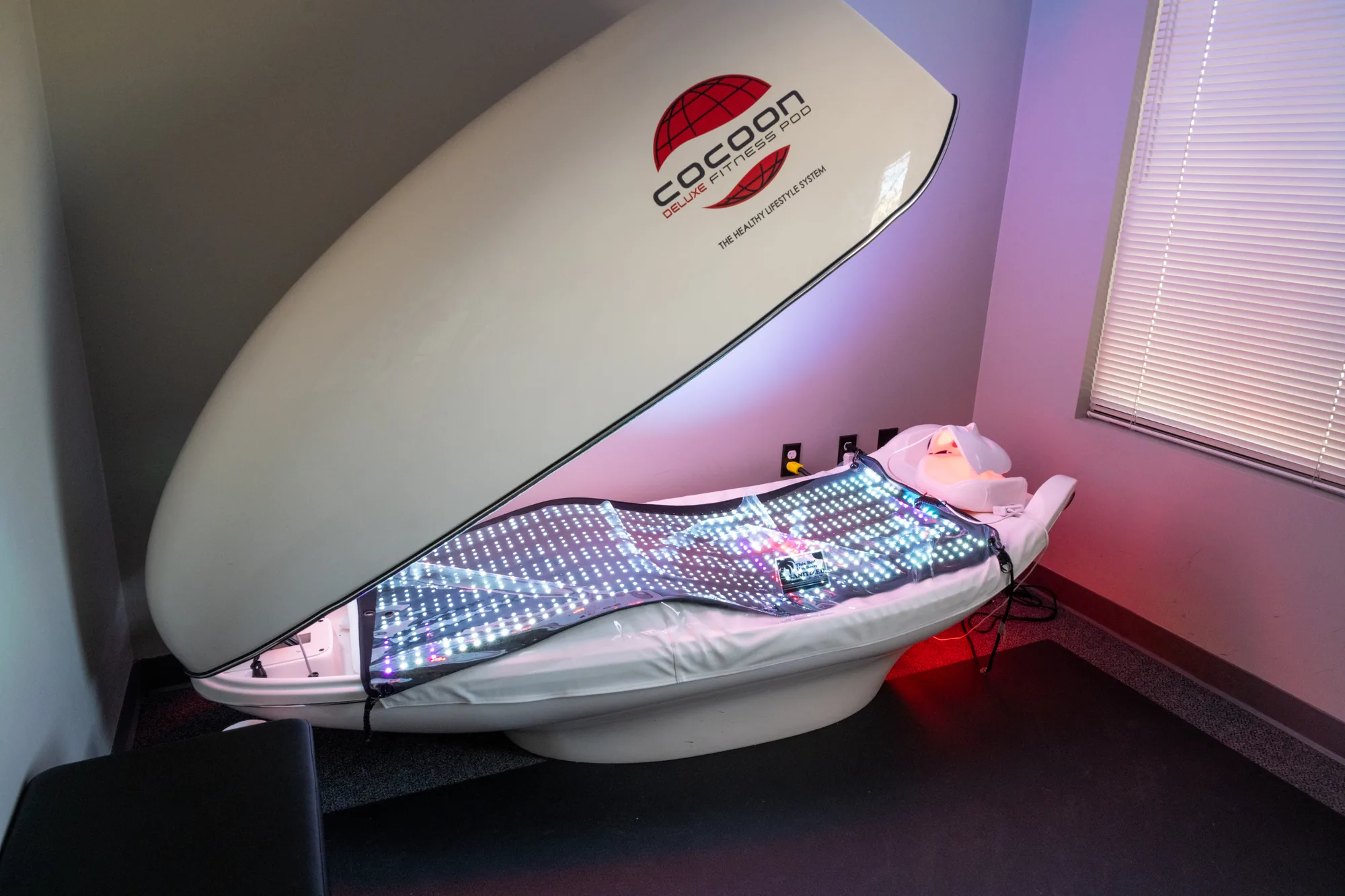
Red light or infrared therapy in Littleton may fit a selected concern, but a useful recommendation must connect your goal with the actual device and supporting evidence. The clinic lists Red Light/IR Therapy as a service. That name alone does not specify the equipment, wavelengths, treatment area, or clinical protocol. Begin with the result you want and ask how the proposed treatment relates to it.
Are you comparing skin, hair, or pain treatment?
For a cosmetic skin goal, describe the feature that bothers you: visible fine lines, uneven appearance, or texture. The Mayo Clinic’s light-therapy overview discusses dermatologic uses, including acne and photoaging. That is general education about selected light treatments; it does not establish that the clinic’s equipment or protocol is suited to every skin concern.
For hair thinning, ask for a diagnosis before treating the scalp. The American Academy of Dermatology’s hair-loss guidance discusses low-level light therapy as one possible option, often requiring repeated use over months. This does not mean a general red-light panel is equivalent to a device designed and studied for hair loss. Sudden shedding and gradual pattern thinning also deserve different conversations.
For discomfort, identify the painful location, previous diagnosis, and the activity you struggle with. A temporary change in how a body area feels would not prove that damaged cartilage or a tendon has regenerated. Ask which outcome is realistic to assess and whether established care should remain the main treatment. A skin or hair study cannot answer a joint-pain question.
What would make the recommendation specific enough?
- The concern: A named condition or clearly described cosmetic goal.
- The equipment: Manufacturer, model, intended use, and relevant specifications.
- The evidence: Information relevant to your concern and the proposed treatment.
- The plan: Exposure, visit schedule, safety measures, and review point.
- The outcome: A change that matters to you and can reasonably be tracked.
For example, a skin plan might use photographs taken in comparable lighting to assess appearance. A pain evaluation might follow a daily activity you have difficulty completing. These are discussion examples, not a claim that Beyond Stem Cells follows a particular measurement protocol. Ask what the actual plan would include for you.
Light therapy is a device-and-goal decision: evidence for one use does not establish benefit for every concern.
Editorial framing based on AAD guidance about selecting devices for their intended use.
Review the clinic’s hair restoration information or facial microneedling information if those services relate to your main goal. Comparing choices can help you ask a better question; it does not mean combining them is necessary or appropriate.
A clear answer starts with an assessment.
Bring your questions. A consultation helps you understand which options fit your history and goals.
What can red light therapy evidence tell me about benefits and limitations?
Red light therapy evidence can help you judge a specific use, but it cannot establish the outcome of an unspecified clinic device or guarantee your response. When comparing services, look for a match between the study population, equipment, treatment area, and proposed plan. A promising headline leaves out those details. Understanding them helps you decide whether the recommendation addresses your actual concern.
How should I interpret skin and hair claims?
The American Academy of Dermatology notes encouraging findings for selected skin-aging and hereditary hair-loss applications, while emphasizing remaining uncertainties and differences between studies. Those findings support a condition-specific conversation. They do not justify a promise of a full head of hair, permanent skin rejuvenation, or predictable results from any device that emits red light.
Ask whether the proposed plan is intended to change appearance, supplement another treatment, or address a diagnosed condition. Those purposes carry different expectations. A service described as wellness may be chosen for personal reasons, but it should not be presented as proven treatment for disease without relevant support. Similarly, a relaxing experience is not evidence that an underlying problem has improved.
Does “IR” mean the same thing as every infrared treatment?
“IR” is an abbreviation for infrared. When clinics use this term, ask whether they mean near-infrared light, a heat-based treatment, or equipment that combines different outputs. These descriptions should not be treated as interchangeable when evaluating a recommendation. You need the manufacturer’s actual specifications and intended use before you can make a meaningful comparison with published information.
- Ask whether the device uses LEDs, lasers, or a different light source.
- Request the model and the treatment area it is designed to address.
- Ask whether any claim about regulatory status applies to that exact device and use.
- Separate an explanation of how light might affect tissue from evidence of a patient benefit.
- Ask what limitations or unanswered questions matter for your goal.
Device-specific regulatory documentation is also different from a blanket endorsement of the clinic’s service menu. If a device is described as cleared or approved, ask to see the exact documentation and indication. Do not interpret a manufacturer’s registration, a sales brochure, or another clinic’s device status as proof about the equipment proposed for your visit.
Which outcomes should not be promised?
This page does not establish red light or infrared therapy as a cure for arthritis, a way to regrow cartilage, a weight-loss treatment, or a treatment for depression or anxiety. It also does not promise faster sports recovery. These are separate medical questions; any proposed claim needs its own evidence and clinical review rather than extrapolation from cosmetic research.
Before deciding, ask the clinician to explain the strongest reason to consider the service, the main uncertainty, and the alternative that best fits your concern. A clear explanation should make the choice easier without making the evidence sound more certain than it is.
What are red light therapy downsides, visit requirements, and costs?
Red light therapy downsides and visit requirements depend on your health, the equipment, and the exposure plan; noninvasive does not mean suitable for everyone. A consultation should cover safety and practical commitment alongside the hoped-for outcome. Before paying for visits, understand what is proposed, why it is appropriate, and how progress or problems would be handled.
What should be reviewed before exposure?
Tell the clinician about medications, supplements, existing skin conditions, and any history of sensitivity to light. The AAD advises reviewing light-sensitive conditions and medications before use. It also describes possible skin irritation and temporary discomfort. If you have a concern about pigmentation or a history of unwanted skin reactions, raise it during the assessment rather than assume every exposure is benign.
Eye protection must follow the specific device instructions. Ask what protection is required for the equipment and treatment area; do not assume ordinary sunglasses are an adequate substitute. You should also know what sensations to report during exposure and whom to contact if irritation develops afterward. These instructions need to come from the treating team and the equipment guidance.
How many appointments would I need?
No standard session length or treatment series is confirmed here for Beyond Stem Cells. Ask for a proposed schedule that identifies the purpose of each visit, when the plan will be reviewed, and whether continuing visits may be needed. Do not choose a package simply because another clinic advertises a certain number of sessions. A different device or goal may require a different discussion.
- What area would be treated, and how would it be positioned?
- How long would the appointment and actual exposure take?
- What preparation and eye protection are required?
- What should I report during or after the visit?
- When would we reassess whether the plan is worthwhile?
If you are comparing clinic visits with a home device, include convenience, intended use, and instructions in the decision. Owning a device does not replace diagnosis or mean you should reproduce an office exposure setting. Ask whether home use is appropriate for your concern and how it would relate to any existing care. Avoid treating “more light” or “more sessions” as an automatic path to better results.
What does red light therapy cost in Littleton?
The consultation is free, and treatment pricing is individualized. A current session price or package rate is not established here. Request a written quote identifying the treatment area, planned visits, included assessment, and any additional charges. Review payment information and confirm terms before purchasing a series.
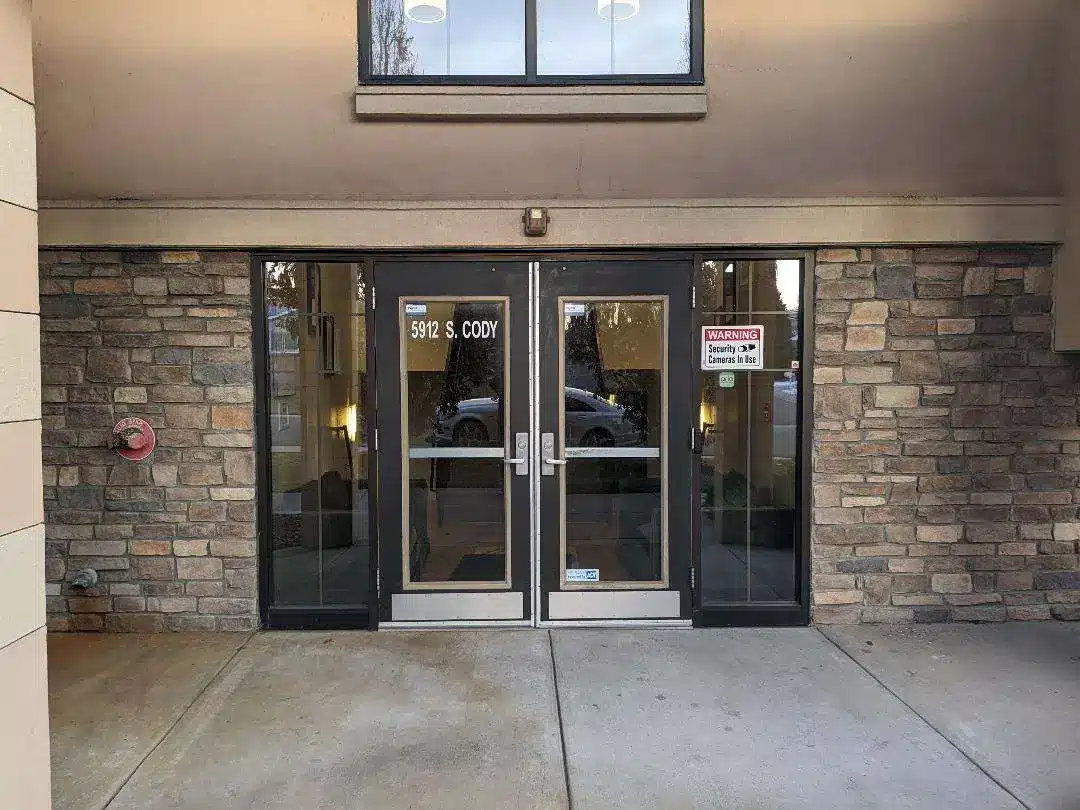
Call 833-720-7836 or use the contact page to discuss your goal. Beyond Stem Cells is at 5912 S Cody St, Suite 201, Littleton, CO 80123, Monday–Saturday, 9 am–5 pm. This is general patient education; device selection and personal medical suitability require an individualized assessment.
Physician-guided aesthetics
in Littleton, Colorado
- 4.9★Google rating
- 170Google reviews
- 6 daysOpen Monday–Saturday
- 48Hours open each week
How should I compare light therapy with other next steps?
| Your main concern | Useful next question | Limit to keep in mind |
|---|---|---|
| Cosmetic skin appearance | Does the actual device and plan match my skin goal? | Skin research does not support broad disease-treatment claims |
| Hair thinning | What diagnosis explains the thinning, and is this a hair-specific device? | A general light service is not equivalent to every studied scalp device |
| Persistent pain | What diagnosis is being treated, and how will function be assessed? | Comfort changes do not establish tissue repair |
| General wellness | What experience or measurable goal am I paying for? | Wellness language is not evidence of disease treatment |
| Home device versus clinic visits | Which intended use, instructions, and follow-up match my needs? | Different devices and exposure plans cannot be assumed equivalent |
What should you discuss at your consultation?
- You have a specific skin, hair, or other concern that can be evaluated before device selection.
- You want a realistic explanation of the evidence and alternatives for that concern.
- You can disclose medications, supplements, and any light-sensitive condition or prior skin reaction.
- You are willing to follow equipment-specific eye protection and exposure instructions.
- You understand that the consultation may recommend a different evaluation or treatment rather than light therapy.
Candidacy is determined through an individual clinical evaluation. An option described on this page may not be appropriate for your condition.
What happens next?
-
Identify the concern
Choose one main goal and describe previous evaluation or treatment.
-
Review the device and evidence
Ask which exact equipment and intended use relate to your goal.
-
Discuss safety and commitment
Review medication sensitivity, eye protection, the proposed visits, and the written cost.
-
Set a review point
Agree on how benefit, irritation, or lack of progress would affect further visits.
What does red light / ir therapy cost?
Ask about benefits, limitations, and alternatives.
The right choice depends on a diagnosis, realistic expectations, and a plan you understand.
Who supervises care at Beyond Stem Cells?
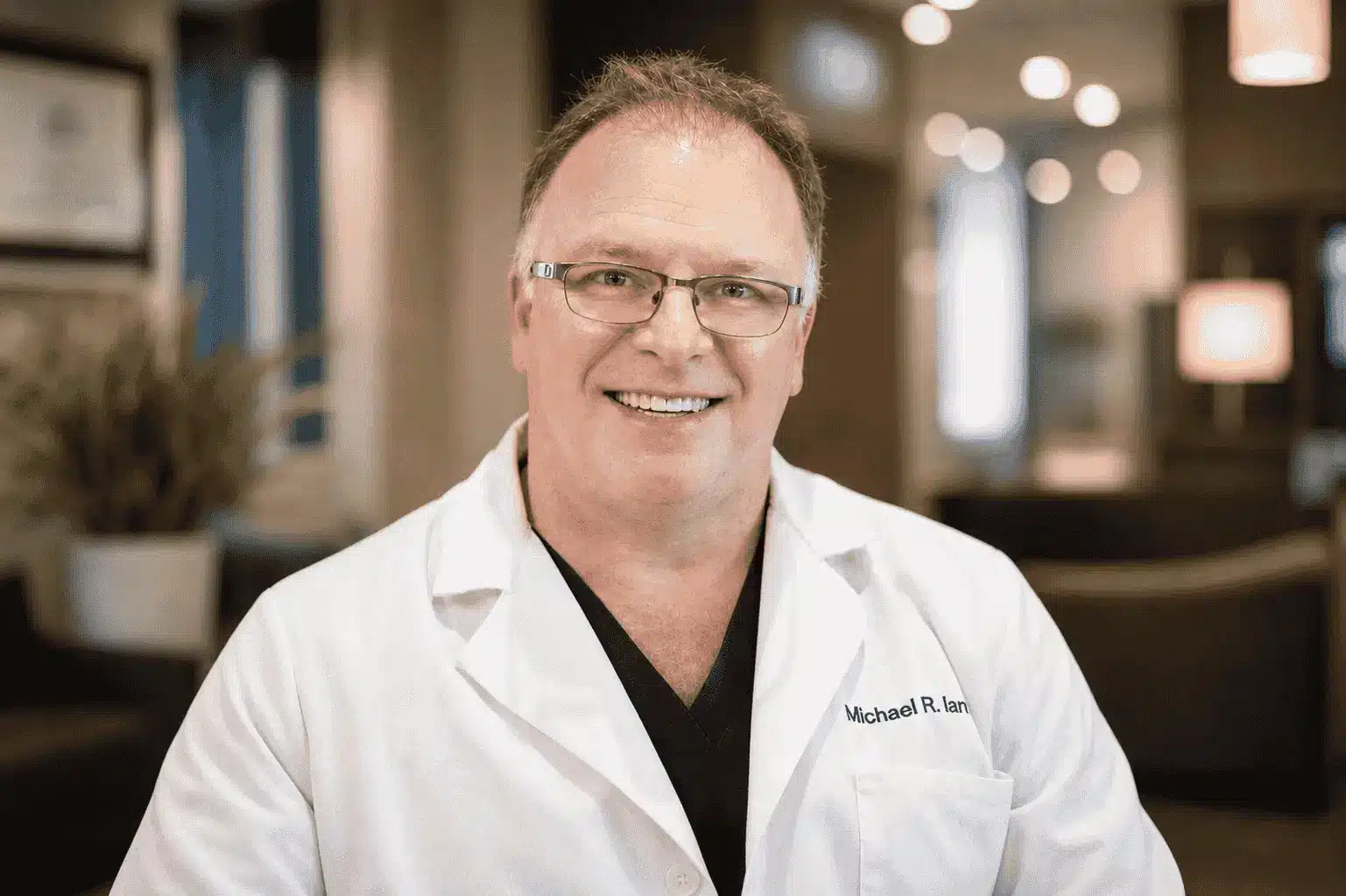
Dr. Michael Iannotti, MD
Dr. Michael Iannotti is the clinic’s supervising physician and is board certified in Family Medicine. The clinical team evaluates your health history, goals, and suitability before recommending a service.
A treatment decision starts with understanding the problem, the options, and the limits.
Frequently asked questions about red light / ir therapy
How much should a red light therapy session cost?
There is no verified current Beyond Stem Cells session price here. The quote should identify the equipment, treatment area, planned visits, and any additional fees. The consultation is free; treatment pricing is individualized.
What is the downside of red light therapy?
Possible downsides include irritation or discomfort, sensitivity related to a condition or medication, and spending time and money without the hoped-for result. Review your history, device instructions, eye protection, and realistic expectations with the clinician.
Can red light therapy regrow gums?
This page does not establish gum regrowth or offer a dental treatment. Gum recession or oral symptoms should be assessed by a dentist or periodontist; skin or hair evidence cannot establish an outcome for gums.
Is buying a home red light unit equivalent to clinic treatment?
No equivalence can be assumed. Device design, intended use, exposure instructions, and your diagnosis matter. Discuss whether a home device fits your concern before purchasing one; no home-unit price or clinic-device specification is established here.
How long does a red light or infrared appointment take?
The appointment length, actual exposure time, and visit schedule depend on the device and proposed plan. Beyond Stem Cells needs to confirm those details for your concern; this page does not promise a standard session duration or number of visits.
Explore related services and information.
Red Light / IR Therapy in Littleton, serving the Denver metro.
Beyond Stem Cells is located at 5912 S Cody St, Suite 201, Littleton, CO 80123. Our clinic serves patients from Littleton and surrounding Denver-area communities.
Hours: Monday–Saturday, 9:00am–5:00pm.
Get a plan that fits your situation.
Call the Littleton clinic or request your free consultation. Bring your questions about suitability, cost, and what to expect.
Where can you learn more?
- Client capture: Red Light/IR Therapy service listing
- AAD: red light uses, limitations, and precautions
- AAD: diagnosis and treatment of hair loss
- Mayo Clinic: light therapy for skin
This page provides general educational information and is not individual medical advice. Treatments, risks, and suitability vary. Clinical and regulatory information should be discussed with a qualified clinician; no specific outcome is promised.
Medically reviewed by Dr. Michael Iannotti, MD · Updated