
GROW YOUNG WITH US
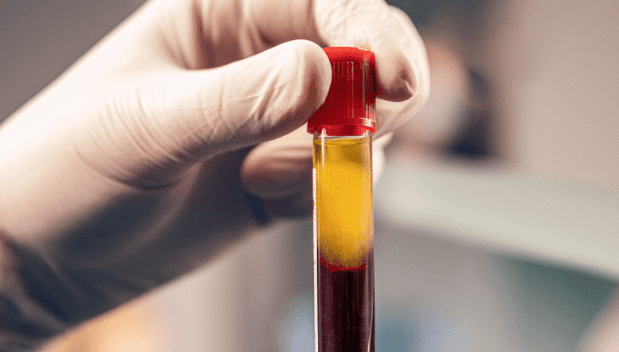
The P-Shot (Priapus Shot) is a procedure in which platelet-rich plasma (PRP) derived from a patient’s blood is injected into the penis to potentially improve erectile function, increase sensitivity, and promote tissue health. The process involves taking a blood sample, spinning it in a centrifuge to concentrate the platelets and growth factors, and then injecting this PRP directly into specific areas of the penis.
The underlying theory is that platelet growth factors stimulate tissue repair and new blood vessel formation, which could improve erectile quality by enhancing blood flow and encouraging the repair of nerve and vascular tissues vital for erections. The procedure is generally quick (often under an hour), requires no special preparation, and most men can leave the clinic soon after completion.
Current research shows that PRP intracavernosal injections are considered experimentally safe, with few adverse events (such as mild pain or bruising at the injection site) reported in studies. Some small studies and clinical trials suggest modest improvements in erectile function for certain men—especially those with arteriogenic (blood vessel-related) erectile dysfunction.
The science behind the P-Shot centers on using platelet-rich plasma (PRP), a substance derived from the patient’s blood rich in platelets and growth factors. When injected into the penis, these growth factors are believed to stimulate tissue repair, new blood vessel formation (angiogenesis), and nerve regeneration. The primary mechanisms proposed include:
The procedure is generally considered safe, with mild side effects, but the clinical evidence remains preliminary. Larger, high-quality, randomized trials are still needed to fully validate these mechanisms and clarify who benefits most from the P-Shot.
In summary, the P-Shot (PRP therapy for ED) works by delivering growth factors that drive blood vessel and nerve repair in penile tissue, which may improve erections by addressing underlying vascular and neurological factors.
Using the power of PRP, the P-Shot® helps improve erectile function, sensitivity, and confidence—all through a safe, non-surgical treatment. Schedule your private consultation today to see if it’s right for you.