

Rotator cuff tears are among the most common causes of shoulder pain and dysfunction, affecting individuals of all ages, particularly those who engage in repetitive overhead activities or are experiencing age-related wear and tear. The rotator cuff comprises four muscles and tendons that stabilize and enable shoulder movement.
When these tendons become torn or damaged, it can lead to significant pain, weakness, and limited mobility. Traditional treatments often involve physical therapy, medication, and, in severe cases, surgery. However, a promising new option gaining traction in recent years is Platelet-Rich Plasma (PRP) therapy.
This article will explore how PRP therapy works, its role in treating rotator cuff tears, and why it may be a viable alternative to more invasive treatments.
What is Platelet-Rich Plasma (PRP) Therapy?
Platelet-Rich Plasma (PRP) therapy is a regenerative medicine treatment that utilizes a concentrated form of your own blood to promote healing. Platelets, which are blood components in the body’s healing process, contain growth factors that aid tissue repair and regeneration.
The procedure begins with a small blood sample taken from the patient. The blood is then processed in a centrifuge, separating the platelets from other components, such as red blood cells and plasma. The resulting PRP is rich in growth factors that can accelerate the healing of injured tissues.
How PRP Helps in Healing Rotator Cuff Tears
PRP therapy is particularly beneficial in treating soft tissue injuries like rotator cuff tears because it stimulates the body’s natural healing response. When injected into the area of the tear, the growth factors in PRP can:
- Promote Tissue Regeneration: PRP encourages collagen production and new tissue cells, promoting faster torn tendons and ligaments healing in the rotator cuff. This can be especially important in partial rotator cuff tears, where surgery may not be necessary.
- Reduce Inflammation and Pain: Inflammation is a key contributor to pain and stiffness in rotator cuff tears. PRP has anti-inflammatory properties that can reduce swelling and discomfort in the affected shoulder. PRP therapy can provide patients with significant relief by addressing inflammation at the source.
- Improve Tendon Repair and Strength: The growth factors in PRP stimulate the repair of damaged tendons and help them heal more effectively. Over time, this can result in more substantial, functional tendons, reducing the risk of further injury.
- Minimize Scar Tissue Formation: Scar tissue can impair the function of the rotator cuff tendons as they heal. PRP helps to minimize scar tissue formation, ensuring a more complete recovery and better range of motion in the shoulder.

Benefits of PRP for Rotator Cuff Tears
PRP therapy offers a range of potential benefits for patients with rotator cuff tears, making it an attractive option for those seeking non-surgical treatments.
Some of the key advantages of PRP include the following:
- Minimally Invasive: Unlike surgery, PRP therapy involves a simple injection, which significantly reduces the risk of complications, lengthy recovery times, and the need for anesthesia.
- Faster Recovery: Since PRP is derived from your blood, the risk of allergic reactions or rejection is minimal. Many patients experience a quicker recovery time compared to traditional surgical options.
- Reduced Need for Pain Medications: PRP therapy can effectively reduce pain and inflammation, potentially decreasing the need for prescription painkillers and nonsteroidal anti-inflammatory drugs (NSAIDs).
- Cost-Effective: While the cost of PRP therapy can vary depending on the provider and location, it is often less expensive than surgery and offers fewer follow-up visits and rehab sessions.
- Natural Healing: PRP therapy harnesses your body’s natural healing powers, which may lead to more sustainable and long-term results than synthetic treatments.
Is PRP Right for You?
PRP therapy can be a viable option for patients dealing with rotator cuff tears, but it is essential to determine if it is the proper treatment for your specific condition. PRP is most commonly recommended for individuals with:
- Partial Rotator Cuff Tears: Patients with minor to moderate tears may benefit
- significantly from PRP therapy without surgery.
Tendinopathy or Chronic Tendon Injuries: PRP can be particularly effective in treating long-standing tendon injuries where conservative treatments have failed.
Active Individuals Seeking Non-Surgical Solutions: Athletes or individuals with an active lifestyle who wish to avoid surgery may benefit significantly from the regenerative properties of PRP.
However, PRP may not be suitable for everyone. For individuals with large or full-thickness tears that have caused significant tendon damage, surgery may still be the best option. A thorough consultation with a healthcare professional will help determine whether PRP therapy is appropriate for your unique situation.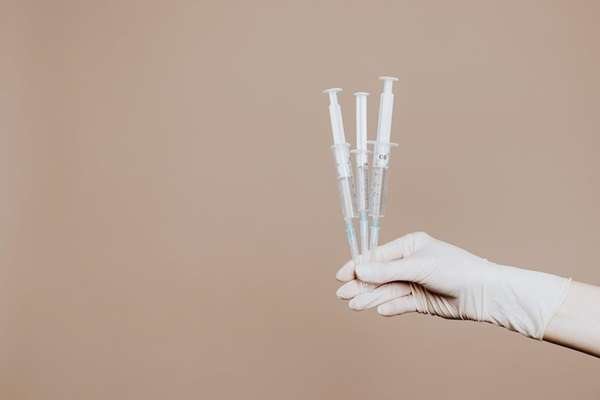
What to Expect During and After PRP Treatment
PRP therapy for rotator cuff tears is generally performed in an outpatient setting. The procedure is relatively quick, usually taking between 30 and 60 minutes.
Here’s a brief overview of what to expect:
Preparation: A small amount of blood is drawn from your arm, similar to a standard blood test.
Processing: The blood is processed in a centrifuge to concentrate the platelets and create the PRP solution.
Injection: The PRP is injected into the site of the rotator cuff tear using a guided imaging technique, such as ultrasound, to ensure precise placement.
Post-Treatment Care: After the injection, you may experience mild discomfort or swelling in the shoulder, which usually resolves within a few days. Rest and following post-treatment instructions are crucial for optimal healing.
Follow-Up: A series of PRP injections may be recommended, spaced weeks apart, to maximize the healing potential. Physical therapy or rehabilitation exercises may also be prescribed to strengthen the shoulder and improve mobility.
Final Thoughts
Platelet-Rich Plasma (PRP) therapy offers an innovative, non-surgical approach to treating rotator cuff tears. By harnessing the body’s natural healing processes, PRP can accelerate recovery, reduce pain, and promote tissue repair in the shoulder. For patients with partial rotator cuff tears or chronic tendon injuries, PRP presents a promising alternative to invasive surgeries, helping to restore function and improve quality of life.
If you’re struggling with a rotator cuff tear and seeking a less invasive option, PRP therapy could be the solution you’ve been looking for. Consult with your healthcare provider to determine whether PRP is right for you and take the first step toward a faster, more natural recovery.
References
Everts P, Onishi K, Jayaram P, Lana JF, Mautner K. Platelet-Rich Plasma: New Performance Understandings and Therapeutic Considerations in 2020. Int J Mol Sci. 2020 Oct 21;21(20):7794.
May T, Garmel GM. Rotator Cuff Injury. [Updated 2023 Jun 26]. In: StatPearls [Internet]. Treasure Island (FL): StatPearls Publishing; 2025 Jan-.
Sheean AJ, Anz AW, Bradley JP. Platelet-Rich Plasma: Fundamentals and Clinical Applications. Arthroscopy. 2021 Sep;37(9):2732-2734.