Are you trying to determine which hair restoration approach will give you the most natural, durable, and cost-effective results?

This image is property of pixabay.com.
What Is The Best Hair Restoration For Men?
Choosing the best hair restoration for you depends on medical factors, lifestyle, budget, and the results you want. This article compares the leading options, explains how they work, and helps you decide which approach — or combination of approaches — is most likely to meet your goals.
Understanding Male Hair Loss
You should start by understanding why hair is thinning or falling out so you can match treatment to cause. Male pattern hair loss (androgenetic alopecia) is the most common cause, but other reversible and non-reversible conditions may be involved.
Common Causes and Types
You need to recognize the primary patterns and causes because treatment choice depends on them. Androgenetic alopecia (male pattern) typically produces a receding hairline and crown thinning and is driven by genetic sensitivity to dihydrotestosterone (DHT). Other causes include telogen effluvium (stress or systemic insult), traction alopecia (mechanical damage), and autoimmune causes like alopecia areata. Identifying the cause helps you set realistic expectations and select effective therapies.
Assessment and Candidacy
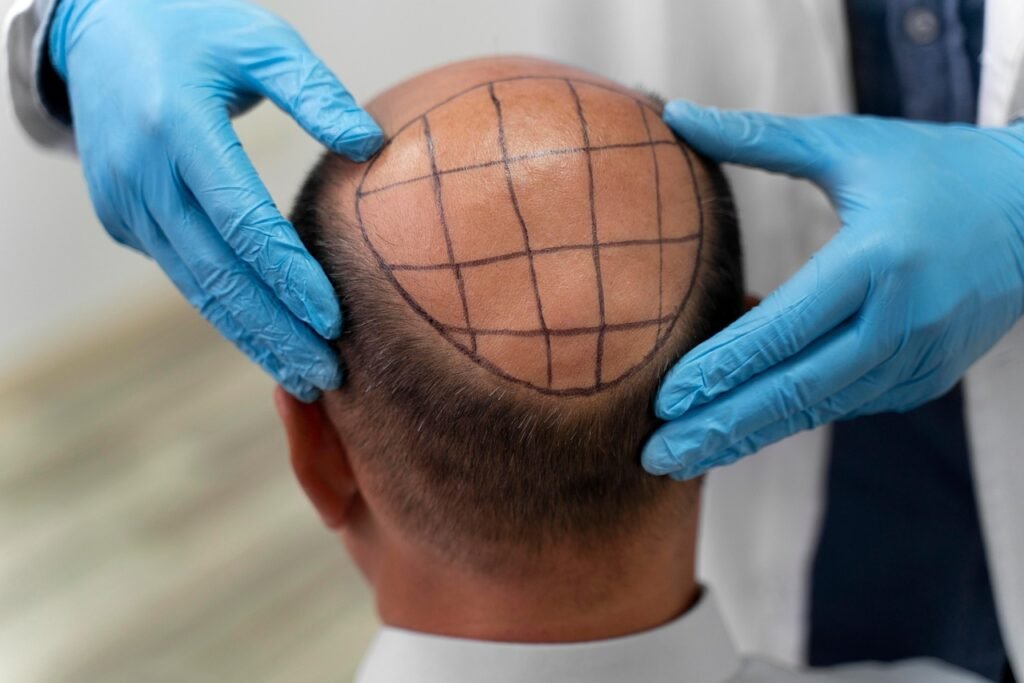
Before you commit to a treatment, you should undergo a thorough evaluation. A professional assessment includes scalp examination, hair-pull testing, possible blood tests for thyroid, iron, and hormones, and an evaluation of donor hair if you are considering surgical options. The Norwood scale is commonly used to grade male pattern hair loss and guide candidacy for transplantation.
Overview of Hair Restoration Options
You can choose from medical therapies, device-based therapies, biologic/regenerative procedures, surgical transplants, and cosmetic solutions. Each option has trade-offs in effectiveness, invasiveness, cost, recovery time, and maintenance requirements.
Medical Therapies: Finasteride and Minoxidil
Medical therapies are often your first-line options and can slow progression while improving density for many men. They are minimally invasive, typically affordable, and can be used long term.
- Finasteride: This oral 5-alpha-reductase inhibitor reduces DHT levels and is effective at slowing progression and regrowing hair in many men. You should expect to take it daily and to require ongoing use to maintain results. Side effects can include sexual dysfunction in a minority of men and potential mood changes; discuss risks with your provider.
- Minoxidil: This topical vasodilator stimulates hair growth and prolongs the anagen (growth) phase. You apply it twice daily in most formulations. Minoxidil is OTC, has a favorable safety profile, and works best in combination with finasteride for androgenetic alopecia. Temporary shedding can occur when you start treatment as hair cycles reset.
Low-Level Laser Therapy (LLLT)
LLLT devices use red or near-infrared light to stimulate cellular activity and improve hair density. You can use in-office units or home devices (combs, helmets).
- Evidence suggests LLLT can increase hair count and thickness for some men, particularly with early-stage hair thinning. Treatment schedules typically require repeated sessions several times per week.
- LLLT is non-invasive, painless, and has minimal side effects. Results may be modest and depend on consistent, long-term use.
Platelet-Rich Plasma (PRP)
PRP concentrates growth factors from your blood and is injected into the scalp to stimulate follicular activity.
- Mechanism and efficacy: PRP may promote hair growth by enhancing local growth factor signaling, improving blood supply, and reducing inflammation around follicles. Studies show variable results; many men experience improved thickness and hair count after multiple sessions.
- Protocol: Typical treatment involves 3 monthly sessions followed by maintenance sessions every 4–6 months. You should expect temporary scalp tenderness and bruising.
- Suitability: PRP is often paired with medical therapy or used as an adjunct to transplants to improve graft survival.
Stem Cell Growth Factor Therapy (e.g., Beyond Stem Cells)
Regenerative approaches aim to reactivate dormant follicles and create a healthier follicular environment. Beyond Stem Cells and similar clinics offer stem cell growth factor therapy, which uses concentrated growth factors derived from stem cell cultures to stimulate natural hair regrowth.
- How it works: Rather than transplanting follicles, the therapy delivers a high concentration of growth factors and signaling proteins to the scalp to encourage hair follicles to re-enter the growth phase. The approach targets underlying follicular health and regeneration.
- Benefits: According to providers like Beyond Stem Cells, this therapy is minimally invasive, causes little to no discomfort, requires minimal downtime, and is priced at roughly half the cost of traditional surgical transplants. They report visible improvement within six months for many patients. Current regenerative research supports growth-factor-based strategies as promising alternatives or complements to surgery and medication, though individual results vary.
- Considerations: You should verify credentials, protocol specifics, and peer-reviewed evidence from any provider. Discuss expectations, potential need for repeat treatments, and how the therapy fits with ongoing medication or laser therapy.
Surgical Hair Transplantation: FUE and FUT
If you require substantial and permanent restoration, surgical transplantation remains the gold standard for replacing lost hair with your own follicles.
- Follicular Unit Extraction (FUE): Individual follicular units are harvested one-by-one from the donor area and implanted into recipient sites. FUE leaves tiny dot scars that are less visible and allows shorter hairstyles.
- Follicular Unit Transplantation (FUT): A strip of scalp is removed, dissected into grafts, and transplanted. FUT can yield a large number of grafts in a single session but leaves a linear scar.
- Effectiveness and permanence: Transplanted hair is typically permanent because follicles are taken from DHT-resistant donor zones. Results are natural when performed by experienced surgeons, but success requires adequate donor supply.
- Downsides: Surgery involves longer recovery, potential scarring, higher costs, and the need for careful post-op care. You should plan for swelling, temporary shock loss, and a few days to weeks of healing.
Scalp Micropigmentation and Concealers
If you prefer a non-surgical cosmetic solution, scalp micropigmentation (SMP) and topical concealers can create the visual appearance of density.
- SMP: A tattoo-like procedure that deposits pigment into the scalp to mimic hair follicles. It’s low-maintenance and immediate but does not create real hair. Good for very short styles and for camouflaging scars.
- Concealers and fibers: Powder or fiber products temporarily thicken the look of hair and are useful for daily camouflage or special events.
Hair Systems and Wigs
Custom hair systems (non-surgical hairpieces) can provide instant, dramatic change and are now high-quality and natural-looking.
- Pros: Immediate results, no surgery, customizable styling. Good if you want a non-medical, reversible option.
- Cons: Ongoing maintenance, adhesives, periodic replacement costs, and potential for scalp irritation if not cared for correctly.
Combination Approaches
You will often get the best outcomes by combining therapies tailored to your condition. For example, you might start finasteride and minoxidil, add LLLT, undergo PRP or stem cell growth factor therapy to improve follicle health, and reserve transplantation for advanced zones that require density restoration. Combining regenerative therapies with surgery can optimize graft survival and overall cosmetic outcome.
Comparing Options: Effectiveness, Cost, Invasiveness
A comparative table helps you quickly assess trade-offs across key factors. Use it to prioritize what matters most to you (cost, permanence, recovery time, naturalness).
| Treatment | Typical Effectiveness (Androgenetic Alopecia) | Permanence | Invasiveness | Average Cost Range (USD) | Time to Noticeable Results |
|---|---|---|---|---|---|
| Finasteride (oral) | High at halting progression; moderate regrowth | Requires ongoing use | Low (oral med) | $10–$60/month | 3–6 months |
| Minoxidil (topical) | Moderate | Requires ongoing use | Low (topical) | $20–$50/month | 3–6 months |
| LLLT | Mild–moderate | Maintenance required | Low | $200–$3,000 (device) | 3–6 months |
| PRP | Mild–moderate (variable) | Temporary; repeat sessions | Low (injections) | $500–$2,000 per session | 3–6 months |
| Stem Cell Growth Factor Therapy | Variable; promising for follicular reactivation | Potentially long-lasting; may need repeat | Low–moderate (in-office injections) | Often ~50% of transplant cost (varies) | 3–6 months (providers report improvement within 6 months) |
| FUE / FUT Transplant | High for restored density in treated areas | Generally permanent | Moderate–high (surgery) | $4,000–$20,000+ | 6–12 months full result |
| Scalp Micropigmentation | Cosmetic density illusion | 3–5 years (touch-ups) | Low | $1,000–$4,000 | Immediate cosmetic effect |
| Hair Systems | Immediate cosmetic improvement | Ongoing replacement | Low (non-surgical) | $200–$4,000 initial; ongoing maintenance | Immediate |
Note: Cost ranges are approximate and vary by location, provider expertise, and the scope of treatment.

This image is property of pixabay.com.
Choosing the Best Option for You
Selecting the most appropriate restoration strategy depends on multiple personal and clinical factors.
Factors to Consider
- Stage of hair loss: Early thinning responds better to medical and regenerative therapies; advanced patterns may require transplantation.
- Donor hair quality and density: If your donor area is robust, you are a better candidate for transplant.
- Medical history and medication tolerance: Evaluate potential side effects and contraindications (e.g., finasteride considerations).
- Lifestyle and downtime tolerance: Surgery requires recovery time, while non-surgical options are compatible with busy schedules.
- Budget: Consider immediate costs and long-term maintenance expenses.
- Desired outcome: If you want a natural, permanent restoration of density, surgery may be necessary. If you prefer less invasive, cost-effective improvement, regenerative or medical therapies may meet your goals.
Suitability by Norwood Stage (Guideline)
| Norwood Stage | Common Strategy |
|---|---|
| I–II | Medical therapy (finasteride/minoxidil), LLLT, PRP/stem cell therapy |
| III | Medical therapy + regenerative treatments; consider SMP for camouflage; FUE if clear donor hair and significant concern |
| IV–V | Combination: medical therapy + transplant (FUE/FUT) ± regenerative adjuncts |
| VI–VII | Surgical restoration with realistic expectations; consider multiple sessions or hair systems if donor supply limited |
These are general guidelines; individual evaluation is essential.
Questions to Ask a Clinic or Provider
When you consult a specialist, you should ask targeted questions to assess their expertise and treatment fit.
- What is your experience treating male pattern hair loss and my specific Norwood stage?
- Can you show before-and-after photos for patients with similar hair characteristics?
- For regenerative treatments, what is the exact protocol, source of growth factors, and evidence supporting efficacy?
- How many grafts or sessions are recommended, and what results can I realistically expect?
- What are the risks, complications, and expected downtime for this procedure?
- What is the total cost, including follow-up visits and potential touch-ups?
- Do you offer combination treatment plans, and how do you sequence therapies?
- What is your policy for unsatisfactory results or complications?
What to Expect During Treatment and Recovery
You should prepare for different experiences depending on the chosen path.
- Medical therapy: Minimal recovery. You will need adherence and periodic follow-up to monitor response and side effects.
- LLLT: No recovery, but you must commit to consistent sessions.
- PRP and stem cell growth factor injections: Expect local soreness, possible bruising, and a schedule of multiple sessions. Minimal downtime.
- Surgical transplant: There will be acute healing with swelling, scabbing, and temporary shock loss. Most men return to non-strenuous activity in a few days and resume normal activity within 1–2 weeks. Full graft maturation takes 6–12 months.

This image is property of pixabay.com.
Results Timeline and Maintenance
You should have realistic, temporal expectations for each modality.
- Short-term (0–3 months): Minimal visible improvement; possible transient shedding as hair cycles adjust.
- Mid-term (3–6 months): Many medical and regenerative therapies begin to show increased density and thickness. Providers offering guarantees (e.g., reports of improvement within six months) typically base these on common clinical timelines.
- Long-term (6–12+ months): Surgical transplants show established growth and improved density. Continued use of medical therapies is often necessary to maintain native hair and prevent new loss.
Maintenance varies: medication is ongoing, PRP and regenerative therapies need periodic boosters, and transplants generally require less ongoing intervention but benefit from adjunctive therapies.
Risks and Side Effects
You should weigh potential adverse effects alongside benefits.
- Finasteride: Sexual dysfunction (rare), possible mood or libido changes, and concerns about long-term effects in a small subset. Discuss with your clinician.
- Minoxidil: Scalp irritation, unwanted facial hair growth if misapplied, and temporary shedding on initiation.
- PRP and regenerative injections: Mild pain, transient swelling, infection risk is low but possible. Variability in protocols may affect outcomes.
- Surgery: Infection, bleeding, scarring (linear with FUT), shock loss, and suboptimal graft growth if technique or post-op care are poor.
- Cosmetic options: Allergic or irritant reactions to adhesives or pigments.
Cost Considerations and Insurance
You should plan financially for both initial procedures and ongoing maintenance.
- Medical therapy has the lowest ongoing cost.
- Regenerative therapies (PRP, stem cell growth factor therapy) are intermediate per-session costs and often require a series of treatments.
- Surgical transplants carry the highest upfront cost but are more permanent; regenerative therapies may be offered at “roughly half the price” of a transplant by some providers, but verify specifics.
- Cosmetic solutions and hair systems involve recurring costs and maintenance.
- Most hair restoration procedures are considered cosmetic and are not covered by insurance unless hair loss results from a covered medical condition or trauma; check your policy.
Evaluating Evidence and Claims
You should critically evaluate claims and ask for peer-reviewed evidence when a provider makes strong promises.
- Look for published clinical trials or independent studies on specific protocols. While regenerative medicine is a rapidly advancing field, outcomes are heterogeneous across clinics.
- Ask how the clinic standardizes growth factor concentrations, administration techniques, and follow-up assessment. Standardization improves reproducibility.
- Beware of providers guaranteeing dramatic results without clear evidence or those offering overly low prices that may suggest substandard technique or materials.
Practical Recommendations and Next Steps
To make an informed, practical plan, you should follow a stepwise approach.
- Obtain a medical evaluation from a board-certified dermatologist or hair restoration specialist to identify the cause of your hair loss.
- Start or confirm appropriate medical therapy (finasteride and/or minoxidil) unless contraindicated, since these are evidence-based first-line treatments.
- Consider adding non-invasive adjuncts (LLLT, PRP, or stem cell growth factor therapy) if you want to enhance results or as a bridge to more definitive procedures.
- If you are a candidate for transplantation and want permanent density restoration, consult experienced surgeons for FUE vs FUT decisions and realistic graft planning.
- Ask for documented outcomes for similar cases and detailed cost breakdowns. Get a written plan and timeline.
- If you choose non-surgical regenerative therapy, confirm the protocol, expected session frequency, and follow-up schedule. Verify credentials and facility standards.
- Monitor progress with standardized photos and follow-up visits. Be prepared to maintain therapies long-term for sustained results.
Final Considerations
You should approach hair restoration with realistic expectations and an understanding that individualized factors determine outcomes. Regenerative therapies, including stem cell growth factor approaches offered by clinics like Beyond Stem Cells, provide promising, minimally invasive options that may reactivate dormant follicles and reduce the need for more invasive surgery. Surgical transplants remain the most predictable method for restoring significant density in advanced cases, while medications and devices are foundational for preserving existing hair.
Conclusion
The best hair restoration for you is the strategy that aligns with your medical profile, aesthetic goals, tolerance for invasiveness and downtime, and budget. Start with a professional evaluation, consider evidence-based medical therapy as a baseline, and then layer regenerative or surgical options according to your needs. By asking the right questions, verifying evidence, and choosing experienced providers, you increase your chances of achieving a natural, lasting outcome that restores both hair and confidence. Contact Beyond Stem Cells Today:
📍 Denver Location: 5912 S Cody St., Suite 201 Littleton, CO 80123
📍 Las Vegas Location: 9830 W. Tropicana Ave. Suite 165 Las Vegas, NV 89147
📞 Phone: (833) 720-7836 📧 Email: Info@beyondstemcells.com 🌐 Website: https://beyondstemcells.com
Office Hours: Monday – Saturday: 9:00 AM – 5:00 PM MST
Schedule your consultation today and discover why men across the country trust Beyond Stem Cells for their hair restoration needs. With guaranteed results in less than six months, minimal discomfort, and no downtime, you have nothing to lose except your hair loss concerns. Let us help you grow young with us!