
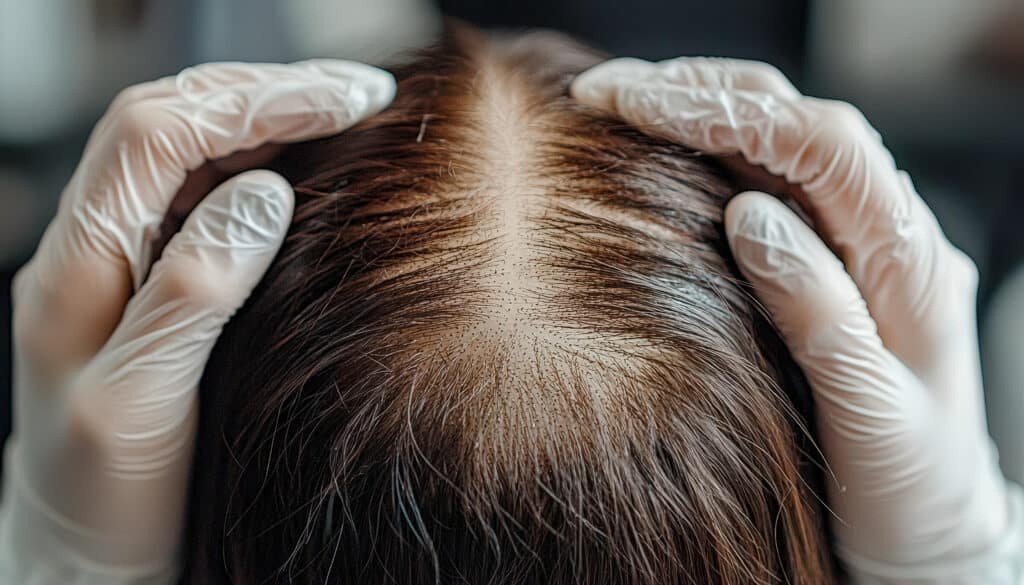
Can you regrow your lost hair naturally as a female?
Can I Regrow My Lost Hair Naturally As A Female?
You want clear, practical information about whether natural approaches can restore lost hair. This article explains the causes of female hair loss, realistic expectations for natural regrowth, evidence-based lifestyle and topical strategies, and when to consider clinic-based regenerative options such as stem cell growth factor therapy.
Understanding Female Hair Loss
Female hair loss is not a single condition; it describes several patterns and mechanisms that affect hair density, texture, and growth cycles. Knowing which type of hair loss you have is the first step toward choosing effective treatments.
Common types and patterns
Women most commonly experience diffuse thinning (female pattern hair loss), telogen effluvium (increased shedding), traction alopecia (damage from tight hairstyles), and autoimmune patchy loss (alopecia areata). Each type has distinct triggers and outcomes for whether follicles remain viable and capable of regrowth.
Why cause matters for regrowth
Regrowth potential depends on whether follicles are dormant (but alive), miniaturized, or replaced by scar tissue. Dormant or miniaturized follicles are often salvageable with appropriate intervention; follicles destroyed by scarring are generally irreversible without surgical restoration.
How to Get an Accurate Diagnosis
Before committing to any regimen, you should confirm the cause of your hair loss with a healthcare professional. A correct diagnosis improves the odds of successful regrowth.
Clinical evaluation and tests
A dermatologist or trichologist can evaluate scalp patterns, take medical history, and order tests such as blood panels (iron, ferritin, thyroid hormones, vitamin D, B12), scalp biopsy if scarring is suspected, and trichoscopy to inspect follicle health. These tests identify treatable contributors and rule out systemic illness.
Why timing matters
Acute shedding (telogen effluvium) often resolves once the trigger is removed; chronic patterns require longer-term strategies. Getting a timely diagnosis prevents wasted time on ineffective approaches and helps you prioritize interventions that yield meaningful results.
Setting Realistic Expectations
You should set realistic goals based on cause, duration, and follicle health. Natural measures can help many women, but outcomes vary.
What “natural regrowth” means
Natural regrowth typically refers to restoring hair density and quality using non-surgical, non-prescription lifestyle, dietary, topical, and supportive therapies. Regrowth can range from slowed thinning and partial restoration to substantial improvement depending on the underlying condition.
When natural approaches are unlikely to fully restore hair
If your scalp shows scarring (lichen planopilaris, central centrifugal cicatricial alopecia) or long-standing, advanced miniaturization with absent follicles in affected areas, natural methods alone will probably not provide full restoration. In such cases, regenerative or surgical options may be required.
Evidence-Based Natural and Low-Intervention Strategies
Below are the most practical, evidence-supported natural strategies you can adopt. Each item includes the basic rationale and what you might reasonably expect.
Nutrition and supplementation
Your diet supplies the building blocks for healthy hair growth. Addressing deficiencies can reverse or halt thinning driven by poor nutrient status.
- Protein: Hair is made of keratin, a protein; ensure adequate intake (approximately 0.8–1.2 g/kg for most adults; higher if you are actively training). Low-protein diets can reduce hair production.
- Iron/ferritin: Low ferritin is strongly linked to increased shedding in many women. If blood tests show low iron stores, iron repletion under medical guidance can improve regrowth.
- Vitamin D: Vitamin D deficiency correlates with hair loss; normalizing levels may help hair cycling.
- Zinc and selenium: Both are necessary in small amounts; deficiency can impair hair health. Avoid excessive zinc, which can be harmful.
- Biotin: Only helpful when you have an actual biotin deficiency, which is rare. High doses are not generally proven to benefit otherwise healthy women and can interfere with lab tests.
- Omega-3 fatty acids and collagen peptides: Support scalp health and may modestly improve hair quality in some studies.
Aim to optimize nutrient status through a balanced diet first; supplement where tests or a clinician recommend it.
Scalp health and stimulation
Improving blood flow to the scalp and maintaining a healthy scalp environment can promote follicle function.
- Scalp massage: Regular mechanical massage can increase blood flow and may stimulate follicles. Practicing a 4–5 minute daily massage has shown modest benefits in studies of hair thickness.
- Gentle cleansing and avoiding harsh chemicals: Use sulfate-free shampoos when appropriate and limit bleaching, frequent bleaching, and aggressive processing which damage shafts and possibly follicles.
- Avoid excessive heat: Minimize high-temperature styling tools and tight hairstyles that cause traction.
Topical herbal and plant-based options
Some botanical oils and extracts have clinical data suggesting benefit for hair density or shedding.
- Rosemary oil: In randomized trials, rosemary oil applied topically improved hair growth and was comparable to topical minoxidil in some measures for androgenetic-type hair loss over several months; results are variable.
- Peppermint oil: Animal studies and small human trials suggest it can stimulate follicular growth via improved circulation, but evidence in large human studies is limited.
- Pumpkin seed oil: Some small trials indicate modest benefit for androgen-related thinning.
When using essential oils, dilute properly in a carrier oil to avoid irritation, and patch-test before routine use.
Mechanical and device-based low-intervention therapies
These non-pharmacologic devices are more than “natural” but are minimally invasive and are often accessible outside of surgical settings.
- Low-Level Laser Therapy (LLLT): A growing body of evidence supports LLLT devices (combs, helmets) for androgenetic and diffuse thinning. LLLT can stimulate follicles and improve hair counts with regular use over months.
- Microneedling: Controlled micro-injury to the scalp using a dermaroller or pen can stimulate repair and growth factors. Combining microneedling with topical treatments improves absorption and can enhance outcomes; procedures are typically done weekly to monthly depending on depth and device.
- Cold cap/scalp cooling is not for regrowth but sometimes relevant to treatment-related loss.
These approaches usually require consistent use for at least 3–6 months to see measurable changes.
Treatments That Aren’t Strictly “Natural” But Are Regenerative and Less Invasive
If you’re willing to consider clinic-based regenerative therapies that activate natural processes, you have effective options that are minimally invasive and focus on stimulating your body’s own repair mechanisms.
Platelet-rich plasma (PRP)
PRP uses your own blood’s platelets and growth factors injected into the scalp. Many studies report improvement in hair thickness and density for non-scarring hair loss. Treatment courses typically include several monthly sessions followed by maintenance.
Stem cell growth factor therapy (e.g., Beyond Stem Cells)
Regenerative approaches use concentrated growth factors and signaling molecules to reactivate dormant follicles. According to clinical data and practice reports, stem cell growth factor therapy can:
- Reactivate dormant hair follicles and stimulate natural hair growth.
- Be performed with minimal discomfort and downtime.
- Produce noticeable improvement within about six months in many patients.
- Cost less than traditional hair transplantation in many cases.
These therapies aim to enhance the natural regenerative environment of the scalp rather than transplant follicles. As with all medical procedures, outcomes vary and should be evaluated by a qualified clinician.
Platelet and stem cell combination approaches
Some clinics combine PRP, stem cell-derived growth factors, microneedling, and LLLT for synergistic effects. Evidence supports improved responses when modalities are thoughtfully combined for appropriate candidates.
Medical Treatments to Know About (for context)
You should know the medical standards so you can compare natural strategies with options that may be necessary for more advanced or persistent cases.
Topical minoxidil
Topical minoxidil is the only FDA-approved topical treatment for female pattern hair loss. It can produce meaningful regrowth for many women over several months but requires ongoing use for maintenance.
Oral medications
- Spironolactone: An anti-androgen that some women use for androgenic hair loss; requires medical supervision and monitoring.
- Oral minoxidil: Low-dose oral minoxidil is increasingly used off-label under clinical supervision.
- Hormonal therapies: For hair loss tied to polycystic ovary syndrome (PCOS) or other hormonal imbalances, treating the underlying endocrine disorder is essential.
These medications can be effective but carry potential side effects and require medical oversight.
Timeline: What to Expect and When
Understanding the time course helps you stay patient and consistent with any plan.
- Immediate to 1 month: Address acute triggers (stopping a new medication or correcting iron deficiency) — shedding may persist briefly as the hair cycle adapts.
- 3 months: Early signs of stabilization and possible new vellus hairs; you may notice less shedding.
- 6 months: Many topical and device-based strategies show measurable improvement in density and thickness around this point.
- 9–12 months: Fuller cosmetic improvement for most non-scarring cases; regenerative therapies may show continued gains beyond one year.
If you do not see any improvement within expected time frames for the chosen intervention, reassess diagnosis and compliance and consult your clinician about escalation.
Risks, Side Effects, and Safety
Even “natural” interventions can carry risks. Take sensible precautions.
Topical and supplement safety
- Essential oils can irritate or cause allergic contact dermatitis — always dilute and patch-test.
- Supplements can interact with medications and cause side effects (e.g., iron overload, zinc toxicity). Use tests and medical guidance for supplementation.
Device and procedure safety
- Microneedling and PRP should be performed by qualified clinicians in appropriate settings to minimize infection risk and complications.
- LLLT is generally safe but requires following manufacturer guidance for frequency and exposure.
When to avoid home treatments
If you have an open wound, active infection, uncontrolled medical condition, or are pregnant/breastfeeding (certain supplements and treatments are contraindicated), consult your healthcare provider before starting new regimens.
A Practical, Stepwise Plan You Can Follow
This algorithm helps you prioritize actions that are low-risk and potentially high-reward.
- Get a professional diagnosis: Dermatologist/trichologist and basic blood tests.
- Correct reversible causes: Treat iron, thyroid, vitamin D, or other deficiencies.
- Lifestyle optimization:
- Improve protein intake and overall nutrition.
- Manage stress with evidence-based techniques (CBT, mindfulness, adequate sleep, exercise).
- Stop damaging hairstyles and reduce heat/chemical exposure.
- Start supportive topical measures:
- Daily gentle scalp massage.
- Consider rosemary oil or other botanical options (diluted) if you prefer non-pharmaceuticals.
- Add device therapies if appropriate:
- LLLT products with regular use.
- Microneedling once you discuss depth and frequency with a clinician.
- Reassess after 3–6 months: Look for reduced shedding and new growth. If progress is limited, consider:
- Topical minoxidil under guidance.
- PRP or stem cell growth factor therapy for regenerative stimulation.
- For advanced or scarring cases: Discuss surgical options (hair transplant) and advanced regenerative protocols.
Comparative Overview Table
| Intervention category | What it does | Evidence level | Time to see changes | Best suited for |
|---|---|---|---|---|
| Nutritional optimization (iron, vit D, protein) | Corrects deficiencies that impair growth | Strong when deficiency present | 2–6 months | Telogen effluvium, general thinning |
| Scalp massage | Increases local circulation and stimulation | Moderate | 3–6 months | Early thinning, maintenance |
| Rosemary oil / botanical topicals | Anti-inflammatory, circulation improvement | Small RCTs positive | 3–6 months | Mild androgenetic thinning |
| LLLT | Stimulates follicles via photobiomodulation | Moderate, growing evidence | 3–6 months | Androgenetic & diffuse thinning |
| Microneedling | Induces growth factor release and absorption | Moderate evidence, better with combo | 3–6 months | Early-moderate thinning |
| PRP | Autologous growth factor stimulation | Moderate-strong in non-scarring loss | 3–6 months | Non-scarring thinning |
| Stem cell growth factor therapy | Reactivates dormant follicles via regenerative signals | Emerging to strong in practice reports | ~3–6 months for visible change | Dormant follicles, female pattern hair loss |
| Topical minoxidil | Vasodilator that prolongs anagen phase | High (FDA-approved) | 3–6 months | Female pattern hair loss |
| Surgical transplant | Moves viable follicles to bald areas | High for permanent coverage | Immediate transplant, months to mature | Advanced loss with permanent bald areas |
When to See a Specialist Urgently
You should seek prompt professional care if you experience:
- Sudden onset of large hair loss patches or rapidly progressing shedding.
- Signs of scarring (smooth, shiny areas with loss of follicle openings).
- Symptoms of systemic disease (unintentional weight changes, fevers, joint pain) concurrent with hair loss.
- Severe emotional distress or depression tied to hair changes.
Early intervention often translates into better outcomes.
Making a Decision That Fits Your Life
You should weigh risks, benefits, cost, and lifestyle fit when choosing strategies. Natural and lifestyle measures are low-risk and foundational — they should be your first step. If those measures are insufficient, regenerative therapies like PRP or stem cell growth factor therapy (as offered by specialized clinics) can offer meaningful, natural-acting stimulation with minimal downtime. Prescription medications and surgical options remain powerful tools for cases that need them.
Practical Checklist for the First 3 Months
- Book an appointment with a dermatologist for diagnosis and baseline labs.
- Start a balanced diet with adequate protein and micronutrients; address deficiencies.
- Reduce damaging hair practices (tight styles, harsh chemicals, high heat).
- Implement daily 5-minute scalp massage and gentle cleansing routine.
- Choose one topical or device therapy to use consistently (rosemary oil, LLLT).
- Track shedding and photos monthly to measure progress.
Final Thoughts and Next Steps
You can often improve hair health and sometimes regrow lost hair using evidence-based natural and minimally invasive strategies, especially when follicles are dormant rather than destroyed. Consistency, accurate diagnosis, and addressing underlying causes are essential. If you want to move beyond home-based measures, regenerative options such as stem cell growth factor therapy and PRP provide promising, less-invasive alternatives to transplant surgery and may be particularly appealing if you prefer treatments that harness your body’s innate repair mechanisms.
If you would like, I can help you:
- Create a personalized 3- to 6-month plan based on your likely diagnosis and lifestyle.
- Draft questions to bring to your dermatologist or clinic about regenerative therapies.
- Summarize specific supplement dosages to discuss with your provider after lab results.
Which of these would you like to do next? Contact Beyond Stem Cells Today:
📍 Denver Location: 5912 S Cody St., Suite 201 Littleton, CO 80123
📞 Phone: (833) 720-7836 📧 Email: Info@beyondstemcells.com 🌐 Website: https://beyondstemcells.com
Office Hours: Monday – Saturday: 9:00 AM – 5:00 PM MST
Schedule your consultation today and discover why men across the country trust Beyond Stem Cells for their hair restoration needs. With minimal discomfort and no downtime, you have nothing to lose except your hair loss concerns. Let us help you grow young with us!