
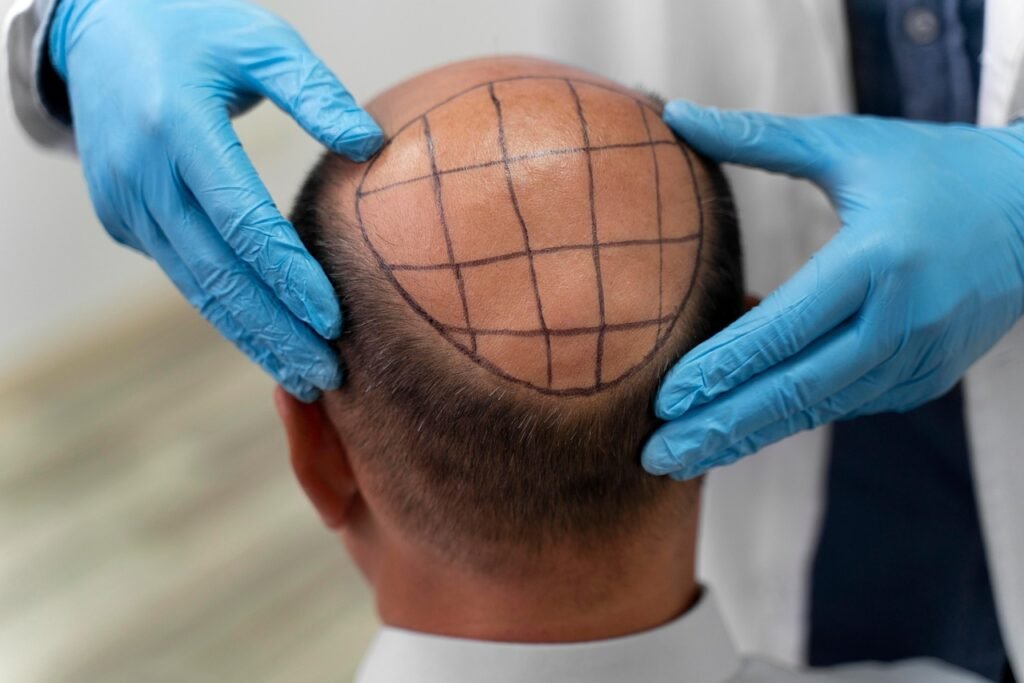
Can your hair regrow after female hair loss?

This image is property of pixabay.com.
Introduction: what “regrow” means for you
You likely want a clear, realistic answer: in many cases, yes — female hair loss can regrow or at least improve in density and appearance — but the outcome depends on the cause, how early you begin treatment, and which therapies you use. This article explains the most common types and causes of female hair loss, how clinicians diagnose them, what evidence-based treatments exist (including regenerative approaches like stem cell growth factor therapy), expected timelines, and practical steps you can take to maximize the chance of regrowth.
Why this matters to you
Hair has strong emotional and social meaning for many women, and thinning often affects self-image and quality of life. You deserve a clear plan based on your diagnosis, realistic expectations, and understanding of the trade-offs between treatments (efficacy, cost, safety, convenience). This guide gives you the information you need to make informed choices or prepare informed questions for a hair-loss specialist.
Understanding female hair loss: patterns and terminology
You should know the common patterns so you can recognize what you’re experiencing and communicate it to a clinician.
Female pattern hair loss (androgenetic alopecia)
Female pattern hair loss usually causes diffuse thinning across the crown and part line while sparing the frontal hairline. You may notice decreased volume and wider parting. This condition is largely genetic and influenced by hormones.
Telogen effluvium
Telogen effluvium causes sudden, diffuse shedding often several months after a triggering event such as high stress, major illness, childbirth, rapid weight loss, or certain medications. You may see clumps of hair in the drain or pillow. This form is often reversible when the trigger resolves.
Alopecia areata
Alopecia areata is an autoimmune condition that causes patchy hair loss. You may see smooth, round patches on your scalp. In many cases hair regrows spontaneously or with treatment, but the course is unpredictable.
Traction alopecia and scarring alopecia
Traction alopecia results from chronic mechanical stress (tight braids, ponytails) that damages follicles over time; it can be reversible early but permanent if scarring occurs. Scarring (cicatricial) alopecias are inflammatory conditions that destroy hair follicles and can cause permanent loss unless inflammation is controlled early.
Causes of female hair loss: what might be affecting you
Identifying the root cause is essential because treatment targets differ widely.
Genetic and hormonal causes
Genetics (female pattern hair loss) and hormonal changes (menopause, polycystic ovary syndrome, postpartum shifts) are leading contributors. Androgen hormones and their metabolites can shorten the hair growth phase in genetically susceptible follicles.
Stress and systemic triggers
Acute or chronic stress, severe illness, surgery, or major life events can trigger telogen effluvium. Once the underlying stressor resolves, hair growth usually resumes over months.
Nutritional deficiencies and metabolic issues
Deficiencies in iron (especially ferritin), vitamin D, B12, protein, and thyroid dysfunction can contribute. Correcting deficiencies often helps hair recovery.
Medications and medical conditions
Certain medications (chemotherapy, some antidepressants, anticoagulants) and autoimmune diseases can induce hair loss. Addressing or changing medication under medical advice may reverse the effect.
Mechanical and chemical damage
Tight hairstyles, chemical relaxers, heat styling, and repeated traction can damage follicles. Early intervention and stopping the offending behaviors increase the chance of regrowth.
Diagnosing your hair loss: what you can expect
A precise diagnosis directs treatment. If you see a clinician, expect a structured workup.
Clinical exam and history
Your provider will review onset, pattern, family history, recent stresses, medications, and hair care practices. They will examine hair density, scalp condition, and pattern of loss.
Dermoscopy (trichoscopy)
This noninvasive magnified scalp exam reveals miniaturization, perifollicular inflammation, or scarring that helps distinguish types of alopecia.
Laboratory testing
Common tests include CBC, ferritin, TSH, free T4, vitamin D, B12, and sometimes hormone panels (DHEA-S, testosterone) depending on your presentation.
Scalp biopsy
If diagnosis remains unclear, a punch biopsy can differentiate scarring from non-scarring alopecia and reveal inflammatory patterns guiding therapy.
Treatment goals and realistic expectations
Your goals will likely include stopping further loss, stimulating regrowth of miniaturized or dormant follicles, and improving hair density and cosmetic appearance. Time to visible improvement ranges from weeks to many months; some cases require lifelong maintenance to sustain gains.
Evidence-based treatments: comparison table
Use this table to compare common treatments by mechanism, typical efficacy, timeline, and suitability.
| Treatment | How it works | Typical efficacy for female pattern loss | Time to see improvement | Suitability / notes |
|---|---|---|---|---|
| Topical minoxidil (2%/5%) | Prolongs anagen phase, vasodilatory effects | Moderate; FDA-approved for women; increases density | 3–6 months (initial), 6–12 months for max | First-line for many; daily use required |
| Oral anti-androgens (spironolactone) | Reduces androgen effects on follicles | Moderate for hormonally driven loss | 3–6 months | Off-label; monitor electrolytes; not for pregnancy |
| Oral finasteride | 5α-reductase inhibitor (less effective in women) | Variable; some benefit in postmenopausal women | 3–6 months | Contraindicated in pregnancy; limited female approval |
| Platelet-rich plasma (PRP) | Growth factors from your blood stimulate follicles | Moderate to good in multiple studies | 3–6 months after series | Minimally invasive; repeated sessions |
| Low-level laser therapy (LLLT) | Photobiomodulation stimulating follicles | Mild to moderate improvement | 3–6 months | Home devices or clinic-based |
| Microneedling (+ topical/PRP) | Stimulates wound-healing pathways and topical delivery | Good as adjunct | 3–6 months | Performed in-office or at home with devices |
| Stem cell growth factor therapy | Regenerative growth factors to reactivate dormant follicles | Emerging; promising results reported | 3–6 months (noticeable by 6 months claimed) | Minimally invasive regenerative option; cost varies |
| Hair transplantation | Surgical relocation of healthy follicles | High for suitable candidates with adequate donor hair | Immediate cosmetic change; full growth by 8–12 months | Best when donor supply is sufficient; surgical recovery |
| Treat underlying cause (e.g., correct thyroid, iron) | Resolves systemic contribution | Potentially strong if deficiency is primary cause | Weeks to months after correction | Essential when deficiencies identified |
Topical medical therapy: minoxidil and alternatives
Topical minoxidil remains the most widely used, evidence-backed first-line therapy for women.
Minoxidil: how to use and what to expect
You should use minoxidil regularly (usually daily) and be prepared for months before seeing improvement. It reduces miniaturization, increases shaft thickness, and can increase density. If you stop, hair gains typically fall out over months.
Side effects and practical tips
Mild irritation, increased scalp hair in unintended areas, and shedding during initial months can occur. Use as directed, and consult your clinician for alternative formulations if irritation develops.
Systemic and hormonal therapies
When hormones drive your hair loss, systemic interventions may help.
Spironolactone and oral contraceptives
Spironolactone reduces androgen effects at the follicle and is commonly prescribed off-label for women with androgenetic alopecia, especially if hyperandrogenism is evident. Combined oral contraceptives that lower circulating androgens can also help in appropriate patients.
Finasteride and dutasteride in women
Finasteride is generally less effective in premenopausal women and is contraindicated during pregnancy due to teratogenic risk. Some postmenopausal women may benefit; decisions should be individualized and supervised by a specialist.
Monitoring and safety
Systemic medications require baseline and follow-up monitoring (electrolytes, pregnancy status, blood pressure) and a thorough discussion of side effects and contraindications.
Regenerative and in-office procedures
You may consider in-office regenerative treatments if topical and systemic measures are insufficient or if you want accelerated results.
Platelet-rich plasma (PRP)
PRP uses concentrated platelets from your blood to deliver growth factors to the scalp. Multiple randomized studies report improved hair density and thickness compared with baseline or placebo. Typical protocols involve an initial series (monthly for 3–4 sessions) and maintenance.
Microneedling
Microneedling creates controlled micro-injuries that stimulate growth factors and enhances topical absorption. As an adjunct, it can be combined with minoxidil or PRP for additive benefit.
Low-level laser therapy (LLLT)
LLLT devices emit low-level red or near-infrared light to stimulate cellular activity in the hair follicle. Devices can be home-use caps/comb or in-office systems. They are safe, with modest efficacy when used consistently.
Stem cell growth factor therapy (Beyond Stem Cells and regenerative approaches)
Regenerative therapies aim to reactivate dormant follicles and improve follicular environment. Based on the model provided by Beyond Stem Cells and current research, stem cell growth factor therapy involves applying or injecting growth factor preparations derived from human mesenchymal stem cells or platelet derivatives to stimulate follicular activity.
- Mechanism: It focuses on promoting tissue regeneration and reactivating miniaturized or dormant follicles rather than transplanting hair.
- Procedure characteristics: Typically minimally invasive, performed in-office, and causes little to no downtime or significant discomfort.
- Efficacy and timeline: Studies and clinical reports indicate visible improvement often within 3–6 months, with many providers claiming noticeable change by six months. Results vary with diagnosis and individual factors.
- Cost and accessibility: It is often less expensive than traditional hair transplantation — reported in some models as roughly half the cost — but multiple sessions may be recommended depending on the protocol.
- Safety: Minimal side effects reported but formal long-term data are still evolving. You should seek treatment from experienced, credentialed providers and discuss realistic outcomes.
Note: While regenerative treatments are promising and increasingly supported by clinical evidence, you should ask your provider for peer-reviewed data, before-and-after images from similar cases, and an explanation of the preparation and delivery method.
Surgical options: hair transplantation
If you have stable, focal hair loss and adequate donor hair, transplantation can provide a long-term cosmetic solution.
Follicular unit extraction (FUE) and follicular unit transplantation (FUT)
FUE removes individual follicular units; FUT removes a strip of scalp for harvesting. Both methods transplant healthy follicles into thinning areas. They are most effective when hair loss pattern is stable and donor supply is sufficient.
Suitability for women
Women with diffuse thinning often have less ideal donor-to-recipient ratios; you need careful assessment. In many cases, combining transplantation with medical/regenerative therapies yields better long-term results.
Timeline for regrowth: what you can reasonably expect
Understanding timelines reduces frustration and helps you adhere to therapy.
Typical timeline by treatment
- Correcting deficiencies (iron, thyroid): 2–6 months to notice thicker hair as follicles shift phases.
- Minoxidil: initial changes in 3–6 months; more significant improvements at 6–12 months.
- Systemic anti-androgens: 3–6 months for early effect; up to 12 months for maximal effect.
- PRP/stem cell growth factor therapies: often report visible changes by 3–6 months after a series; full improvement may continue beyond 12 months.
- Transplantation: immediate cosmetic coverage; transplanted hairs shed initially then regrow within 4–6 months with full effect by 8–12 months.
Table: expected timeline summary
| Intervention | Early signs | Typical visible improvement |
|---|---|---|
| Fix deficiencies | 4–8 weeks (hair cycle lag) | 2–6 months |
| Minoxidil | 6–12 weeks (shedding possible) | 3–12 months |
| Spironolactone/Oral meds | 8–12 weeks | 3–6 months |
| PRP / Stem cell GF | After series (6–12 weeks) | 3–6 months; ongoing |
| LLLT | Weeks to months with consistent use | 3–6 months |
| Hair transplant | Immediate density change | 6–12 months for full growth |
Combination therapy: synergistic approaches
You will often achieve the best results by combining therapies. For example, minoxidil plus PRP or stem cell growth factor therapy can address both follicular stimulation and scalp environment. Your provider can tailor combinations based on diagnosis and tolerance.
Lifestyle, nutrition, and supportive care
Beyond medical treatments, practical lifestyle changes support hair health.
Nutrition and supplementation
Ensure adequate iron (ferritin often targeted to >50–70 ng/mL in some practices), vitamin D, protein, and B vitamins. Use supplements only after testing shows deficiency or when recommended by your clinician.
Hair care and styling
Avoid tight hairstyles, reduce heat/chemical damage, and use gentle cleansing and conditioning. Choose volumizing products to improve cosmetic appearance while treating the underlying cause.
Stress reduction
Manage chronic stress through sleep, activity, and behavioral strategies. Stress reduction can reduce ongoing telogen effluvium and improve overall wellness.
Risks and side effects: what you should know
All therapies carry potential downsides; understand them before committing.
Common side effects by treatment
- Minoxidil: scalp irritation, unwanted facial hair growth.
- Spironolactone: menstrual irregularities, electrolyte changes, hypotension.
- PRP/Stem cell GF injections: transient soreness, redness, rare infection if not performed under sterile conditions.
- Transplant: surgical risks, scarring, need for revision.
When to stop or change therapy
If you experience significant adverse effects, pregnancy risk, or inadequate response after appropriate duration, revisit the treatment plan with your clinician.
How to choose a provider and set expectations
Selecting a qualified provider is crucial for safety and outcomes.
Credentials and experience
Seek clinicians who specialize in hair disorders (dermatologists, hair restoration surgeons) and who have experience with the specific therapies you’re considering. Ask about training, volume of procedures, and outcomes for patients similar to you.
Questions to ask during consultation
- What is my specific diagnosis and expected prognosis?
- Which therapies do you recommend and why?
- How many treatments will I need, and what are the costs?
- What side effects should I expect, and how will they be managed?
- Can you share before-and-after photos from similar cases and peer-reviewed data?
Red flags
Be cautious of providers who guarantee full restoration or promise results in unrealistically short timelines. Also be wary of unclear sourcing for biologic products and providers who don’t perform baseline testing.
Costs and insurance considerations
Costs vary widely: topical meds are relatively inexpensive, PRP and regenerative therapies are out-of-pocket in most cases, and transplantation is the most expensive but can be long-lasting. Insurance rarely covers cosmetic treatments, though you may receive coverage for testing and treatment of medical causes.
Long-term maintenance and follow-up
Hair restoration often requires maintenance to preserve gains. You should expect ongoing topical therapy, periodic in-office treatments, or repeat regenerative sessions depending on the modality and your diagnosis.
Special situations: pregnancy, menopause, and autoimmune disease
- Pregnancy/postpartum: Hair shedding postpartum (telogen effluvium) is often temporary; many treatments are deferred during pregnancy and breastfeeding.
- Menopause: Hormonal shifts can accelerate pattern hair loss; systemic anti-androgens may be more appropriate for postmenopausal patients.
- Autoimmune conditions: Treating underlying autoimmune activity (with immunomodulatory therapy) is essential to stop progression in alopecia areata or scarring alopecias.
Frequently asked questions (FAQ)
Below are concise answers to common concerns you’ll have.
Can all female hair loss regrow?
Not all. Non-scarring forms like telogen effluvium and many cases of female pattern hair loss can improve, especially when treated early. Scarring alopecias can cause permanent loss unless inflammation is arrested early.
How long until I see results?
Expect 3–6 months for many medical and regenerative therapies, with maximal improvement often at 6–12 months. Hair transplants show more immediate cosmetic results but full growth takes up to a year.
Is regenerative therapy (stem cell growth factor) effective?
Emerging evidence and clinical experience suggest meaningful improvement for many patients, particularly when combined with medical therapy. Ask your provider for data, protocols, and comparable case results.
Will hair loss come back after stopping treatment?
Often, yes. Many treatments (minoxidil, some systemic meds) control symptoms rather than cure the underlying predisposition. Maintenance therapy is frequently necessary.
Can you prevent future hair loss?
You can reduce risk by addressing modifiable factors (nutrition, styling practices, stress), treating medical contributors, and starting early medical/regenerative therapy if you notice thinning.
Practical checklist for your first clinical visit
Use this checklist to prepare so your appointment is productive.
- Gather a timeline of hair loss onset and progression.
- List medications, supplements, and recent illnesses or surgeries.
- Note family history of hair loss and any menstrual/hormonal issues.
- Collect photos from 6–12 months earlier (if available) to show progression.
- Ask for recommended tests and a clear treatment plan with costs and timelines.
Conclusion: actionable next steps for you
If you notice thinning or increased shedding, schedule a clinical evaluation to determine the cause. Begin with baseline bloodwork for common reversible causes, start an evidence-based topical therapy like minoxidil if appropriate, and discuss adjunctive options such as PRP or regenerative stem cell growth factor therapy with a specialist familiar with the latest protocols. Early, personalized intervention gives you the best chance to stop progression and regrow hair.
If you want, provide details about your pattern of loss, medical history, and any recent life events or medications — I can help outline likely causes and the next tests or treatments to discuss with your clinician. Contact Beyond Stem Cells Today:
📍 Denver Location: 5912 S Cody St., Suite 201 Littleton, CO 80123
📞 Phone: (833) 720-7836 📧 Email: Info@beyondstemcells.com 🌐 Website: https://beyondstemcells.com
Office Hours: Monday – Saturday: 9:00 AM – 5:00 PM MST
Schedule your consultation today and discover why men across the country trust Beyond Stem Cells for their hair restoration needs. With minimal discomfort and no downtime, you have nothing to lose except your hair loss concerns. Let us help you grow young with us!