Aesthetics in Littleton, Colorado
- This aesthetics hub focuses on the clinic’s documented microneedling and red-light services.
- Microneedling and red-light treatment use different methods and should not be presented as interchangeable.
- Your skin concern, treatment history and recovery constraints help determine the appropriate discussion.
- FDA clearance of a microneedling device does not establish the safety of combining it with another product.
- Treatment costs are individualized; the Littleton consultation is free.
Uneven texture, visible marks or changes in your skin can make the choice between treatments confusing. Compare what each approach involves, what evidence supports your goal and what recovery you can accommodate before choosing a course of care.

Which aesthetic option fits my skin concern: microneedling or red light?
Microneedling and red-light therapy offer different starting points for a skin-treatment conversation, and the right comparison begins with your concern. A rough texture, a noticeable scar and a general wish for fresher-looking skin are not identical goals. Name the change you would value, then ask whether either approach is appropriate for that concern and your skin.
Beyond Stem Cells has existing pages for facial microneedling and red-light/infrared therapy. Compare these two approaches by your skin concern, the proposed procedure and the practical demands of treatment. A consultation should confirm the current service and the person who would perform it.
What is the practical difference?
Microneedling uses fine needles to create controlled punctures in the skin. Red-light treatment exposes the skin to light from a device without creating needle punctures. Those methods differ in how a visit feels, the questions to ask about recovery and the evidence that applies to a particular goal. Comparing them only by the word “rejuvenation” hides details you need for a decision.
American Academy of Dermatology guidance on microneedling describes its use for concerns such as scars, wrinkles and uneven texture. This is general information about appropriately selected treatment, not a guarantee of a clinic-specific result. Bring the concern to the clinician rather than assuming a procedure is suitable because it appears in a list of possible uses.
- For a particular mark or scar: ask what type it is and whether an aesthetic procedure is appropriate.
- For texture or visible aging changes: discuss a realistic degree of improvement and how it would be assessed.
- For limited recovery time: compare the proposed aftercare with your work, exercise and social schedule.
- For a sensitive or reactive skin history: explain previous reactions and ask whether evaluation should come first.
How can I judge whether the recommendation fits?
Ask the provider to explain the proposed treatment in relation to your skin concern, rather than starting with a package of visits. You should know which device is used, whether any additional product is involved and how the plan would change if your skin does not tolerate it. A useful recommendation is specific enough that you can compare it with another opinion.
A skin treatment should be chosen for the concern you want to change and the recovery you can reasonably manage.
Editorial perspective, informed by AAD and FDA patient guidance
Take time to distinguish a reasonable objective from an expectation of flawless or permanently younger skin. Ask how the clinician would document your starting point and discuss progress. A free Littleton consultation can help clarify that decision without requiring you to arrive with a procedure already selected.
A clear answer starts with an assessment.
Bring your questions. A consultation helps you understand which options fit your history and goals.
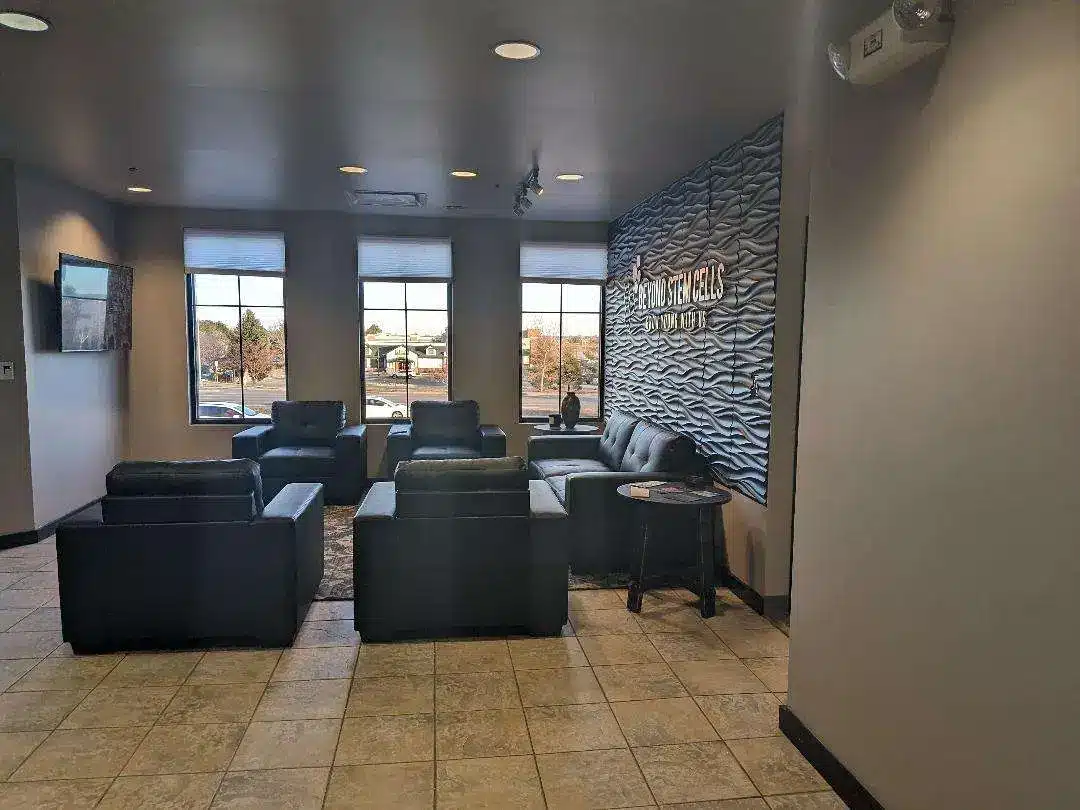
What should I know before choosing facial microneedling?
Facial microneedling is a procedure whose suitability depends on the skin being treated, the device, the provider and the proposed aftercare. It should not be sold as a standard solution for every facial concern. A useful consultation begins with an assessment of what you want to improve and an explanation of how the specific plan relates to that goal.
Which treatment details matter?
Ask for the name of the device and whether the proposed procedure is conventional microneedling or a treatment that also uses energy. Those are not details to infer from a photograph or the word “facial.” Before booking, ask which device and procedure Beyond Stem Cells proposes for you; do not assume radiofrequency is part of the treatment.
Request the proposed treatment area, the approach to comfort and the expected aftercare. Ask how your skin history changes the plan and whether a dermatologist’s assessment would be helpful before proceeding. A treatment that was appropriate for a friend may not fit your concern, previous reactions or ability to follow recovery instructions.
- Share your history: skin conditions, recent treatments and previous reactions to procedures or products.
- List your products: prescriptions, over-the-counter skin care and supplements you currently use.
- Clarify the device: its name, intended use and the person operating it.
- Plan recovery: written instructions about skin care, sun exposure and returning to activities.
- Know the contact route: who to call if your response differs from what was explained.
Do added serums or exosomes change the decision?
FDA’s microneedling device guidance states that cleared microneedling devices are not cleared for delivering cosmetics, topical medicines, vitamins, drugs or blood products into skin. It also identifies risks including infection and pigment changes. A device’s clearance therefore does not establish that combining it with an added substance is safe or effective. Ask about each component of the proposed treatment separately.
If an exosome preparation is proposed with microneedling, ask for its exact identity and the evidence for that combination. FDA’s exosome alert states that there are no FDA-approved exosome products. Added exosomes should not be assumed to accelerate healing or improve the outcome of microneedling. Any proposed add-on needs its own explanation of identity, evidence and regulatory status.
What result should I expect?
Ask what a meaningful improvement would look like for your specific concern and when reassessment would be appropriate. A photograph should support that discussion, rather than function as a prediction of your result. Clarify whether another session would be recommended only after reviewing the response or is being sold as a fixed package.
Review the facial microneedling service page to prepare questions. Your final decision should rest on the current plan, understood risks and realistic expectations, including the possibility of limited improvement.
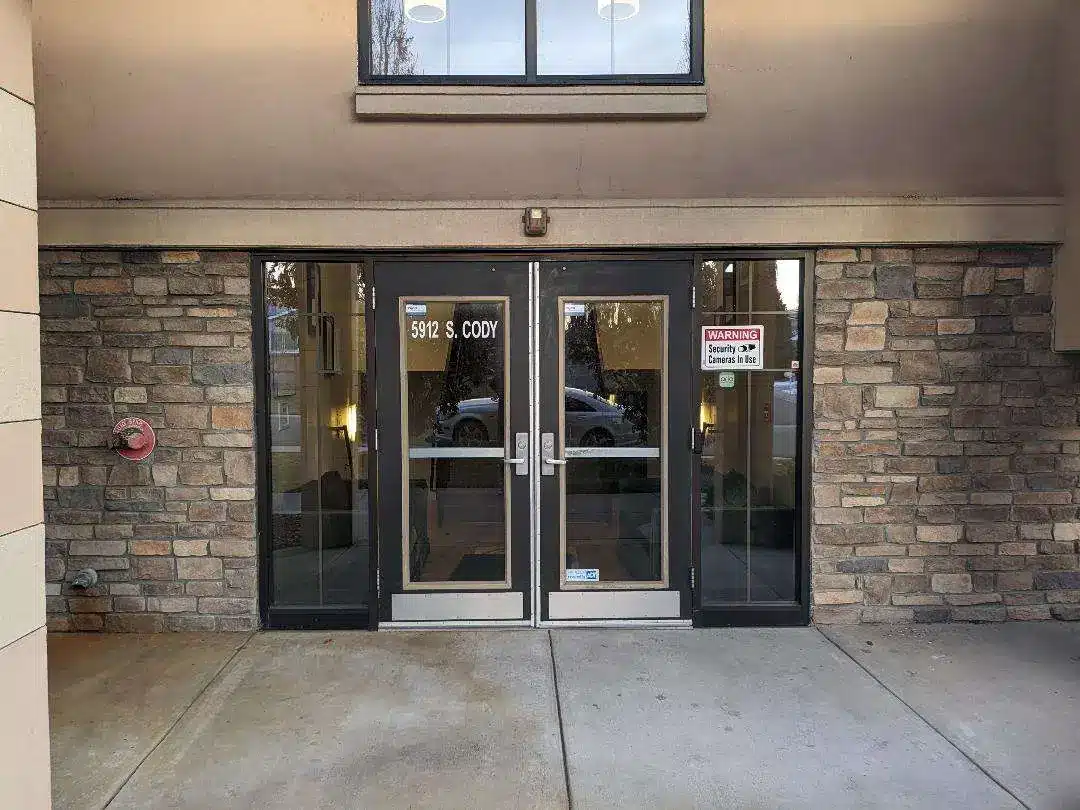
What should I compare before booking red-light therapy or an aesthetic package?
Red-light therapy should be evaluated using the specific device, your skin goal and the proposed course of visits. The absence of needles can matter when comparing procedures, but it does not establish that any light device will produce the result you want. Ask why the particular treatment is being recommended and how its use relates to your concern.
AAD guidance on red-light therapy describes a noninvasive approach with evidence that varies by use and continuing questions about long-term outcomes. It recommends discussing skin concerns with a dermatologist and reviewing precautions, including light sensitivity. This is general education, not validation of an unspecified clinic device or a promise of visible improvement.
What should I ask about the light device?
Ask for the device name, the proposed treatment area and the schedule being recommended. Clarify whether the appointment involves red light, near-infrared light or a combination, and what that means for your plan. Do not assume that an at-home mask, a clinic panel and every device described online use the same settings or have the same evidence.
- Purpose: which skin concern the visit is intended to address.
- Equipment: the exact device and the evidence relevant to its intended use.
- Precautions: what eye protection and screening are appropriate for that equipment.
- Schedule: the proposed number of visits and when response will be reviewed.
- Combined care: whether another procedure is suggested and why the combination is justified.
Share your medication and skin-care list before treatment so the provider can assess precautions. Ask what you should do if the experience feels uncomfortable or your skin reacts differently than expected. A description such as “gentle” does not replace instructions tailored to the device and your history.
How do I compare the value of a package?
Start with a clear goal and compare the full proposed cost, the time needed for visits and the strength of the explanation behind the plan. Ask whether you can reassess before committing to additional sessions. If microneedling and light treatment are proposed together, ask what each component contributes and whether evidence supports that particular combination for your concern.
A package is easier to evaluate when you can see its parts: procedure, device or products, aftercare, reassessment and any extra charges. Keep those details in writing. The lowest advertised session price may not represent the total commitment, while a larger package does not guarantee a larger benefit.
Beyond Stem Cells offers a free consultation and individualized treatment pricing. Explore the existing red-light/infrared service information, review payment information and contact the clinic to ask about your goal. The clinic is at 5912 S Cody St, Suite 201, Littleton, CO 80123; call 833-720-7836, Tuesday–Saturday, 9 AM–5 PM. This page provides general education and cannot replace individual skin assessment or medical advice.
Compare documented aesthetic options
| Option | What happens | Decision to clarify |
|---|---|---|
| Facial microneedling | A device creates controlled skin punctures | Concern, device, provider, recovery and realistic improvement |
| Red-light/infrared therapy | A device exposes the treatment area to light without needles | Device, intended use, precautions, evidence and course length |
| A proposed combination | Two treatments or a treatment plus an added product | Rationale and evidence for each component; one component does not validate the other |
What should you discuss at your consultation?
- Adults with a specific cosmetic skin concern who want an assessment before choosing a treatment.
- People willing to discuss skin conditions, medication use and prior reactions.
- People comparing the recovery implications of a needle-based procedure with a light-device approach.
- People able to follow the proposed aftercare and attend reassessment if recommended.
- People with realistic expectations who understand that improvement is variable.
Candidacy is determined through an individual clinical evaluation. An option described on this page may not be appropriate for your condition.
What happens next?
-
Define the skin goal
Identify the mark, texture change or other concern you would like assessed.
-
Review skin history
Discuss previous procedures, skin-care products, medicines and reactions during a free consultation.
-
Compare the actual plan
Ask about the device, provider, any added product, evidence, precautions, recovery and itemized cost.
-
Choose and reassess
Proceed only after understanding the plan, including aftercare, contact arrangements and how response will be reviewed.
What does aesthetics cost?
Ask about benefits, limitations, and alternatives.
The right choice depends on a diagnosis, realistic expectations, and a plan you understand.
Who supervises care at Beyond Stem Cells?
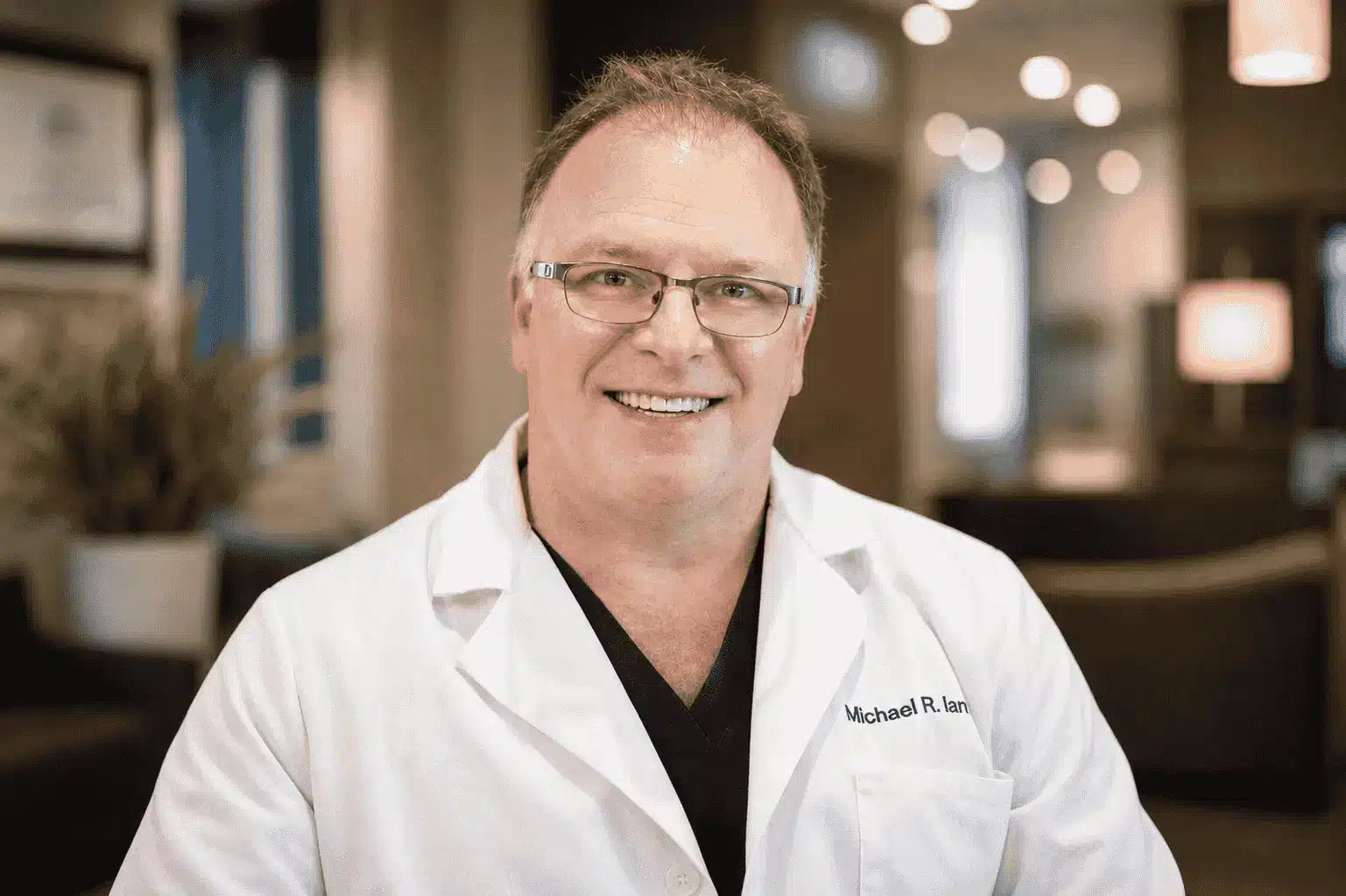
Dr. Michael Iannotti, MD
Dr. Michael Iannotti is the clinic’s supervising physician and is board certified in Family Medicine. The clinical team evaluates your health history, goals, and suitability before recommending a service.
A treatment decision starts with understanding the problem, the options, and the limits.
Frequently asked questions about aesthetics
Is microneedling the same as red-light therapy?
No. Microneedling creates controlled skin punctures, while red-light therapy uses a light device without needle punctures. The methods, precautions, recovery questions and evidence differ.
How much does microneedling cost in Littleton?
Microneedling pricing is individualized. The consultation is free; request an individualized quote that includes the procedure, any added products and follow-up.
Is every microneedling treatment an RF procedure?
No. A microneedling service name alone does not specify whether radiofrequency is involved. Ask which device and procedure are proposed before comparing equipment-specific benefits or risks.
Do exosomes guarantee better microneedling results?
No. Added benefit should not be assumed. FDA states that there are no FDA-approved exosome products, and a microneedling device’s clearance does not establish the safety or effectiveness of added substances.
Can I choose treatment if I cannot take time away from work?
Discuss your work, activities and recovery constraints before booking. Ask for written aftercare and a realistic explanation of the proposed treatment’s recovery; no procedure should be assumed to have zero downtime for every person.
Explore related services and information.
Aesthetics in Littleton, serving the Denver metro.
Beyond Stem Cells is located at 5912 S Cody St, Suite 201, Littleton, CO 80123. Our clinic serves patients from Littleton and surrounding Denver-area communities.
Hours: Tuesday–Saturday, 9:00am–5:00pm.
Get a plan that fits your situation.
Call the Littleton clinic or request your free consultation. Bring your questions about suitability, cost, and what to expect.
Where can you learn more?
- AAD: Microneedling patient guidance
- AAD: Red-light therapy guidance
- FDA: Microneedling device safety and limits
- FDA: Exosome product safety alert
- Client capture: Facial microneedling
- Client capture: Red-light/infrared therapy
This page provides general educational information and is not individual medical advice. Treatments, risks, and suitability vary. Clinical and regulatory information should be discussed with a qualified clinician; no specific outcome is promised.