
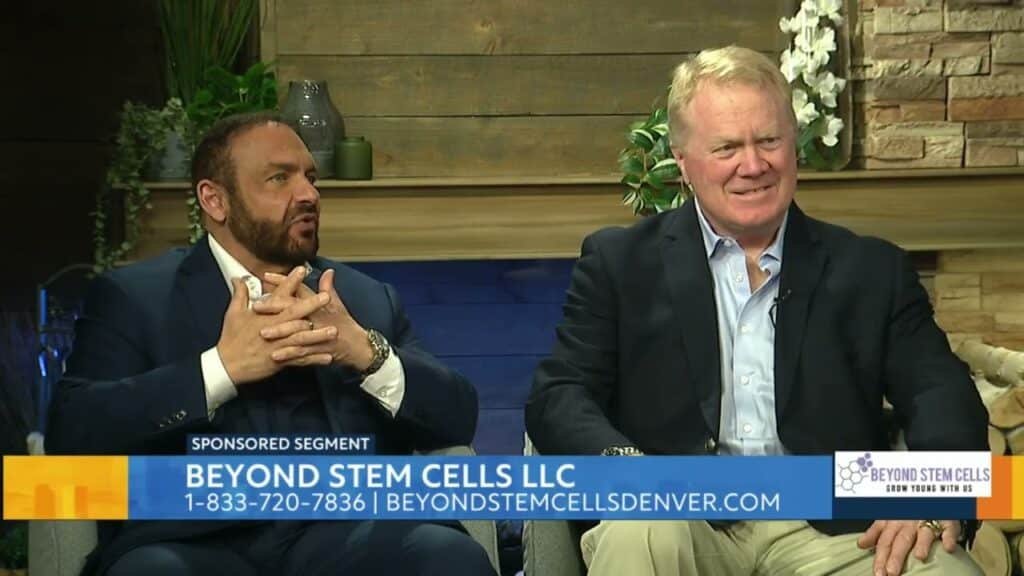
In “Beyond Stem Cells Regenerative Medicine and Stem Cell Therapy” you’ll explore a March 27, 2025 segment featuring Karl Mecklenburg, produced by Beyond Stem Cells Medical Spa. The piece highlights the video content and sets the stage for practical discussion about advances in regenerative care.
The article summarizes the segment and explains regenerative medicine fundamentals. It then outlines stem cell therapy applications, shares patient experiences, and offers practical tips to help you assess treatment options and ask the right questions.
Foundations of Regenerative Medicine
Definition and core principles of regenerative medicine
Regenerative medicine is the set of approaches aimed at restoring structure and function to damaged tissues and organs rather than simply treating symptoms. When you engage with regenerative medicine, you’re focusing on therapies that promote true tissue renewal, harnessing the body’s own repair mechanisms or providing biological, chemical, or mechanical cues to rebuild healthy tissue. The core principles include stimulating cellular processes that recapitulate development, providing appropriate scaffolds or environments for cells to organize, modulating the immune response to permit repair, and ensuring functional integration with existing tissues.
Distinction between repair, replacement, and regeneration
It helps to distinguish repair, replacement, and regeneration because each implies a different therapeutic goal. Repair usually means scar formation or partial functional recovery—you might see reduced pain or improved appearance but not full restoration. Replacement involves substituting the damaged tissue with prosthetics, implants, or donor tissues; you accept that the original tissue is gone and provide an alternative. Regeneration aims to restore the original tissue architecture and function, ideally returning the site to its pre-injury state. When you evaluate therapies, consider whether they support scar-mediated repair, provide a replacement solution, or genuinely encourage regeneration.
Key biological processes: regeneration, remodeling, and wound healing
Regeneration, remodeling, and wound healing are overlapping biological programs. Regeneration is the reconstitution of tissue architecture and cell types, often invoking developmental pathways. Remodeling is the longer-term structural and functional refinement of repaired tissue; it can involve matrix deposition, cell turnover, and changes in mechanical properties. Wound healing is the immediate response to injury—hemostasis, inflammation, proliferation, and maturation—and can lead to either functional restoration or scarring. Understanding these processes helps you appreciate how interventions can accelerate, guide, or derail desired outcomes.
Interdisciplinary nature: cell biology, bioengineering, immunology, and clinical medicine
Regenerative medicine is inherently interdisciplinary. Cell biology teaches you how cells differentiate, communicate, and respond to signals; bioengineering provides materials and devices to present those signals and mechanical support; immunology helps you manage host responses that can either enable or impede healing; and clinical medicine ensures therapies are safe, effective, and translatable to patients. You’ll often find teams combining these perspectives to design therapies that are biologically informed, technologically feasible, and clinically relevant.
Historical Evolution and Context
Milestones leading up to modern regenerative approaches
The field evolved from observations like organ regeneration in lower animals, to surgical grafts and prosthetics, to tissue transplantation and transplant immunology. Key milestones include skin grafting techniques, bone grafts, the discovery of growth factors, and the ability to culture cells in vitro. Each advance pushed you closer from mechanical fixes toward biologically based strategies that aim to rebuild tissue.
How stem cell research shaped the field and its limitations
Stem cell research dramatically expanded regenerative possibilities by showing that undifferentiated cells can produce multiple cell types. You benefited from breakthroughs in embryonic stem cells, induced pluripotent stem cells (iPSCs), and adult stem cell biology, which opened avenues for cell-based therapies and disease modeling. However, limitations emerged: inconsistent engraftment, immune rejection, tumorigenicity risk, complex manufacturing, and regulatory hurdles. These challenges highlighted that while stem cells are powerful tools, they are not a universal solution.
Emergence of cell-free and adjunctive therapies
Recognizing stem cell limitations led to interest in cell-free and adjunctive therapies that harness mechanisms of regeneration without delivering live cells. You now see approaches like growth factor delivery, extracellular vesicles, conditioned media, and biomaterials that present instructive cues. These strategies can capture many benefits of cell therapies—modulating inflammation, stimulating endogenous cells—while reducing risks related to cell survival, differentiation control, and storage.
Influence of biotechnology, materials science, and genomics
Advances in biotechnology, materials science, and genomics accelerated the field. Biotechnology provided recombinant proteins and scalable manufacturing; materials science enabled advanced scaffolds and delivery systems; and genomics gave you tools to understand regenerative pathways and personalize interventions. Together, these disciplines create a fertile environment for designing precise, targeted regenerative treatments that are safer, better characterized, and more reproducible.
Therapeutic Modalities Beyond Stem Cells
Overview of non‑stem cell approaches and why they matter
Non-stem cell approaches matter because they often offer simpler, safer, and more scalable options for restoring tissue function. You’ll find small molecules, biologics, cell-free secretomes, platelet-derived products, and mechanical or physical therapies that can stimulate the body’s own regenerative capacity. These options can be adjuncts to, or replacements for, cell therapies depending on the clinical scenario, regulatory environment, and cost considerations.
Small molecules and biologics that modulate regeneration
Small molecules and biologics can modulate key signaling pathways involved in cell proliferation, differentiation, and matrix remodeling. When you use a growth factor or a signaling inhibitor, you’re directly influencing the biochemical environment to favor regeneration—examples include BMPs for bone formation or Wnt modulators for tissue patterning. Small molecules are often attractive because they can be synthesized at scale, have defined pharmacokinetics, and can be delivered systemically or locally.
Cell-free biologics such as conditioned media and secretomes
Conditioned media and secretomes from cultured cells contain a complex mixture of proteins, lipids, nucleic acids, and extracellular vesicles that can promote tissue repair. When you apply these cell-free biologics, you’re leveraging the paracrine activity that underlies many stem cell benefits without introducing cells themselves. These products can reduce inflammation, recruit endogenous progenitors, and stimulate matrix remodeling, and they’re easier to store and standardize than living cell preparations.
Mechanical and physical therapies supporting tissue repair
Mechanical loading, ultrasound, shockwave therapy, electromagnetic stimulation, and physiotherapy are examples of non-biological modalities that influence cell behavior and tissue remodeling. You can use these therapies to modulate mechanotransduction pathways, enhance vascularization, and improve structural alignment during healing. They often complement biochemical strategies and can be crucial for translating molecular effects into functional, load-bearing tissue.
Exosomes and Extracellular Vesicles
Biology and types of extracellular vesicles
Extracellular vesicles (EVs) are membrane-bound packets released by cells; they include exosomes (small, endosome-derived vesicles), microvesicles (shed from the plasma membrane), and apoptotic bodies. EVs carry proteins, lipids, and nucleic acids—especially microRNAs—that reflect the originating cell’s state. When you study EVs, you’re looking at natural nanoscale messengers that mediate intercellular communication.
Mechanisms of action in tissue communication and repair
EVs modulate recipient cells by transferring cargo that can reprogram gene expression, alter signaling pathways, and change cellular behavior. For regeneration, EVs can reduce inflammation, promote angiogenesis, stimulate resident progenitors, and enhance matrix deposition. You can think of them as concentrated packets of instructions that tell injured tissue how to heal more effectively.
Advantages over cell transplantation including safety and storage
EV-based therapies avoid many cell therapy complications: they don’t proliferate, so tumor risk is lower; they’re less immunogenic; and they can be sterilized, lyophilized, or stored more readily than living cells. For you, the practical benefits include simplified logistics, potentially lower manufacturing costs, and a more favorable regulatory profile, although robust standards are still evolving.
Current preclinical and clinical evidence and limitations
Preclinical models show promising effects of EVs across organs—heart, musculoskeletal, neural, and skin—by improving function and reducing scarring. Early clinical studies are emerging but remain limited in size and scope. Key limitations include scalable, reproducible production, cargo heterogeneity, delivery targeting, and standardized potency assays. You should view EVs as a promising platform that needs rigorous, well-controlled clinical trials to confirm efficacy and safety.
Platelet Rich Plasma and Autologous Blood Products
Principles and preparation methods of PRP and related products
Platelet-rich plasma (PRP) concentrates platelets from a patient’s blood and delivers a high local dose of platelet-derived factors. Preparation methods vary: single-spin vs. double-spin centrifugation, leukocyte-rich vs. leukocyte-poor formulations, and differences in activation protocols. When you prepare PRP, your choices influence cell and protein content, viscosity, and biological activity, so method transparency is essential.
Growth factors and cytokines responsible for therapeutic effects
PRP contains growth factors such as PDGF, TGF-β, VEGF, EGF, and IGF, along with cytokines and chemokines that orchestrate inflammation and repair. These molecules can recruit progenitor cells, stimulate angiogenesis, and modulate matrix synthesis. When you apply PRP, you’re delivering a concentrated, autologous cocktail of bioactive signals tailored to augment healing.
Clinical indications, outcomes, and variability in results
You’ll find PRP used for musculoskeletal injuries, degenerative joint disease, tendon injuries, wound healing, and dermatologic indications. Clinical outcomes are mixed—some studies show symptomatic improvement and functional gains, while others report minimal effect. Variability arises from heterogeneity in product preparation, dosing, injection technique, patient selection, and outcome measures.
Standardization challenges and best practice protocols
Standardization is crucial for reproducible results. Best practices include clear reporting of preparation protocols, quantifying platelet and leukocyte counts, defining activation status, and using consistent delivery methods. You should also consider patient factors—medications, comorbidities, and baseline platelet function—that influence product quality. Moving toward standardized classifications and protocols will help you compare studies and optimize therapeutic use.
Gene Therapy and Gene Modulation Approaches
Gene replacement and gene editing strategies for regeneration
Gene replacement introduces functional copies of genes that are missing or defective and can stimulate regenerative pathways. Gene editing (CRISPR, base editing) can correct mutations or modulate endogenous genes to enhance repair. For regeneration, you might use these strategies to boost production of growth factors, suppress fibrosis-promoting genes, or reprogram resident cells to a regenerative phenotype. You must weigh the permanence of changes against safety and ethical considerations.
RNA therapeutics and transient gene modulation
RNA therapeutics—mRNA, siRNA, and antisense oligonucleotides—provide transient modulation of gene expression. When you deliver mRNA encoding a growth factor, you get controlled, short-term expression without genomic integration. siRNA or antisense approaches can silence deleterious genes temporarily. These tools offer flexibility and a potentially more favorable safety profile for applications where long-term change is not desired.
Delivery systems for targeted gene therapy to tissues
Delivery is the main challenge: viral vectors (AAV, lentivirus) offer robust expression but carry immunogenicity and integration risks; nonviral systems (lipid nanoparticles, polymers) can be safer but less efficient. Targeting can be improved with tissue-specific promoters, surface ligands, or local delivery devices. You’ll need delivery approaches tailored to the tissue and duration of effect required for regenerative outcomes.
Safety concerns, off‑target effects, and long‑term monitoring
Safety is paramount: off-target edits, insertional mutagenesis, immune reactions, and uncontrolled gene expression are real concerns. Long-term monitoring for malignancy, immune sequelae, and functional durability is essential. You should expect rigorous preclinical safety testing, dose-escalation clinical trials, and post-market surveillance for any gene-based regenerative therapy.
Tissue Engineering and Scaffolds
Design principles for scaffolds and extracellular matrix mimics
Scaffolds provide physical support, present biochemical cues, and direct cell organization. Good scaffold design considers porosity, mechanical properties, degradation rate, and bioactivity. You want a scaffold that mimics the native extracellular matrix (ECM) to encourage appropriate cell adhesion, migration, and differentiation while degrading at a rate that matches tissue formation.
Materials: natural, synthetic, hybrid, and decellularized matrices
Materials range from natural proteins (collagen, fibrin) to synthetic polymers (PLGA, PEG), hybrids that combine advantages, and decellularized matrices from tissues that preserve native architecture. Each has pros and cons: natural materials are bioactive but variable, synthetics are tunable but less bioinstructive, and decellularized matrices offer physiological cues but raise sourcing and immunogenicity issues. Your choice depends on the target tissue and clinical goals.
Incorporation of biochemical cues and controlled release systems
Scaffolds can be loaded with growth factors, peptides, or drugs and engineered for controlled release to provide temporal and spatial signaling. You’ll design release kinetics to mimic physiological cues—early inflammatory modulation followed by proliferative and differentiation signals. Micro- and nano-encapsulation, affinity-based tethering, and layer-by-layer assembly are techniques to achieve this control.
Integration with host tissue, vascularization, and mechanical properties
For a construct to succeed, it must integrate with host tissue, support vascular ingrowth, and match mechanical demands. Promoting angiogenesis is critical for survival of larger constructs; strategies include incorporating pro-angiogenic factors, pre-vascularized cell networks, or channels for host vessel infiltration. Mechanical matching minimizes stress at interfaces and encourages native-like function.
Biomaterials and Smart Delivery Systems
Hydrogels, nanoparticles, and responsive materials for sustained delivery
Hydrogels provide hydrated, ECM-like environments for cells and can deliver biomolecules; nanoparticles enable targeted delivery and protection of cargo; smart materials change behavior in response to stimuli. For you, these platforms enable sustained, localized delivery of therapeutics with reduced systemic exposure and improved efficacy.
Targeted delivery of growth factors and signaling molecules
Targeting reduces off-target effects and increases local concentration. Ligand-mediated targeting, physical placement (injection, implant), and responsive release mechanisms help deliver growth factors precisely where needed. Tailored targeting improves potency and safety of regenerative signals.
Stimuli‑responsive systems: temperature, pH, enzymatic triggers
Stimuli-responsive systems release cargo in response to local cues—temperature-sensitive gels solidify in situ; pH-sensitive carriers respond to acidic wounds; enzymatically degradable linkers release factors where matrix metalloproteinases are active. You can use these triggers to synchronize therapy with healing phases.
Biocompatibility, degradation kinetics, and regulatory classification
Biocompatibility and predictable degradation are essential for safety and function. Materials must avoid chronic inflammation and leave non-toxic byproducts. Regulatory classification depends on whether a product is a device, biologic, or drug, and combination products add complexity. You’ll need clear data on material behavior, manufacturing consistency, and interaction with host tissues to meet regulatory requirements.
Organoids, Microphysiological Systems, and 3D Bioprinting
Organoids and organ‑on‑chip for disease modeling and personalized medicine
Organoids and organ-on-chip systems recreate miniaturized, functional tissue models that let you study disease mechanisms, drug responses, and patient-specific biology. They’re powerful for predicting therapeutic responses and for screening regenerative strategies in a personalized way before moving to the clinic.
3D bioprinting approaches for tissue constructs and transplantation
3D bioprinting deposits cells and materials layer-by-layer to build tissue constructs with precise geometry. You can print gradient structures, vasculature-mimicking channels, and composite tissues. Bioprinting holds promise for creating implantable tissues tailored to patient anatomy, though scaling up and ensuring long-term function remain challenges.
Integration of vasculature and innervation in engineered tissues
Vasculature and innervation are essential for metabolically active tissues and for restoring full function. Strategies include co-culturing endothelial cells, bioprinting vascular channels, and delivering neurotrophic factors to encourage nerve ingrowth. You must design constructs that support both blood supply and appropriate neural connections to achieve meaningful functional outcomes.
Translational hurdles from model systems to clinical implants
Many promising results in vitro or in small animals don’t translate directly to humans due to scale, immune differences, and mechanical demands. Manufacturing at clinical scale, ensuring sterility and reproducibility, meeting regulatory standards, and demonstrating long-term safety and efficacy are major translational hurdles you’ll encounter.
Conclusion
Synthesis of key themes and the move beyond cell transplantation
The field is moving beyond a stem-cell-centric view to a broader toolbox that includes cell-free biologics, engineered materials, gene modulation, and physical therapies. You’ll find that many regenerative goals can be met by orchestrating the environment and signaling rather than relying solely on transplanted cells.
Importance of multidisciplinary approaches and robust evidence
Because regeneration involves biology, materials, engineering, and clinical care, multidisciplinary collaboration is essential. Robust preclinical models, standardized manufacturing, and well-designed clinical trials are required so you can trust that new therapies are both effective and safe.
Balancing innovation with patient safety and equitable access
Innovation must be balanced with patient safety, ethical practice, and equitable access. You should advocate for transparent reporting, regulation proportional to risk, and strategies that make therapies affordable and available beyond a privileged few.
Outlook for responsible translation and next steps for the field
Looking ahead, expect continued convergence of genomics, biomaterials, and precision medicine to deliver targeted regenerative therapies. Your role—whether as clinician, researcher, or patient—is to support rigorous evidence generation, thoughtful implementation, and policies that promote safe, effective, and accessible regenerative care. The promise is real, but responsible translation will determine how broadly and fairly that promise is realized.