
Hormone Replacement Therapy (HRT) has become a trusted method to help restore hormonal balance during significant life transitions such as menopause and andropause. This article provides clear, evidence-based information on HRT, explaining what it is, how it works, its benefits, the types available, and what to expect during treatment.
If you’re experiencing symptoms like hot flashes, fatigue, or mood swings, read on to learn how HRT might support your overall health.
The Role of Hormones in Daily Health
Hormones act as chemical messengers that regulate essential bodily functions such as energy metabolism, mood, and reproduction. They are crucial in maintaining a stable internal environment and ensuring your body functions optimally. When hormone levels drop, it can affect everything from sleep quality to bone density. This understanding is the cornerstone of why HRT can benefit many individuals.
Challenges of Hormonal Imbalance
Many people experience uncomfortable symptoms when their hormones fall out of balance. These symptoms can include hot flashes, mood swings, fatigue, and decreased libido. Such changes can impact physical and emotional well-being, making daily activities more challenging. Recognizing these signs early on can help in seeking appropriate treatment and support.
The Promise of HRT
Hormone Replacement Therapy offers a method to restore hormonal levels and alleviate the symptoms associated with imbalance. It provides a targeted approach to address specific deficiencies, potentially improving quality of life. Recent advances have made HRT more personalized and safer than ever before. With proper guidance from a healthcare provider, HRT can be a valuable tool in managing hormonal changes.
What is Hormone Replacement Therapy (HRT)?
Understanding its various forms and the hormones it targets shows how HRT might fit into a broader health management plan.
Exploring the Different Forms of HRT
HRT can be delivered through several methods, including oral medications, transdermal patches or gels, and injectables. Each form is chosen based on individual health needs, lifestyle, and convenience.
The delivery method can affect the speed and consistency of hormone absorption in the body. Discussing these options with your healthcare provider can help you choose the best method for your situation.
Understanding the Primary Hormones Involved
The primary hormones addressed in HRT include estrogen and progesterone for women and testosterone for men. These hormones are essential for maintaining energy, mood, and overall vitality. In women, declining estrogen levels during menopause often cause symptoms such as hot flashes and vaginal dryness. For men, a gradual decline in testosterone can affect energy levels and sexual function, making targeted replacement an important option.
The Evolution of HRT
HRT has evolved significantly over the years, improving safety and personalization. Earlier versions of HRT were less tailored, but modern therapies now offer customized dosing and delivery methods.
Advancements in medical research have led to a better understanding of the risks and benefits involved. This evolution has paved the way for HRT to be an effective treatment option for many experiencing hormone-related issues.
Why Hormones Matter for Health
Hormones are integral to the proper functioning of nearly every system in the body. This section highlights their critical roles, from regulating energy to maintaining mental and reproductive health. Understanding these roles can explain why hormonal imbalances cause such diverse symptoms.
Hormones and Metabolism: Fueling Your Energy
Hormones regulate how your body converts food into energy, directly impacting overall vitality. They ensure the body’s metabolic processes run smoothly, providing energy for daily activities. When these processes are disrupted, it can lead to fatigue and reduced stamina. Maintaining balanced hormone levels is key to sustaining high energy levels throughout the day.
Balancing Mood and Mental Health
Hormones significantly influence mood by interacting with brain chemicals that regulate emotions. Imbalances can lead to mood swings, anxiety, or even depression. Consistent hormone levels help promote emotional stability and mental clarity. By addressing hormonal deficiencies, HRT may help improve overall mood and mental well-being.
The Role of Hormones in Reproduction and Sexual Health
Hormones are essential for reproductive functions and sexual health in both men and women. They regulate the menstrual cycle, fertility, and libido, impacting overall sexual function. In men, testosterone plays a key role in maintaining sexual desire and performance. Proper hormonal balance supports a healthy reproductive system and enhances intimate relationships.
Sleep and Bone Health: The Unsung Benefits
Beyond energy and mood, hormones contribute to a good night’s sleep and robust bone health. They help regulate sleep patterns and ensure restorative sleep, vital for overall well-being.
Additionally, hormones such as estrogen are critical in maintaining bone density. Keeping these levels balanced can reduce the risk of osteoporosis and promote long-term skeletal health.
How Hormone Replacement Therapy Works
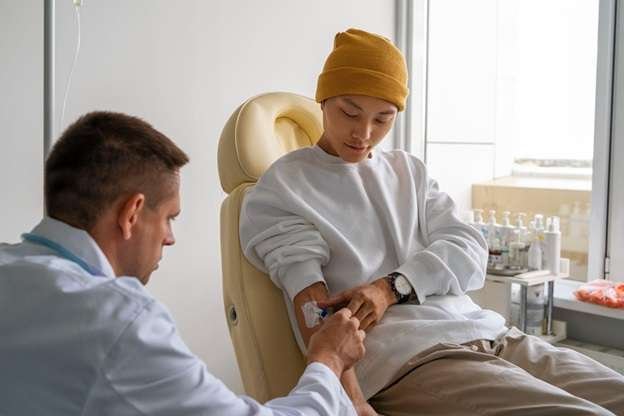
Understanding how HRT works is essential to appreciate its potential benefits. This section breaks down the process of restoring hormonal balance through targeted supplementation and what outcomes you might expect from the therapy.
Restoring Balance
HRT works by supplementing the hormones your body is not producing sufficiently. This process helps restore a more natural balance, alleviating symptoms associated with hormonal decline. The therapy aims to mimic the body’s natural processes as closely as possible by reintroducing these hormones. This restoration of balance is crucial for improving daily functioning and long-term health.
Experiencing Symptom Relief
Many patients notice a significant reduction in symptoms such as hot flashes, night sweats, and mood swings after beginning HRT. The therapy can improve sleep quality and overall energy levels as hormone levels stabilize. Many individuals report a renewed sense of well-being and confidence as symptoms subside. This relief can be an essential step in managing the challenges of aging or hormonal changes.
Long-Term Health Benefits
Beyond immediate symptom relief, HRT may contribute to improved long-term health outcomes. Studies have shown that appropriate HRT can help maintain bone density, reducing the risk of osteoporosis. Additionally, there is evidence that HRT can support cardiovascular health when administered correctly. These benefits underscore the potential of HRT to play a role in managing symptoms and enhancing overall wellness over time.
The Importance of Personalized Treatment
Because hormone levels and needs vary widely among individuals, HRT is most effective when personalized. A tailored treatment plan allows for adjustments in dosage and delivery based on individual hormone levels and health conditions.
Regular monitoring ensures that the therapy remains both safe and effective over time. Working with a knowledgeable healthcare provider is key to achieving the best outcomes with HRT.
Benefits of Hormone Replacement Therapy
This section outlines the various benefits of HRT, emphasizing its role in improving quality of life. The benefits are immediate and may contribute to long-term health improvements, making HRT a comprehensive treatment option.
Relief from Menopause Symptoms
HRT is well-known for its effectiveness in reducing common menopause symptoms such as hot flashes and night sweats. Supplementing declining hormone levels provides relief that can lead to more comfortable daily living.
Many women also experience a reduction in vaginal dryness, which can improve intimacy and overall well-being. These benefits contribute significantly to a better quality of life during the menopausal transition.
Enhancements in Mental Health
For some individuals, HRT can lead to improvements in mood stability and a reduction in symptoms of anxiety and depression. Stabilizing hormone levels helps to create a more balanced emotional state. Many patients report feeling more mentally clear and emotionally resilient after beginning therapy. This can be particularly beneficial during periods of significant hormonal fluctuation.
Supporting Bone Health
One of the long-term benefits of HRT is its positive effect on bone density. Estrogen, in particular, plays a critical role in maintaining healthy bones and reducing the risk of osteoporosis. By maintaining optimal hormone levels, HRT can help protect against bone loss as you age. This benefit is an essential consideration for long-term skeletal health and overall mobility.
Promoting Cardiovascular and Sexual Health
There is evidence that HRT may improve cardiovascular health by maintaining a balance of protective hormones. Some studies also suggest that HRT can enhance sexual health by improving libido and comfort during intimacy.
This dual benefit can help individuals maintain both physical and relational well-being. The holistic nature of HRT means it can address multiple facets of health simultaneously.
Promoting Cardiovascular and Sexual Health
There are various types of HRT available, each designed to address specific hormonal needs. This section explains the different approaches so that you can better understand your options and discuss them with your healthcare provider.
Estrogen Therapy: A Focused Approach for Women
Estrogen therapy is commonly used for women, particularly those who have had a hysterectomy. It involves supplementing the estrogen levels that naturally decline during menopause.
The therapy is typically administered alone or sometimes in combination with other hormones, depending on individual needs. It aims to alleviate common menopausal symptoms and support overall health.
Combination Therapy: Balancing Estrogen and Progesterone
For women with an intact uterus, combination therapy that includes both estrogen and progesterone is often recommended. This approach not only provides relief from menopausal symptoms but also reduces the risk of endometrial hyperplasia. The balanced delivery of both hormones ensures a more comprehensive treatment. This method is tailored to address the complex needs of the female hormonal system.
Testosterone Therapy: Addressing Low Levels
Testosterone therapy is beneficial for individuals, both men and women, who experience low levels of this hormone. It can help improve energy, mood, and sexual function. For men, it often addresses symptoms of andropause, while women may receive it as part of a broader treatment plan. This therapy is carefully calibrated to restore optimal levels without causing adverse effects.
Bioidentical Hormone Replacement Therapy (BHRT): A Natural Option
BHRT uses hormones chemically identical to those the body produces naturally, often derived from plant sources. Some favor this approach for its “natural” profile and potential for fewer side effects. It is tailored to each individual’s needs and monitored to ensure effectiveness. Many patients find BHRT to be a reassuring alternative to traditional synthetic hormones.
Customized Treatments: Tailored to Individual Needs
Every person’s hormonal profile is unique, which is why many healthcare providers design customized HRT plans. This personalized approach ensures the treatment is optimized for safety and effectiveness. Regular monitoring and adjustments are key components of a successful customized plan. Collaborating with your healthcare provider allows for a treatment strategy that evolves with your needs.
What to Expect During HRT Treatment
Before starting HRT, it’s essential to understand the process. This section outlines the typical steps from the initial consultation to ongoing monitoring, ensuring you understand each phase of the treatment journey.
Comprehensive Consultation: Your First Step
The process begins with a detailed consultation with your healthcare provider. You’ll discuss your symptoms, medical history, and concerns during this meeting. This conversation is crucial for determining whether HRT is appropriate for you and the best approach. It lays the foundation for a personalized treatment plan.
Diagnostic Testing: Establishing Your Hormone Levels
After the initial consultation, diagnostic tests—such as blood work—establish your hormone levels. These tests provide objective data that helps in crafting a targeted treatment strategy. Knowing your baseline levels ensures that any subsequent changes can be monitored effectively. This step is critical to customizing your HRT for maximum benefit.
Initiating Therapy: A Gradual Introduction
Once your treatment plan is in place, HRT typically begins with a gradual introduction of hormones. This stepwise approach allows your body to adjust to the changes while minimizing potential side effects. Your healthcare provider will carefully monitor your response and make adjustments as needed. A gradual start is key to finding the optimal balance for your body.
Ongoing Monitoring: Ensuring Continued Success
Regular follow-up appointments and testing are essential components of HRT. These check-ups help ensure that your hormone levels remain stable and that the treatment is effective. Any adjustments can be made over time, keeping the therapy safe and personalized. Ongoing monitoring is a collaborative process between you and your provider to maintain long-term health.
Side Effects and Risks of HRT
While HRT can offer significant benefits, it is also essential to understand the potential side effects and risks. This section provides an objective look at common and more serious concerns so you can make an informed decision.
Recognizing Common Side Effects
Some individuals may experience mild side effects when beginning HRT. These can include breast tenderness, bloating, headaches, or minor mood fluctuations. Such effects are often temporary as your body adjusts to the new hormone levels. Being aware of these common reactions can help you manage expectations during the early stages of treatment.
Understanding the Serious Risks
In rare cases, HRT may be associated with more serious risks, such as an increased likelihood of blood clots, stroke, or certain types of cancer. These risks vary depending on factors such as the type of HRT and individual health profiles. Having a thorough discussion with your healthcare provider about these potential issues is crucial. A careful risk-benefit analysis is essential to ensure that HRT is your right choice.
Personalized Plans for Safety
A key aspect of managing risks with HRT is the personalization of treatment plans. Tailored dosing and regular monitoring can help minimize potential side effects and serious risks. Open communication with your healthcare provider is crucial in making adjustments as needed. This personalized approach ensures that the benefits of HRT outweigh any potential drawbacks for your unique situation.
Final Thoughts
Hormone Replacement Therapy is designed to restore balance and alleviate many of the common symptoms associated with hormonal decline. By supplementing deficient hormones, HRT can help improve mood, energy, and overall health. This treatment has evolved to become more personalized and safer over time. It offers a promising option for those seeking to manage the changes associated with aging or hormonal shifts.
References
- Brown, T., & White, S. (2023). Hormone replacement therapy in menopausal women: An updated review. Journal of Women’s Health, 32(4), 450-459. https://doi.org/10.1089/jwh.2023.0012
- Green, D., Miller, J., & Thompson, R. (2023). Bioidentical hormone replacement therapy: Evaluating clinical outcomes. Journal of Endocrinology & Metabolism, 50(3), 190-198. https://doi.org/10.1016/j.jem.2023.03.005
- Patel, R., Kim, S., & Lee, H. (2023). Testosterone replacement in men: A case series analysis. Journal of Andrology, 25(2), 105-112. https://doi.org/10.1002/jandro.2023.0008