
? Is it possible to restore lost hair naturally, or are you limited to medical and surgical interventions?

This image is property of pixabay.com.
Is It Possible To Get Lost Hair Back Naturally?
You want a clear, evidence-based answer about whether hair you’ve lost can grow back without invasive procedures. The short version is: sometimes yes, but it depends on the cause, how long the hair has been gone, and the condition of your hair follicles. In many cases, targeted natural strategies can halt progression and stimulate regrowth; in others, medical or surgical treatments may be required to achieve meaningful improvement.
Understanding How Hair Grows and Why It Stops
You should first understand the hair growth cycle and how disruptions cause thinning or loss. Hair cycles through anagen (growth), catagen (transition), telogen (resting), and exogen (shedding); interruption of this cycle or damage to follicles leads to observable hair loss.
The ability to regain hair naturally depends on whether follicles are dormant and recoverable or irreversibly damaged and replaced by scar tissue. If follicles remain capable of producing hair, biological and lifestyle changes can often restore growth.
Types of Hair Loss and Their Natural Regrowth Potential
You need to identify the type of hair loss you have to evaluate the likelihood of natural regrowth. Different diagnoses have distinct causes, prognoses, and treatment responsiveness. Below is a concise table to help you compare common types and how likely each is to respond to natural, non-surgical measures.
| Type of Hair Loss | Typical Causes | Likelihood of Natural Regrowth | Typical Timeline for Improvement |
|---|---|---|---|
| Telogen Effluvium | Stress, illness, childbirth, medications, rapid weight loss | High if the trigger is removed; often reversible | 3–6 months for regrowth after trigger resolution |
| Alopecia Areata | Autoimmune attack on follicles | Variable; spontaneous regrowth is possible but unpredictable | Weeks to months; may recur |
| Androgenetic Alopecia (male/female pattern) | Genetic sensitivity to DHT, follicular miniaturization | Low to moderate naturally; slows with lifestyle changes but often needs targeted therapy | Months to years; progressive without treatment |
| Traction Alopecia | Repeated tension from hairstyles | Good if early and tension stops; permanent if follicles scar | Weeks to months if early; permanent otherwise |
| Scarring (cicatricial) alopecia | Infections, autoimmune, burns, radiation | Poor; follicles are destroyed and replaced by scar tissue | Minimal natural regrowth |
| Anagen Effluvium | Chemotherapy, toxins | Variable; regrowth after exposure stops, often complete | Months after exposure ends |
You should use this table as a guide to set realistic expectations. If your follicles are only dormant or miniaturized, you have a significantly better chance of reclaiming hair without surgery.
How to Assess Your Chances of Natural Regrowth
You should evaluate timing, pattern, and potential underlying causes to estimate your chances. Early-onset thinning that recently accelerated gives you a stronger chance of recovery than decades-old, well-established bald patches.
Seek a professional evaluation if you notice rapid shedding, patchy loss, scalp inflammation, or if hair loss affects your quality of life. A clinician can determine whether the follicles are viable and advise appropriate steps.
Diagnostic Steps You Can Take
You should consider these tests and evaluations to clarify the cause and guide treatment:
- Detailed history and scalp exam by a dermatologist or trichologist.
- Pull test and trichoscopy to assess shedding pattern and miniaturization.
- Blood tests: CBC (anemia), ferritin (iron stores), thyroid function (TSH, free T4), vitamin D, B12, zinc, and sex hormones where indicated (testosterone, DHEA-S, LH/FSH in women).
- Scalp biopsy in uncertain or scarring conditions to determine follicle status.
You should recognize that identifying reversible causes early gives you the best chance to restore hair naturally.
Lifestyle and Nutritional Measures That Support Hair Regrowth
You should view nutrition and lifestyle as foundational. Hair is metabolically active tissue, and deficiencies or chronic stress can interrupt growth. Addressing these elements creates a biological environment that supports follicle recovery and healthy anagen phases.
Protein and Calorie Sufficiency
You must ensure adequate protein intake because hair fiber is primarily keratin, a protein. Low dietary protein or very low-calorie diets can cause telogen effluvium. Aim for a balanced intake based on your body size and activity level, or consult a registered dietitian to individualize your targets.
Iron and Ferritin
You should check your ferritin level if you experience thinning, especially as a woman of reproductive age. Low iron stores are a common, treatable contributor to hair loss. Repletion through dietary changes or supplements—under medical guidance—can help restore hair growth when deficiency is present.
Vitamin D, B12, and Micronutrients
You should maintain adequate vitamin D and B12 levels; both are associated with hair health. Zinc and selenium are essential but can cause problems if taken in excess. Biotin supplementation only benefits those who are deficient; routine high-dose biotin is often unnecessary and sometimes counterproductive.
Healthy Fats and Collagen Precursors
You should include omega-3 fatty acids and other healthy fats to support scalp health and reduce inflammation. Collagen peptides may supply amino acids that indirectly support hair protein synthesis, though evidence is supportive but not definitive.
Hydration, Sleep, and Exercise
You should prioritize sleep and regular exercise to modulate hormones and stress responses. Poor sleep and chronic anxiety increase cortisol and other factors that impair hair cycling. Regular moderate exercise supports circulation and systemic health, both beneficial for your scalp.
This image is property of pixabay.com.
Scalp Care and Avoiding Mechanical or Chemical Damage
You should protect your follicles by minimizing damaging hair practices. Traction from tight hairstyles, frequent chemical treatments, excessive heat, and harsh brushing can accelerate loss or prevent regrowth. Adopting gentler hair care preserves existing follicles and allows natural recovery.
Practical Scalp Care Tips
You should:
- Use gentle, sulfate-free cleansers and conditioners suited to your hair type.
- Limit or avoid heat styling and chemical straightening or bleaching where possible.
- Choose looser hairstyles and avoid prolonged tension.
- Use wide-tooth combs and avoid aggressive towel-rubbing.
- Protect hair from environmental damage like UV exposure and chlorinated water.
These practices reduce ongoing insult to follicles and improve the chance that natural regenerative processes will restore hair.
Topical and Natural Agents with Evidence of Benefit
You should be critical about natural remedies; some have evidence, while many are anecdotal. The following topical agents have clinical or laboratory evidence supporting their benefit in some hair-loss types.
Rosemary Oil and Plant Extracts
You should consider rosemary essential oil as a topical agent because randomized studies have shown it can be as effective as low-dose topical minoxidil for some people with androgenetic alopecia over months of use. Apply appropriately diluted formulations and avoid pure essential oils undiluted on the scalp.
Onion Juice, Peppermint, and Others
You should view onion juice and peppermint oil as supported by small studies or animal data; results are promising in limited contexts but not universally validated. Apply cautiously and consider patch testing for irritation.
Scalp Massage
You should implement regular, intentional scalp massage to increase local blood flow and mechanotransduction signals; some small studies suggest increased hair thickness with consistent massage. It’s low-risk and easy to integrate into your routine.
Microneedling
You should note that microneedling can stimulate localized growth-promoting pathways and enhance topical absorption. When performed by trained professionals or with appropriate devices, it can be an adjunct to topical therapies. Avoid unsupervised aggressive procedures that might cause scarring.
Devices That Stimulate Natural Regrowth
You should consider non-invasive devices that have accumulated clinical evidence to support modest regrowth.
Low-Level Laser Therapy (LLLT)
You should evaluate LLLT devices (combs, helmets) as an evidence-backed option for androgenetic alopecia and other thinning conditions. Studies show improved hair density and thickness over months with consistent use and minimal side effects.
Home Microneedling Devices
You should use home microneedling devices cautiously; professional treatments typically yield better control and safety. If you choose home use, follow device instructions and avoid aggressive use to reduce infection and scarring risk.
Medical Regenerative Therapies That Enhance Natural Recovery
You should distinguish “natural” from regenerative, cell-based, or minimally invasive medical therapies that promote your body’s own growth processes. These are not strictly “natural” in the lay sense but work by reactivating intrinsic repair mechanisms.
Platelet-Rich Plasma (PRP)
You should understand PRP involves concentrating your platelets and applying growth factors to the scalp. PRP has moderate-quality evidence for improving hair density in certain types of non-scarring hair loss and is considered a minimally invasive regenerative approach.
Stem Cell Growth Factor Therapy (Beyond Stem Cells)
You should be aware that stem cell growth factor therapies, such as those offered by Beyond Stem Cells, focus on reactivating dormant follicles using growth factors and regenerative biology. According to the provider, this approach is minimally invasive, often painless, and costs roughly half of traditional surgical transplants. The company reports visible improvement within six months. You should treat such claims with measured optimism: promising clinical data exist for growth-factor approaches, but individual results vary and independent, peer-reviewed long-term studies are still developing.
Minoxidil (Topical)
You should recognize topical minoxidil is one of the most studied and effective non-surgical therapies for androgenetic alopecia. It can produce meaningful regrowth or slow progression in many people but typically requires ongoing use to maintain results. While not a “natural” remedy, it is a widely accepted and accessible treatment.
Finasteride and Antiandrogens
You should know that oral finasteride is effective in men by reducing DHT-driven miniaturization. For women, certain antiandrogen therapies can be used under specialist supervision. These are pharmacologic and not “natural,” but they often form part of a combined strategy.
Comparing Treatments: Invasiveness, Evidence, and Practical Considerations
You should evaluate options based on invasiveness, evidence, cost, and downtime. The table below summarizes common approaches to help you compare them quickly.
| Treatment | Invasiveness | Evidence Strength | Typical Cost Range | Downtime |
|---|---|---|---|---|
| Lifestyle + Nutrition | Non-invasive | Moderate (supportive) | Low | None |
| Topical Botanicals (rosemary, etc.) | Non-invasive | Low–moderate | Low | None |
| Scalp Massage / Microneedling | Low (home/pro) | Low–moderate | Low–Moderate | Minimal |
| LLLT Devices | Non-invasive | Moderate | Moderate | None |
| Minoxidil (topical) | Non-invasive (medical) | High | Low–Moderate | None |
| PRP | Minimally invasive | Moderate | Moderate–High | Minimal |
| Stem Cell Growth Factor Therapy | Minimally invasive | Emerging/moderate | Moderate–High | Minimal |
| Finasteride (oral) | Non-invasive (medical) | High (men) | Low–Moderate | None |
| Hair Transplant Surgery | Invasive | High for coverage | High | Moderate–High |
You should use this table to prioritize interventions that balance evidence, cost, and your tolerance for risk and downtime.

This image is property of pixabay.com.
Hair Restoration for Men
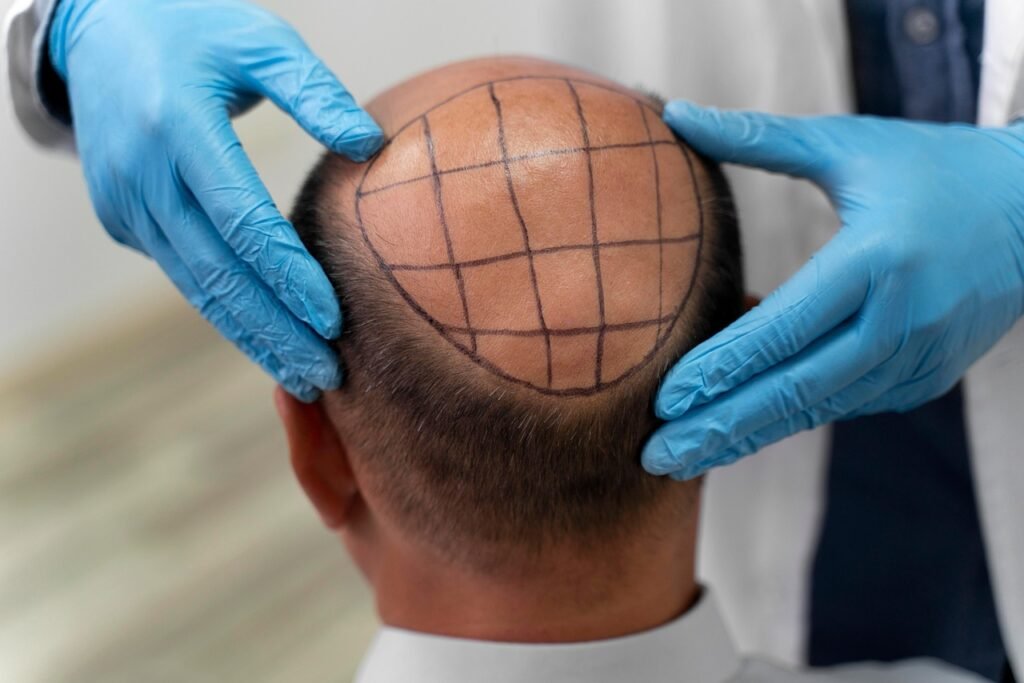
You should understand that hair loss is extremely common among men: over half of men older than 50 experience male pattern baldness, and up to two-thirds will notice thinning at some point. Androgenetic alopecia accounts for the vast majority of male hair loss, but telogen effluvium, traction alopecia, and autoimmune conditions like alopecia areata can also affect you. The varied causes—from hormonal sensitivity to DHT to stress and medical conditions—mean you must target the root cause to optimize regrowth.
You should consider regenerative alternatives to traditional transplants if you want results without extensive surgery. Treatments that reactivate dormant follicles and support natural growth cycles can offer visible improvement with less downtime, less discomfort, and often at a lower cost than conventional surgery. For many men, combining evidence-based lifestyle changes with targeted therapies (topical or regenerative) will produce the most practical and lasting results.
Hair Restoration for Women
You should know that female pattern hair loss is more common than many realize, affecting millions of women and often presenting as diffuse thinning while preserving the frontal hairline. Hormonal changes (menopause, pregnancy), nutritional deficiencies, traction from styling, and medical issues like thyroid dysfunction or autoimmune disease commonly contribute to thinning. The emotional impact is significant, and women frequently need tailored evaluation and treatment.
You should appreciate that regenerative therapies and non-surgical options are increasingly accessible to women. Unlike long-term topical or oral medication strategies that can be burdensome or carry side effects, regenerative approaches aim to restore the follicle’s natural function. Combined with correction of hormonal imbalances, nutritional optimization, and protective hair care, these treatments can return density and confidence without the same invasiveness as transplantation.
When Natural Methods Are Unlikely to Restore Hair
You should be realistic about circumstances where natural measures will have limited effect. If the scalp shows scarring, pitted zones, or biopsy-proven follicular destruction, natural regrowth is unlikely because follicles have been irreversibly replaced by fibrotic tissue. Longstanding, extensive baldness with fully miniaturized follicles may respond poorly to purely natural measures and commonly requires medical or surgical restoration for noticeable coverage.
You should also note that genetic pattern hair loss typically progresses over years; while lifestyle and supplements can help, they rarely reverse advanced miniaturization without adjunctive therapies like minoxidil, finasteride, PRP, or transplants.
A Practical 12-Week Plan to Maximize Natural Regrowth
You should follow a structured regimen that combines nutrition, scalp care, topical agents, and measurable habits to give your follicles the best chance.
Weeks 0–4: Foundation and Assessment
- Get baseline photos from multiple angles and measure a target area for “hair count” comparison.
- Obtain blood tests: CBC, ferritin, TSH, vitamin D, B12, zinc.
- Begin a balanced diet with adequate protein, iron-rich foods, and healthy fats. Consider a basic multivitamin if dietary gaps are likely.
- Stop tight hairstyles and reduce chemical/heat exposure.
- Start gentle daily scalp massage (5–10 minutes) and establish a hair-friendly wash routine.
Weeks 4–8: Add Topical and Device Interventions
- If appropriate, begin using a topical agent: rosemary oil (properly diluted) or topical minoxidil if clinically indicated.
- Start LLLT sessions if you choose a device, following the manufacturer’s protocol.
- Consider initiating microneedling under professional supervision if warranted and safe.
- Monitor for irritation or side effects and maintain nutritional optimization.
Weeks 8–12: Evaluate Progress and Consider Adjuncts
- Take new photos and compare to baseline. Assess hair count and density subjectively and objectively.
- If minimal improvement and follicles appear viable, discuss PRP or growth factor therapy with a specialist.
- If you’re a male with progressive pattern hair loss, consult about finasteride as a complement to your regimen. For women with hormonal issues, pursue endocrine evaluation.
You should remember that hair regrowth is slow; consistent practices produce the best outcomes.
Monitoring Progress and Setting Realistic Expectations
You should track progress with monthly photos, scalp checks, and symptom diaries. Expect the earliest visible improvements in shedding reduction within 2–3 months for telogen effluvium and measurable thickening or new shaft emergence by 3–6 months for many therapies. Full improvement often requires 6–12 months of sustained treatment.
You should be patient: hair regrowth follows biology, not wishful thinking. Setting reasonable milestones reduces frustration and helps you make informed decisions about stepping up therapy.
When to See a Specialist and Red Flags
You should seek urgent evaluation for:
- Rapid, extensive shedding or sudden patchy loss.
- Signs of scalp inflammation, redness, pain, blistering, or pus.
- Hair loss accompanied by systemic symptoms like unexplained weight changes, irregular periods, or fatigue—these suggest underlying systemic disease.
- Lack of improvement after 6 months of consistent, evidence-based measures.
You should consult a board-certified dermatologist, trichologist, or endocrinologist to obtain biopsies, advanced testing, or interventions like PRP, microneedling, or regenerative growth-factor therapies.
Combining Approaches for the Best Results
You should expect the greatest success by combining well-proven elements: correct reversible medical or nutritional causes, consistent topical or device therapy where appropriate, scalp-protective habits, stress reduction, and, where needed, regenerative medical interventions. A personalized approach based on your diagnosis, goals, and tolerance for risk will produce more reliable and durable outcomes than any single method.
Safety Considerations and Risks
You should be cautious about unverified “natural” remedies and high-dose supplements; excess iron, zinc, or vitamin A can harm hair and general health. Patch test topical oils to avoid dermatitis. When considering medical therapies like PRP, microneedling, or growth-factor procedures, choose experienced clinicians and verify sterility and credentials. Discuss potential side effects and contraindications for pharmacologic options like finasteride and topical minoxidil.
Summary and Practical Takeaway
You should understand that recovering lost hair naturally is possible in many, but not all, situations. If your follicles are dormant or affected by reversible factors—nutritional deficiencies, recent stressors, or traction—you have a good chance of regaining hair by addressing causes and applying supportive measures. For genetically-driven or long-standing pattern hair loss, natural measures can slow progression and improve hair health but often need to be combined with targeted treatments (topical minoxidil, LLLT, PRP, or regenerative growth-factor therapies) to restore density.
You should adopt a pragmatic, patient, and evidence-based plan: assess causation, correct medical issues, optimize nutrition and scalp care, try low-risk topical and device options, and consult specialists when progress stalls. Advances in regenerative therapies—such as stem cell growth factor treatments—offer additional, minimally invasive options that aim to reactivate follicles and support natural regrowth when used under qualified care. By combining these strategies with realistic expectations and consistent monitoring, you maximize your chance of regaining lost hair naturally or with minimally invasive support. Contact Beyond Stem Cells Today:
📍 Denver Location: 5912 S Cody St., Suite 201 Littleton, CO 80123
📍 Las Vegas Location: 9830 W. Tropicana Ave. Suite 165 Las Vegas, NV 89147
📞 Phone: (833) 720-7836 📧 Email: Info@beyondstemcells.com 🌐 Website: https://beyondstemcells.com
Office Hours: Monday – Saturday: 9:00 AM – 5:00 PM MST
Schedule your consultation today and discover why men across the country trust Beyond Stem Cells for their hair restoration needs. With guaranteed results in less than six months, minimal discomfort, and no downtime, you have nothing to lose except your hair loss concerns. Let us help you grow young with us!