
Plantar Fasciitis Treatment in Denver: Non-Surgical Options for Persistent Heel Pain
What Is the Best Treatment for Plantar Fasciitis?
The right treatment depends on the diagnosis, symptom duration, severity, activity level, mechanics, health history, and prior treatment. Initial care commonly includes targeted stretching, load modification, supportive footwear, taping, strengthening, and rehabilitation. Persistent symptoms may warrant evaluation for shockwave therapy, PRP, or another non-surgical option.
Plantar Fasciitis Care for the Denver Metro Area
Beyond Stem Cells is physically located at 5912 S Cody St, Suite 201, Littleton, CO 80123. The clinic serves patients from Denver and surrounding metro communities.
Patients seek evaluation for first-step heel pain, persistent plantar fasciitis, plantar fasciopathy, and symptoms that have not improved enough with stretching, footwear changes, rehabilitation, orthoses, or other initial measures.
Depending on the diagnosis, options may include shockwave therapy, PRP, rehabilitation guidance, activity modification, and biomechanical support. Not every patient needs a procedure.
Morning Heel Pain Is a Common Sign
You step out of bed and feel a sharp pain under your heel. The first steps are the worst. The discomfort may ease as your foot warms up, only to return after standing, walking, working, running, or exercising.
This pattern is commonly associated with plantar fasciitis, a frequent cause of pain under the heel. Colorado activities such as running, hiking, skiing, and recreational sports can place significant demands on the feet, particularly after abrupt increases in activity.
Not every case of heel pain is plantar fasciitis. Stress injury, nerve irritation, Achilles disorders, heel-pad problems, arthritis, and referred pain can produce similar symptoms.
What Is Plantar Fasciitis?
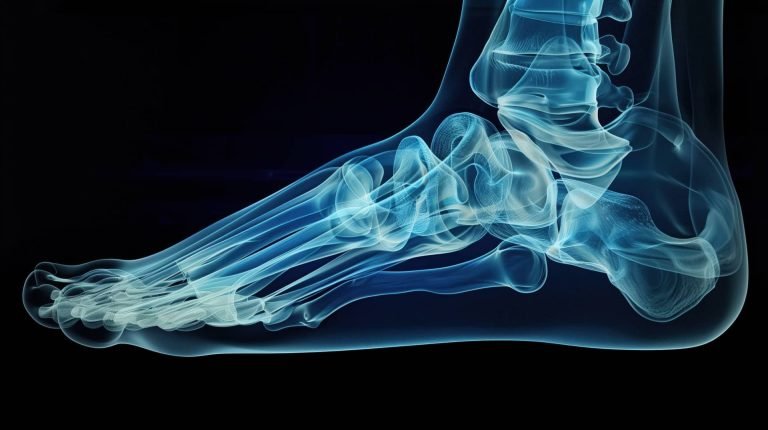
The plantar fascia is a strong band of connective tissue extending from the heel toward the toes. It supports the arch and helps manage forces during standing, walking, and running.
Plantar fasciitis is a clinical term commonly used for heel pain associated with this tissue. Symptoms are often most noticeable after rest because the first steps place tension through a sensitive area.
Persistent cases may involve a combination of pain sensitivity, altered tissue structure, and reduced load tolerance. Clinicians sometimes describe this as plantar fasciopathy. This does not mean that every case is identical or that conservative treatment cannot work.
“A useful heel-pain plan considers the diagnosis, tissue load, footwear, mobility, strength, activity goals, and prior treatment response.”
Common Signs of Plantar Fasciitis
- Pain under the heel during the first steps in the morning.
- Pain after sitting or resting for an extended period.
- Tenderness near the bottom of the heel or into the arch.
- Pain after prolonged standing, walking, running, or hiking.
- Stiffness that may ease as the foot warms up.
- Symptoms that return later in the day or after activity.
Who Commonly Develops It?
Contributing factors may include rapid increases in running or walking, prolonged standing, limited calf mobility, footwear changes, altered mechanics, reduced strength, changes in body load, or returning to activity after time away.
Denver-Area Activities That Can Aggravate Heel Pain
- Increasing running or walking mileage too quickly.
- Hiking steep or uneven Front Range trails.
- Standing for long shifts on hard surfaces.
- Returning to sports too quickly after time away.
- Wearing unsupportive footwear.
- Limited calf or Achilles mobility.
- Sudden changes in activity or body load.
- Returning to outdoor activity after a less active winter.
Initial Treatment Options
Initial care may include several complementary strategies instead of relying on one treatment alone.
Common Components of Initial Care
- Plantar-fascia-specific and calf stretching.
- Activity or load modification rather than automatically stopping all movement.
- Taping for short-term support.
- Supportive footwear or orthoses when appropriate.
- Foot, ankle, calf, and lower-extremity strengthening.
- Physical therapy or guided rehabilitation.
- A gradual return to activity.
- Short-term symptom management when medically appropriate.
Shockwave Therapy for Persistent Heel Pain
Shockwave therapy, also called extracorporeal shockwave therapy, is a non-surgical procedure that applies acoustic energy to the symptomatic area. It may be considered for selected patients whose heel pain has persisted despite appropriate initial care.
What to Know About Shockwave Therapy
- Acoustic energy is applied through the skin with a handheld device.
- It may stimulate a local biological response and affect pain signaling.
- Patients may feel tapping, pressure, or temporary discomfort.
- Temporary tenderness can occur afterward.
- Multiple sessions may be recommended, depending on the protocol and response.
- Improvement is not guaranteed, and activity guidance varies.
PRP for Persistent Plantar Fasciitis
Platelet-rich plasma, or PRP, is prepared from a sample of the patient's blood and administered by injection to the selected treatment area. It is intended to support a tissue-repair response but is not appropriate for every patient, and outcomes vary.
PRP and corticosteroid injections have different purposes, benefits, limitations, and risks. Corticosteroids are generally intended to reduce pain and inflammation, while PRP is intended to support a tissue response. A qualified provider should determine whether either approach is appropriate.
PRP May Be Discussed If You…
- Have persistent heel pain despite an appropriate course of initial care.
- Have undergone an evaluation to confirm the likely diagnosis.
- Understand that results are not immediate or guaranteed.
- Can follow post-injection activity and rehabilitation guidance.
- Have reviewed your medical history, medications, risks, and alternatives.
Comparing Treatment Options
| Treatment | Purpose | When Considered | Important Considerations |
|---|---|---|---|
| Activity modification | Reduces aggravating load | Early and persistent care | Complete inactivity is not always needed |
| Stretching and strengthening | Improves mobility and capacity | Common foundation | Requires consistent, gradual progression |
| Taping or orthoses | Modifies mechanical load | When support may help | Should be individualized |
| Medication | Short-term symptom relief | When medically appropriate | Discuss risks and interactions |
| Corticosteroid injection | May reduce pain and inflammation | Selected cases | Repeated use can carry tissue-related risks |
| Shockwave therapy | Applies acoustic energy | Persistent heel pain | May require multiple sessions; outcomes vary |
| PRP injection | Supports a tissue response | Selected persistent cases | Evidence and outcomes vary |
| Surgical evaluation | Assesses operative options | After adequate non-surgical care | Carries surgical risks and recovery |
What a Consultation May Include
- Review of symptoms and medical history.
- Discussion of activity, work demands, footwear, and prior treatment.
- Physical evaluation of the heel, foot, calf, and ankle.
- Gait or biomechanical assessment when appropriate.
- Review of imaging or referral for imaging when indicated.
- Discussion of conservative and procedural options.
- Individualized treatment and activity recommendations.
- Follow-up and response monitoring.
📍 Plantar Fasciitis Treatment for Denver-Area Patients
Beyond Stem Cells is physically located in Littleton. These are communities served—not additional clinic locations. Appointment availability and travel time vary.
Frequently Asked Questions
What does plantar fasciitis feel like?
Plantar fasciitis commonly causes pain under the heel, especially during the first steps in the morning or after sitting. Pain may return after prolonged standing, walking, or exercise.
How long does plantar fasciitis take to improve?
Improvement time varies according to the diagnosis, symptom duration, activity, contributing mechanics, health history, and treatment consistency.
Is shockwave therapy painful?
Patients may feel tapping, pressure, or temporary discomfort. Tolerance varies, and temporary tenderness may occur after treatment.
How is PRP different from a cortisone injection?
Corticosteroid injections are generally intended to reduce pain and inflammation. PRP uses components prepared from the patient's blood and is intended to support a tissue-repair response. Each has different potential benefits and risks.
Does plantar fasciitis require surgery?
Many cases can be managed without surgery. Surgical evaluation is generally considered after diagnosis confirmation and an adequate course of appropriate non-surgical care.
Where can I find plantar fasciitis treatment near Denver?
Beyond Stem Cells offers plantar-fasciitis evaluations and non-surgical options at 5912 S Cody St, Suite 201, in Littleton, Colorado, serving Denver-area patients.
Still Dealing With Plantar Fasciitis or Morning Heel Pain?
If stretching, footwear changes, activity modification, or other initial care has not provided enough relief, a consultation can help identify the likely cause and discuss appropriate options.
Schedule a Heel-Pain Consultation →