
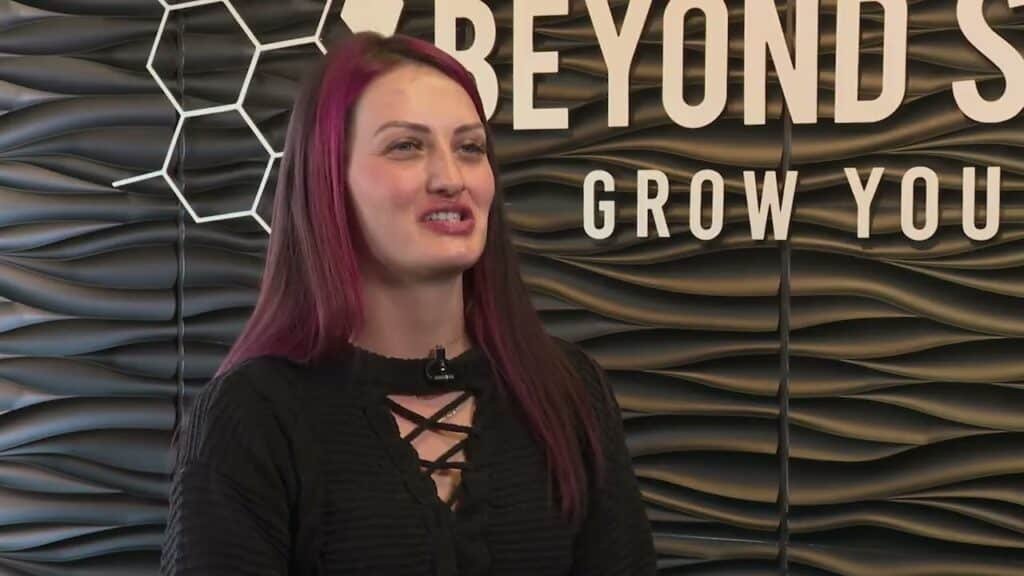
Renewal and Wellness at Beyond Stem Cells Med Spa invites you to explore how regenerative medicine and stem cell therapy can restore vitality and reduce discomfort. A video by Beyond Stem Cells Medical Spa showcases signature treatments, patient experiences, and the clinic’s clinical approach.
This article outlines services offered through Beyond Stem Cells Regenerative Medicine & Stem Cell Therapy, explains how treatments work, and reviews safety and expected results so you can make informed choices. You will also find practical guidance on preparing for a visit and what to expect during recovery.
About Beyond Stem Cells Med Spa
Beyond Stem Cells Med Spa is presented to you as a hybrid clinic that blends medical spa aesthetics with regenerative medicine. You’ll find that the brand positions itself around renewal, recovery, and longer-term wellness rather than quick cosmetic fixes alone. The clinic’s public materials and in-clinic messaging are designed to welcome you into a calm, clinical environment where therapies are described with both empathy and a focus on measurable outcomes.
Founding mission and vision focused on renewal and wellness
The clinic’s founding mission centers on helping you restore function, appearance, and overall vitality through therapies that support natural regeneration. The vision emphasizes proactive wellness — treating aging, injury, and chronic degeneration not just cosmetically but in ways that aim to improve how you move, feel, and age. You’re invited to think of treatment as part of a broader lifestyle approach rather than a one-off cosmetic event.
Overview of facilities and clinic locations
Beyond Stem Cells typically describes modern, clean facilities that combine medical exam rooms, procedure suites, and comfortable spa-like recovery spaces. If you visit, you can expect clear signage, private consultation rooms, and equipment for both aesthetic and regenerative procedures. The clinic operates across one or more locations, with each site tailored to local patient volumes and services; you should check locally for the exact address and hours when you decide to book an appointment.
Combination of medical spa aesthetics and regenerative medicine
What sets the clinic apart for you is the combined offering: cosmetic treatments like skin rejuvenation and injectables are delivered alongside regenerative therapies such as stem cell–based options, exosomes, and platelet-rich plasma. This integration allows you to pursue aesthetic goals while simultaneously addressing tissue health and repair. The two disciplines are presented as complementary — aesthetic work for appearance and regenerative medicine for deeper structural and functional improvements.
Unique value propositions compared to traditional med spas
Compared to a traditional med spa, Beyond Stem Cells highlights deeper diagnostic assessment, access to biologic therapies, and personnel comfortable with both cosmetic and regenerative treatments. For you, that means a focus on outcomes — not only looking better but also improving pain, mobility, or tissue resilience. The clinic emphasizes individualized plans, advanced injection techniques, and often a more medicalized standard of care than a purely cosmetic spa.
Video and multimedia presence introducing the clinic
Beyond Stem Cells uses video and multimedia to introduce you to its philosophy, staff, and procedures. You’ll likely see clinic tours, practitioner interviews, procedure explanations, and patient testimonials that help demystify treatments. These materials are useful for understanding what to expect during a visit and for making an informed decision; they often show safety measures, step-by-step procedure outlines, and before-and-after narratives that make the clinic’s services more approachable.
Philosophy of Renewal and Wellness
The clinic’s philosophy frames aging and recovery as processes that can be supported, optimized, and in many cases partially reversed through targeted interventions. You’re encouraged to view wellness as a continuous, proactive pursuit where regenerative therapies play an important role alongside lifestyle choices and medical management.
Holistic approach to aging, recovery, and vitality
Beyond Stem Cells advocates a holistic perspective where physical therapies, nutrition, sleep, stress management, and targeted medical interventions all contribute to your outcome. The clinic positions regenerative treatments as one pillar of a multi-faceted strategy aimed at restoring function and promoting vitality, rather than as isolated fixes. You’re guided to consider how treatments fit into broader health goals.
Emphasis on natural regeneration and evidence-based care
The clinic stresses therapies intended to harness or augment your body’s natural repair mechanisms. While promoting regenerative approaches, they also emphasize evidence-based care — using protocols informed by clinical research, practitioner experience, and measurable outcomes. You’ll hear balanced messaging that highlights potential benefits while acknowledging that research is evolving.
Balancing aesthetics with functional health outcomes
Beyond Stem Cells aims to balance cosmetic enhancement with improvements in functional health. For you, this means that aesthetic procedures are offered in the context of preserving or improving tissue health, while regenerative interventions are calibrated to produce both symptomatic relief and better appearance where relevant. The intent is to align your cosmetic goals with longer-term functional benefits.
Patient-centered care and long-term wellness planning
The clinic’s approach is patient-centered: treatments are individualized, risks and benefits are discussed openly, and follow-up care is emphasized. You’ll be invited to engage in long-term wellness planning that may include staged regenerative procedures, preventive measures, lifestyle changes, and coordination with your primary care or specialists. The aim is to create sustainable improvements rather than temporary fixes.
Core Services Offered
Beyond Stem Cells provides an array of services that span regenerative medicine and medical aesthetics. The clinic’s menu is designed so you can pursue integrated plans that address pain, mobility, skin health, and aesthetics in a coordinated manner.
Regenerative medicine consultations and treatments
Your journey often begins with a regenerative medicine consultation where providers assess your history, goals, and diagnostic data to recommend appropriate therapies. Treatments may include biologic injections, guided joint or soft-tissue therapies, and tailored rehabilitation plans. Consultations typically cover candidacy, expected outcomes, risks, and alternatives.
Stem cell therapies and exosome treatments
The clinic offers stem cell–related therapies and exosome preparations aimed at supporting tissue repair. These services are presented as options for musculoskeletal conditions, some dermatologic issues, and other applications depending on local regulatory allowances. You’ll be given detailed explanations about the source of biologics, intended mechanisms, and what to expect during recovery.
Medical aesthetics including injectables and skin rejuvenation
For aesthetic goals, you can access neuromodulators, dermal fillers, chemical peels, microneedling, and advanced skin-rejuvenation protocols. Providers combine cosmetic expertise with an understanding of tissue health to deliver natural-looking results. Procedures are tailored to your facial anatomy and aesthetic objectives, with attention to safety and longevity.
Platelet-rich plasma (PRP) and microneedling combos
PRP and microneedling are frequently offered as combination protocols to stimulate collagen production and improve skin texture, hair growth, and scar appearance. You’ll typically have blood drawn for PRP preparation, followed by controlled microneedling or injection to deliver the concentrated growth factors to targeted areas. Results develop gradually over weeks to months.
Laser therapies, body contouring, and noninvasive procedures
The clinic provides laser-based skin resurfacing, hair removal, pigmentation treatments, and energy-based body-contouring options. These noninvasive or minimally invasive therapies are used alone or combined with regenerative treatments to enhance outcomes. Expect pre-procedure assessments, tailored treatment settings for your skin type, and post-procedure care instructions.
Regenerative Medicine and Stem Cell Therapy Explained
This section gives you a grounded, approachable explanation of what stem cells and regenerative therapies are, how they work, and what realistic expectations you should hold.
Basic science behind stem cells and tissue regeneration
Stem cells are cells with the capacity to differentiate into multiple cell types and to secrete signaling molecules that influence tissue repair. In regenerative medicine, the goal is to harness those properties — either by introducing cells or cell-derived products, or by stimulating local repair — to replace damaged tissue, reduce inflammation, and promote healing. You should understand that many therapies rely as much on signaling and immunomodulation as on new cell formation.
Types of stem cell products and exosomes used in the clinic
Clinics like Beyond Stem Cells may use a range of biologic products, including autologous therapies (derived from your own tissues such as bone marrow or adipose tissue), allogeneic products (donor-derived), and exosome preparations (cell-secreted vesicles that carry signaling proteins and RNAs). Each product type has different regulatory, safety, and mechanism-of-action considerations, which you’ll want explained during your consultation.
Mechanisms of action for musculoskeletal and dermatologic applications
In musculoskeletal applications, biologics can reduce inflammation, modulate immune response, and promote local tissue repair in tendons, ligaments, cartilage, and joints. For dermatologic use, therapies may stimulate collagen synthesis, improve vascularization, and alter the local microenvironment to support skin regeneration. Outcomes depend on diagnosis, product selection, technique, and your individual biology.
Expected timelines for tissue repair and symptom improvement
You can generally expect a gradual improvement timeline. Early symptom relief may occur within days to weeks due to anti-inflammatory effects, while tissue remodeling and structural repair often develop over months. Many protocols call for staged treatments and follow-up assessments at 4–12 weeks and beyond to monitor progress. Providers should give you a realistic timeline for your specific condition.
Common misconceptions and science-based clarifications
A few common misconceptions include believing stem cell therapies are instant cures, universally effective, or without risks. Science-based clarifications emphasize that outcomes vary, evidence is still maturing for many indications, and no intervention is risk-free. Treatments aim to improve probabilities of recovery, not guarantee restoration to a pre-injury state. Your provider should discuss evidence levels and alternative treatments openly.
Innovative Procedures and Technologies
Beyond Stem Cells highlights a suite of advanced techniques and technologies designed to improve precision, safety, and outcomes for regenerative and aesthetic care.
Advanced injection techniques for targeted regeneration
The clinic uses precise injection approaches to place biologics where they can be most effective — for example, into specific joint compartments, tendon insertion sites, or dermal layers. Techniques may include depot injections, multiple-site targeting, and use of specialized needles or delivery systems intended to maximize local concentration and minimize systemic exposure.
Use of imaging guidance for joint and soft tissue procedures
You’ll often find procedures performed under ultrasound or fluoroscopic guidance to enhance accuracy. Imaging guidance helps the practitioner visualize anatomy in real time, avoid critical structures, and ensure the biologic is delivered to the intended target. This improves safety and may increase the likelihood of clinical benefit compared with blind injections.
State-of-the-art lasers and energy-based skin treatments
The clinic employs modern laser and energy devices for resurfacing, tightening, and vascular or pigmentary corrections. These tools are selected based on your skin type and goals, and settings are carefully titrated to balance efficacy with safety. The clinic’s approach often integrates energy-based treatments with regenerative therapies to improve tissue quality.
Combination therapies to amplify regenerative outcomes
Combination strategies — such as PRP plus microneedling, exosomes with laser resurfacing, or stem-cell–based injections combined with targeted rehab — are used to create synergistic effects. The clinic tailors combinations to your condition, aiming to amplify repair signals, reduce inflammation, and enhance structural remodeling beyond what a single modality might achieve.
Ongoing technology evaluation and incorporation of new tools
Clinics committed to regenerative medicine continually evaluate emerging tools and adopt those with credible evidence and safety profiles. You can expect ongoing assessment of novel devices, biologics, and techniques, balanced by a cautious approach that prioritizes patient safety and measurable benefit.
Patient Experience and Consultation Process
The clinic frames the patient experience around careful evaluation, shared decision-making, and continuity of care. From your first contact to follow-up, the process is structured to align treatment with your goals and medical needs.
Initial evaluation and medical history review
Your first visit typically involves a thorough medical history, review of prior imaging or records, discussion of symptoms and goals, and screening for contraindications. The provider will ask about medications, prior procedures, systemic illnesses, and expectations to determine the safest and most appropriate options for you.
Diagnostic testing, imaging, and functional assessments
To form a clear treatment plan, the clinic may order diagnostic tests such as X-rays, MRI reviews, ultrasound imaging, or laboratory work. Functional assessments — range of motion, strength testing, gait analysis — help quantify impairment and set baseline metrics so progress can be objectively monitored.
Shared decision-making and informed consent process
You’ll engage in shared decision-making where benefits, risks, alternatives, and realistic outcomes are discussed. Informed consent documents outline procedure details, potential complications, and post-procedure instructions. The clinic should ensure you have time to ask questions and to decline or postpone treatment if you wish.
Designing personalized treatment pathways
Based on evaluation, providers design personalized pathways that may include single or staged biologic injections, combined aesthetic-regenerative procedures, rehabilitation plans, and lifestyle recommendations. Your plan will be tailored to age, health status, severity of condition, and personal goals.
Follow-up schedule and monitoring of recovery
After treatment, you’ll receive a follow-up schedule to monitor healing, manage side effects, and measure outcomes. Follow-ups often occur at early (days to weeks) and later (months) intervals, with objective assessments and patient-reported outcomes guiding any needed adjustments to the plan.
Safety, Quality Control, and Regulatory Compliance
Safety and quality control are central to responsible regenerative practice. The clinic should provide transparent protocols and adhere to regulatory expectations to protect you.
Sterility protocols and facility accreditation standards
Procedures that involve biologics require strict sterility measures. You should expect aseptic technique, accredited procedure rooms, and staff training in infection prevention. The clinic may adhere to facility accreditation standards that reflect a commitment to safe practice environments.
Sourcing and handling of biologics, stem cells, and exosomes
Biologic sourcing and handling are critical for safety and efficacy. The clinic should explain whether products are autologous or allogeneic, how they’re processed, stored, and transported, and the chain-of-custody safeguards in place. Proper laboratory procedures and validated handling protocols reduce contamination and variability.
Adherence to local and national medical regulations
Regenerative therapies operate within complex regulatory landscapes that vary by jurisdiction. Clinics should comply with local and national medical regulations and professional guidelines, and you should be informed about which treatments are approved, experimental, or provided under specific regulatory frameworks.
Adverse event reporting and risk mitigation strategies
Any clinic offering biologics must have systems for tracking adverse events and a plan for managing complications. You should be informed about how to report concerns, obtain emergency care if needed, and receive follow-up management. Risk mitigation includes patient selection, technique, and post-procedure monitoring.
Patient privacy, documentation, and ethical considerations
Your privacy and medical records are protected by medical privacy laws and clinic policies. Ethical considerations include honest marketing, clear disclosure of evidence levels, and avoidance of overpromising. You should receive clear documentation of your treatment plan and the rationale behind it.
Scientific Evidence and Clinical Outcomes
A responsible clinic balances innovation with a commitment to evidence. Beyond Stem Cells frames therapies within what the science currently supports and what remains investigational.
Summary of peer-reviewed literature supporting treatments
There is peer-reviewed evidence supporting the use of PRP, certain stem cell preparations, and exosome approaches for selected indications, particularly for tendon injuries, some osteoarthritis applications, and wound healing. Evidence quality varies by indication, and randomized controlled trials are still limited for many applications. The clinic should summarize relevant literature for you and explain the strength of evidence for each proposed therapy.
Clinic-collected outcome metrics and patient-reported measures
Clinics often collect their own outcome metrics, including pain scores, functional scales, and patient satisfaction surveys. These real-world data can demonstrate trends and help refine protocols. You should ask how the clinic measures outcomes and whether they track short- and long-term results.
Case series and representative before-and-after data
Representative case series and before-and-after photos or data can illustrate potential benefits. While these examples are informative, they don’t replace controlled studies. The clinic should present such materials transparently, noting variability in results and selection factors that influence outcomes.
Limitations of current evidence and areas needing research
Current evidence has limitations: heterogeneity in biologic preparations, variation in techniques, small study sizes, and short follow-up in some trials. Important research gaps include standardized dosing, long-term safety, and head-to-head comparisons with established therapies. The clinic should acknowledge these limitations when counseling you.
How Beyond Stem Cells translates evidence into practice
The clinic aims to translate available evidence into practical protocols by combining best-practice techniques, monitoring outcomes, and adjusting treatments based on data. Their approach typically emphasizes conservative adoption of new therapies, meticulous documentation, and ongoing review of emerging research to refine patient care.
Personalized Treatment Planning
Personalization is key to regenerative success. Beyond Stem Cells emphasizes tailoring interventions to your unique biology, goals, and risk profile.
Assessing candidate suitability for regenerative therapies
Providers assess suitability by reviewing your medical history, current diagnoses, expectations, and diagnostic results. Certain conditions, medications, or systemic illnesses may contraindicate specific biologics. You’ll be evaluated to ensure the chosen therapy is appropriate and safe for you.
Customizing protocols by age, condition, and goals
Protocols are customized by factors such as your age, overall health, tissue quality, and the specific condition being treated. Younger patients with acute injuries may require different approaches than older patients with chronic degeneration. Your personal goals — pain relief, improved function, or cosmetic enhancement — shape the protocol design.
Integrating lifestyle, nutrition, and adjunctive therapies
Regenerative outcomes are optimized when combined with lifestyle interventions: nutrition that supports healing, sleep hygiene, smoking cessation, and physical therapy. You’ll receive guidance on adjunctive therapies and lifestyle changes that can improve the durability of results.
Adjusting plans based on response and objective measures
Treatment plans are dynamic. Clinicians monitor objective measures and patient-reported outcomes and adjust protocols as needed — for example, repeating injections, altering rehabilitation intensity, or adding complementary therapies. This adaptive approach helps maintain progress and respond to unexpected results.
Collaboration with referring physicians and specialists
Beyond Stem Cells encourages collaboration with your primary care physician, orthopedic surgeons, dermatologists, or other specialists as needed. This multidisciplinary coordination ensures continuity of care, appropriate use of diagnostics, and safe integration of regenerative therapies into your broader medical plan.
Conclusion
Beyond Stem Cells Med Spa presents a model of care that aims to combine the best aspects of medical aesthetics and regenerative medicine, with an emphasis on personalized, evidence-informed treatment plans that promote renewal and long-term wellness. You can expect thorough consultations, an array of regenerative and aesthetic options, and a focus on safety and measurable outcomes.
Summary of Beyond Stem Cells Med Spa’s approach to renewal and wellness
The clinic’s approach centers on combining regenerative modalities with aesthetic and functional goals, delivering treatments that aim to improve how you look and how you function. The philosophy is holistic, patient-centered, and oriented toward sustainable wellness rather than quick fixes.
Key takeaways about regenerative options, safety, and personalization
Key takeaways for you are: regenerative options can support healing and symptom improvement but outcomes vary; safety and regulatory compliance are essential; and personalized planning — including lifestyle changes and multidisciplinary collaboration — improves the likelihood of durable benefits. You should expect clear explanations of evidence, risks, and alternatives.
Encouragement for informed, evidence-based patient decisions
You’re encouraged to make informed decisions: ask about the evidence supporting any proposed treatment, request outcome data, understand potential risks, and consider conservative alternatives. A transparent clinic will help you weigh options and set realistic expectations.
Next steps for readers interested in consultation or learning more
If you’re interested in learning more or pursuing a consultation, prepare your medical history, relevant imaging, and a list of goals and questions. An initial visit should provide a clear assessment, a personalized plan, and time for you to consider your options. Taking that step allows you to explore whether regenerative and aesthetic strategies fit your wellness journey.