Stem Cell Therapy vs PRP: What’s the Difference?

If you’re researching regenerative treatments for joint pain, arthritis, or sports injuries, you’ve likely come across both stem cell therapy and PRP.

While both treatments aim to support natural healing, they work differently and may be recommended for different conditions.

At our Las Vegas regenerative medicine clinic, we help patients understand the differences so they can choose the option that aligns with their goals and diagnosis.

What Is PRP?

PRP stands for Platelet-Rich Plasma.

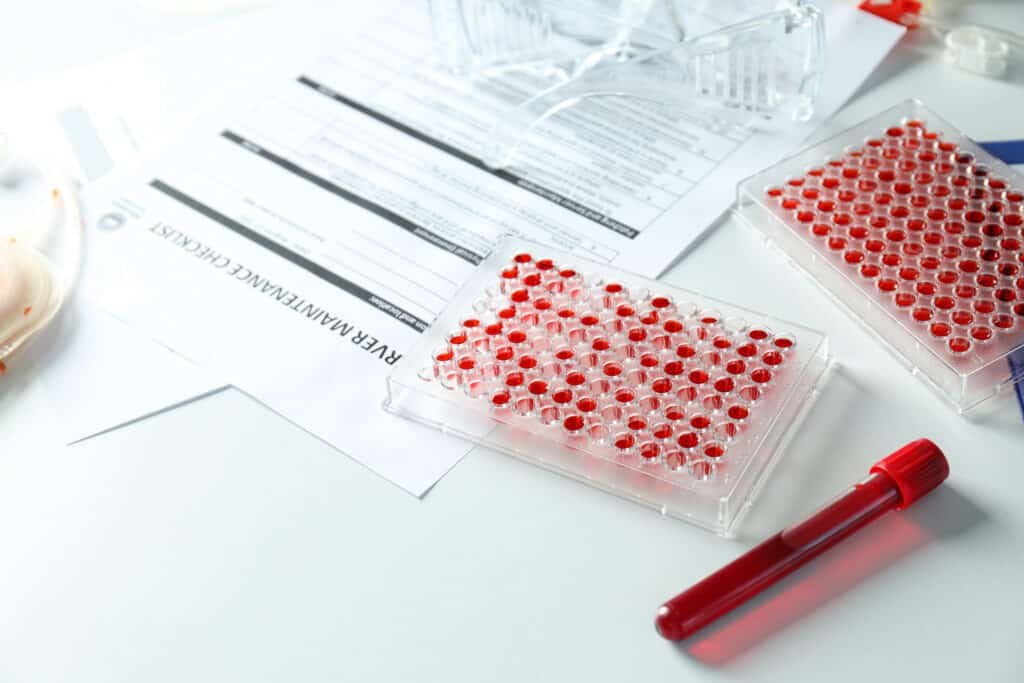
This treatment uses a concentration of your own platelets, drawn from your blood, to promote healing in injured tissues. Platelets contain growth factors that may help stimulate repair.

PRP treatment typically involves:

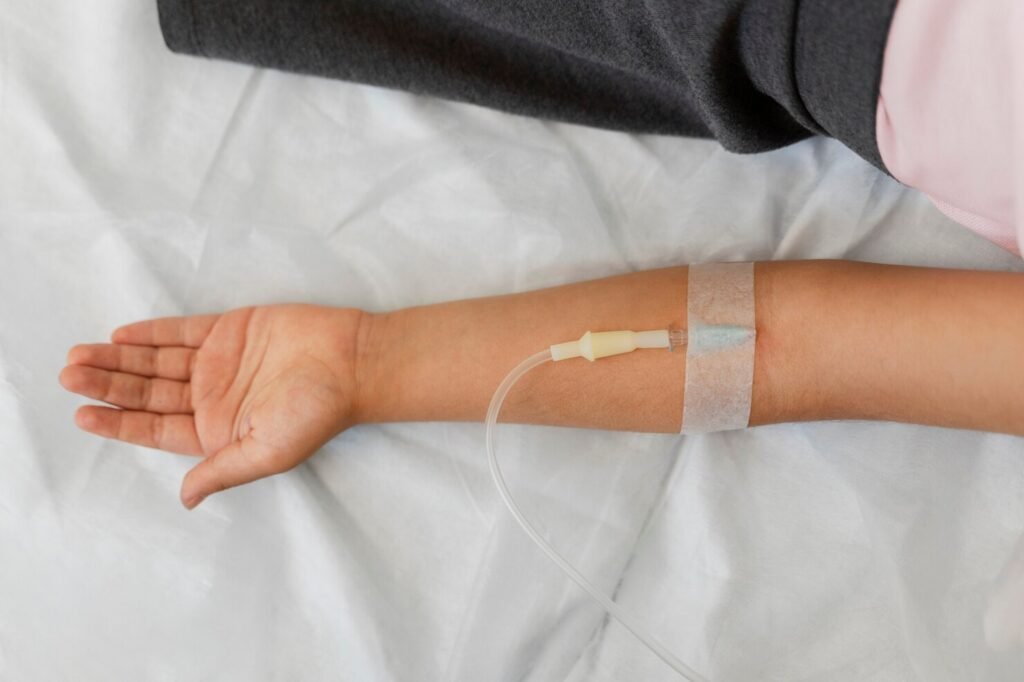
• Blood draw
• Centrifuge processing
• Injection into the affected area
• Outpatient procedure

PRP is commonly used for:

• Mild tendon injuries
• Early joint inflammation
• Sports-related soft tissue injuries

Retatrutide Trial Sign Up: Join Beyond Stem Cells
Knee-Pain

What Is Stem Cell Therapy?

Stem cell therapy involves collecting and concentrating regenerative cells from your body and injecting them into the injured area.

Stem cells have the ability to support tissue repair and help reduce inflammation at a deeper level.

Stem cell therapy is often considered for:

• Moderate arthritis
• Chronic joint pain
• Degenerative conditions
• Ligament or cartilage damage

Like PRP, stem cell therapy is typically performed in an outpatient setting.

Side-by-Side Comparison

Here’s a simplified breakdown:

Source of Cells
PRP: Platelets from your blood
Stem Cell Therapy: Regenerative cells from your body

Regenerative Potential
PRP: Growth factor stimulation
Stem Cell Therapy: Cellular repair support

Best For
PRP: Mild inflammation, tendon issues
Stem Cell Therapy: Moderate degeneration, cartilage support

Procedure Time
PRP: Short in-office visit
Stem Cell Therapy: In-office procedure

Recovery Time
PRP: Minimal downtime
Stem Cell Therapy: Minimal downtime

Number of Treatments
PRP: Often multiple sessions
Stem Cell Therapy: May require fewer sessions depending on condition

Cost
PRP: Generally lower per session
Stem Cell Therapy: Higher upfront cost due to cell processing

Every patient’s condition is different. A professional evaluation determines which option may be more appropriate.

Recovery Comparison

PRP Recovery

Most PRP patients experience:

• Mild soreness
• Short recovery window
• Gradual improvement over several weeks

PRP may require multiple sessions for optimal results.

Stem Cell Therapy Recovery

Stem cell therapy patients typically experience:

• Mild swelling or soreness
• Minimal downtime
• Gradual improvement over weeks to months

Because stem cells involve deeper regenerative support, results may continue improving over time.

When PRP May Be Recommended

PRP may be suitable if you:

• Have mild joint inflammation
• Have tendon or ligament strain
• Are in early stages of arthritis
• Want a lower-cost initial option

PRP is often used for soft tissue injuries.

When Stem Cell Therapy May Be Recommended

Stem cell therapy may be considered if you:

• Have moderate arthritis
• Experience chronic joint degeneration
• Have cartilage damage
• Did not achieve sufficient improvement from PRP

Stem cell therapy is often chosen when more advanced regenerative support is needed.

Schedule Your Consultation in Las Vegas

If you’re comparing stem cell therapy vs PRP and want professional guidance, our regenerative medicine specialists are here to help.

Call our Las Vegas office or book online to schedule your consultation.

Discover which regenerative option may best support your recovery and mobility goals.