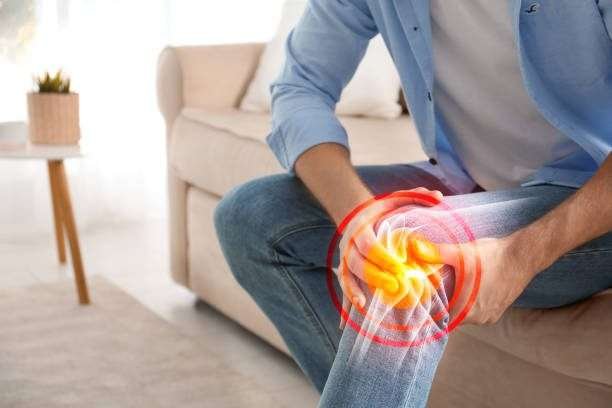
Knee Pain Treatment in Littleton, Colorado

Knee Pain Treatment Without Surgery

In short: Beyond Stem Cells offers non-surgical knee pain treatment at its Littleton, Colorado clinic, serving patients across the Denver metro. Treatments include PRP (platelet-rich plasma) and regenerative cell therapy for osteoarthritis, meniscus tears, ligament injuries, tendonitis, bursitis and chondromalacia. Injections are image-guided. Most procedures are outpatient with same-day discharge. Improvement typically begins within a few weeks, continuing over 3 to 6 months. Care is provided by licensed Colorado physicians under an IRB-approved program. Free consultation: (833) 720-7836.

Where we are

Beyond Stem Cells Medical Spa is at 5912 S Cody St, Suite 201, Littleton, CO 80123 — roughly 25 minutes from central Denver. We see patients from across the Denver metro, including Centennial, Englewood, Highlands Ranch, Lakewood and Denver.
Open Monday to Saturday, 9:00 AM to 5:00 PM MST.

Knee pain can affect anyone. However, it is more common in adults, the elderly, and athletes. According to the American Academy of Family Physicians (AAFP):

➝ Nearly 25 percent of adults are affected by knee pain.

➝ The prevalence of knee pain has increased by 65 percent in the last 20 years.

➝ Approximately four million visits to primary care annually are because of knee pain.

➝ Patients that require urgent care generally have symptoms like swelling, severe pain, and instability in bearing their weight on their knees.

 
knee-paid

Risk Factors

Though aging can lead to knee pain, other factors that increase the risk of developing this condition are:

➝ Excess weight

➝ Poor muscle flexibility and strength

➝ Previous injuries

➝ Playing sports or engaging in occupations that put repetitive stress on the knees

Symptoms of Knee Pain

The severity and location of the knee pain depend on the underlying cause. However, in most cases, knee pain is accompanied by the following symptoms:

  • Stiffness
  • Inflammation
  • Warmth and sensitivity to the touch
  • Instability
  • Crunching and popping noise
  • Difficulty in straightening knees
  • Redness in the affected area

The condition can result from multiple reasons, such as:

  • Wear & tear from everyday activities like standing, lifting, bending, and walking
  • Stress on the knee joints or movements that can cause knee pain
  • Injuries such as torn cartilage and ruptured ligaments
  • Medical conditions like gout, arthritis, Osgood-Schlatter disease, and infections

However, one of the most common causes of knee pain is Chondromalacia patellae. Here is more about this condition:

Knee pain rarely announces itself. It starts as stiffness getting out of the car, then a twinge on stairs, then you find yourself planning routes around hills. Most people wait far longer than they should. By the time they book an appointment, they’ve usually been managing it quietly for a year or more.

There’s no prize for waiting. Getting assessed early gives you more options, not fewer.

Relieve Knee Pain Without Surgery - Treatment for Knee Pain

Being honest about the evidence

No stem cell product is FDA-approved for knee osteoarthritis. Legitimate US clinics operate under the 361 HCT/P exemption, which permits use of your own tissue when it is minimally manipulated and used for a homologous purpose. That is the framework we work within.

The evidence base is still developing. Published studies are mostly small with relatively short follow-up. Major orthopaedic guideline bodies do not currently recommend regenerative injections as standard first-line care for knee osteoarthritis. PRP has a somewhat stronger evidence base than cell-based therapy, though results still vary.

What is well established: the AAOS strongly recommends exercise, strengthening and physical activity for symptomatic knee osteoarthritis. If you have not tried structured physical therapy, that is often the right first step — and we will tell you so.

We are not offering a cure. We are offering a non-surgical option that may reduce pain and improve function, with a realistic prospect of delaying more invasive intervention. Results vary between individuals. Some patients respond well; some do not.


Any clinic promising guaranteed results for knee osteoarthritis is overselling.

Who this is suitable for – and who it isn’t

Regenerative treatment may be appropriate when you have mild to moderate osteoarthritis, tendinopathy, or a partial soft-tissue injury; when conservative treatment such as physical therapy has not given enough relief; when you want to avoid or delay surgery; and when you are in reasonable general health with realistic expectations.

It is often not the right choice when cartilage loss is advanced with bone-on-bone contact, where joint replacement may be more appropriate; when there is an active joint infection; when the knee is mechanically unstable in a way that needs surgical repair; when you have not yet tried physical therapy; or when you are looking for a guaranteed outcome.


If you are not a good candidate, we will say so at consultation and explain why. We would rather turn down a treatment than perform one unlikely to help.

We treat the following knee conditions:➝ Meniscus Tear

➝ Knee Degeneration

➝ ACL or PCL Injury

➝ Chondromalacia

Regenerative Medicine for Meniscus Tear

When the meniscus cartilage raptures due to traumatic injuries or due to age-related wear and tear it is referred to as meniscus tear. Meniscus tear is usually very painful and limiting. The knee will not operate correctly with this type of injury. The meniscus is located at the knee joint. It is a rubbery piece of cartilage that acts as the body’s shock absorber and also acts as a pad to stabilize and protect the knee.

Meniscus tear are of three degrees: severe, moderate and minor. Severe meniscus is when bits of ruptured meniscus enter the knee joint and affects the function of the knee causing a lot of pain. But for minor and moderate meniscus tears, the pain usually disappears after conventional treatment or a few weeks of rest. Those suffering from meniscus tear are increasingly becoming aware of the implications of removing the meniscus though surgical operation, they also prefer not to risk the side effects that come with steroid injections.

Degeneration of the joints can occur in any of the joints in the body, especially those that experience lots of wear and tear. The knees are used in so many daily motions, feeling pain with each movement is debilitating. Joint degeneration generally develops over time, but can suddenly worsen and become more severe and disabling. Cartilage or other soft tissues within the knee joint can begin to dehydrate, deteriorate, or become damaged from some type of injury. These tissues provide a protective cushion between the bones for smooth movement. Once these start to wear down, or degenerate, friction within the joint can lead to inflammation, swelling, bone spurs, and other painful symptoms. Recent developments in Amniotic Regenerative Medicine make it possible to treat degenerative joint conditions naturally, without the need for medications, steroids, or surgery. Amniotic Regenerative Cell Therapy uses these cells to target the damaged and deteriorating tissues. Concentrated amounts of these cells are injected into the affected area, and immediately reduce inflammation and reverse damage and deterioration of tissue.


The condition can result from multiple reasons, such as:

  • Wear & tear from everyday activities like standing, lifting, bending, and walking
  • Stress on the knee joints or movements that can cause knee pain
  • Injuries such as torn cartilage and ruptured ligaments
  • Medical conditions like gout, arthritis, Osgood-Schlatter disease, and infections

However, one of the most common causes of knee pain is Chondromalacia patellae. Here is more about this condition:

Regenerative cell therapy is one of the newest and most cutting-edge therapies for chronic joint pain. PRP and Growth Factor regenerative cell therapy offers patients 3 essential properties for healing and restoring joint health:

  • A high concentration of regenerative cells
  • Hyaluronic Acid for joint lubrication and movement
  • Anti-inflammatory cytokines, proteins and cellular growth factors essential for building new joint tissue

The regenerative cell therapy consists of an injection directly into the painful area. The therapy has the potential to actually alter the course of the condition and not simply mask the pain. This therapy has significant potential for those in pain, and could actually repair structural problems while treating pain and inflammation simultaneously.


Cost

Regenerative knee treatment in the Denver area generally runs $3,000 to $8,000 per joint, depending on the treatment type and cell source. Pricing varies between clinics and by what a specific case requires.

A $500 discount is currently available on joint regeneration procedures.

Financing is available through Cherry — 0% APR options, approvals up to $50,000, and no hard credit check to see if you qualify. The application takes about a minute.

Regenerative treatments for knee pain are generally not covered by health insurance. Expect to pay out of pocket. We give you a written quote at consultation with no obligation to proceed.

Book a Knee Assessment

Consultations are free. We assess the knee, tell you whether treatment is likely to help, and give you a written quote.

Frequently asked questions

What is the best treatment for knee pain?
It depends entirely on the cause. For osteoarthritis, structured exercise and physical therapy have the strongest evidence base and are usually the right starting point. Where conservative treatment has not given enough relief, PRP and regenerative cell therapy are non-surgical options worth discussing.

How do PRP knee injections work?
PRP is prepared from your own blood, concentrated to increase platelet density. Injected into the knee under image guidance, the growth factors support tissue repair and reduce inflammation. Because it uses your own material, there is no rejection risk.

Can regenerative therapy really help knee pain?
It helps some patients. Published evidence is promising but limited — mostly small studies with short follow-up, and no stem cell product is FDA-approved for knee osteoarthritis. We will be straight with you about what is realistic for your condition.

Will it help me avoid knee replacement?
It may delay it for some patients. It is not a substitute for joint replacement in advanced arthritis with bone-on-bone contact. If that is your situation, we will tell you.

Is it covered by insurance?
Generally no. Financing is available through Cherry with 0% APR options.

How long does recovery take?
Mild soreness for a few days is normal. Improvement usually begins within a few weeks, with continued healing over 3 to 6 months.

Are the injections guided?
Yes. We use ultrasound or fluoroscopic guidance. Blind injections frequently miss the target, and accuracy affects whether treatment works. It is a fair question to ask any clinic.

What is chondromalacia?
Also called runner’s knee, it is softening and deterioration of the cartilage on the underside of the kneecap. It is graded 1 to 4 by severity, and treatment is planned according to that grade.

Do you see patients from Denver?
Yes. We are in Littleton, about 25 minutes from central Denver, and see patients from across the metro area.

Chondromalacia

Chondromalacia is also called the runner’s knee. The Knee pain condition is characterized by softening and deterioration of the cartilage from the kneecap’s undersurface (patella). Knee pain bending causes the kneecap’s backside to glide on the cartilage of the thigh bone. The kneecap has ligaments and tendons that attach to the thigh muscle and shinbone. However, improper movement of these components can cause the kneecap to rub against the thigh bone, which deteriorates the patella leading to the runner’s knee/Chondromalacia. 

The Chondromalacia patellae joint (also known as CMP) is an inflammation of the underside of the patella and softening of the cartilage.

Four grades are designated to the runner’s knee severity. Knee pain treatment is designed according to the grading the doctor rates your condition. 

Grade 1 is the least severe, indicating cartilage softening

Grade 2 marks the starting of knee tissue erosion

Grade 3 is characterized by cartilage thinning and active tissue deterioration

Grade 4 is severe and indicates significant cartilage damage and bone exposure

It can affect people from all age groups but mainly occurs in aged individuals with knee arthritis. Chondromalacia is viewed as an overuse of sports injury. Hence, it is advisable to rest for a few days to ensure recovery of knee pain.

Symptoms of chondromalacia patellae are grinding sensations as you bend or move your knee, with pain worsening during exercise or long periods standing. Assessment starts with examining the knee for tenderness and swelling, then applying resistive pressure on the kneecap. X-rays identify signs of misalignment, arthritis or bone damage. An MRI may follow to evaluate cartilage condition, and in some cases an arthroscopic examination to see inside the joint. From there we grade the condition and plan treatment accordingly.