
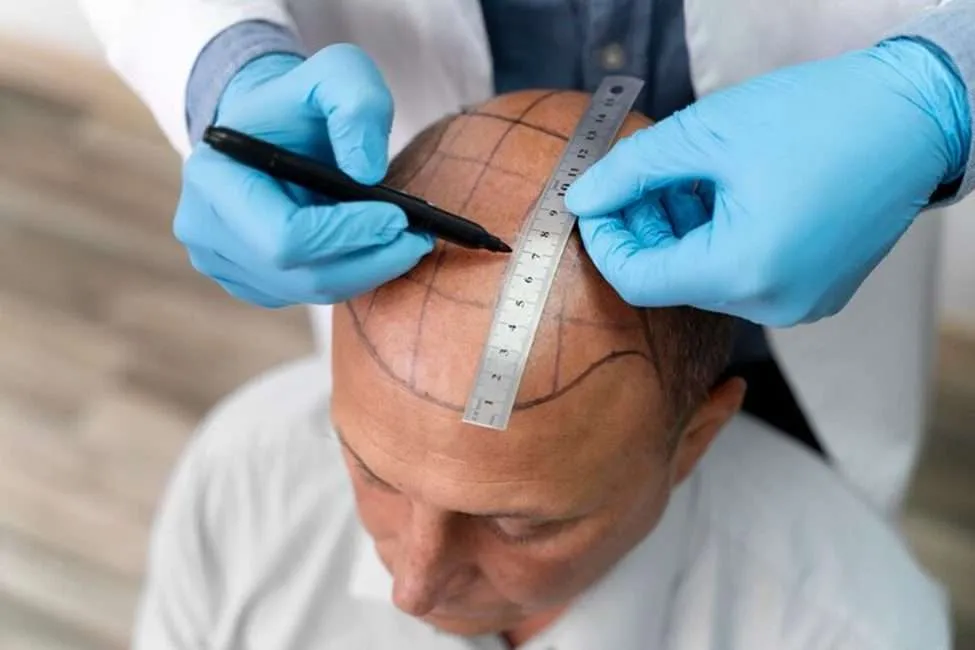
Hair transplantation has become a popular treatment option for hair loss patients. With advanced techniques available, choosing the proper method can feel overwhelming. This guide compares the different types of hair transplants—FUE and FUT—to help you decide on the best hair transplant method for your needs.
Understanding Hair Transplants

A hair transplant procedure involves transferring hair follicles from a donor site, typically located at the back or sides of the scalp, to regions experiencing thinning or baldness. Modern techniques ensure natural-looking results and minimal discomfort, but each method has unique benefits and drawbacks. The primary hair transplant types are FUE (Follicular Unit Extraction) and FUT (Follicular Unit Transplantation).
2 Types of Hair Transplants
Hair transplants have become a practical option for individuals dealing with hair loss. Understanding the different types available can help individuals make informed decisions about their treatment options.
Type 1: Follicular Unit Extraction (FUE)
FUE is one of the most advanced and popular types of hair transplants. This minimally invasive procedure involves extracting hair follicles from the donor area using a micro-punch tool. The follicles are subsequently implanted into the target area.
Benefits of FUE
FUE offers several advantages, making it a preferred choice for many patients:
- Minimized Scarring: FUE leaves tiny, virtually invisible, dot-like scars, even with short hairstyles.
- Fast Recovery: Patients typically have a brief recovery period and can resume regular activities in just a few days.
- Authentic Appearance: The careful positioning of each follicle results in a hairline that looks natural.
Versatility: FUE applies to transplants involving the scalp, beard, and eyebrows.
Drawbacks of FUE
However, FUE is not without its challenges:
- Time-Intensive: The procedure can take several hours or multiple sessions, depending on the extent of hair loss.
Increased Expense: FUE generally costs more than FUT because of the precision and time involved in the procedure.
Type 2: Follicular Unit Transplantation (FUT)
FUT, also known as the strip method, involves removing a strip of skin from the donor area, from which hair follicles are dissected and transplanted. While this method has been around longer, it is less commonly used today than FUE.
Benefits of FUT
FUT has its own set of benefits that may appeal to certain patients:
- Efficient for Large Areas: FUT is ideal for patients requiring many grafts in a single session.
Lower Cost: FUT is generally more affordable than FUE.
Drawbacks of FUT
Despite its advantages, FUT also has some drawbacks:
- Linear Scar: The strip removal leaves a linear scar, which can be noticeable with short hairstyles.
- Longer Recovery: Patients often experience more post-operative discomfort and a more extended recovery period compared to FUE.
Less Flexibility: FUT is less suited for smaller, targeted areas or non-scalp transplants.
FUE vs. FUT Transplant

Each type of hair transplant—FUE and FUT—offers unique advantages and limitations. Factors such as scarring, recovery time, cost, and suitability for the extent of hair loss should be considered when deciding on the best option for you.
Scarring
FUE is superior in minimizing scarring. It leaves tiny, dot-like scars that are barely visible, even with short hairstyles. FUT, however, leaves a linear scar, which may limit hairstyle options.
Recovery Time
FUE offers a shorter recovery period, typically 5-7 days, allowing patients to return to normal activities quickly. On the other hand, FUT requires a more extended recovery period of 10-14 days due to the linear incision and sutures involved.
Cost
FUE is moderately priced but often higher than FUT due to the labor-intensive nature of the procedure. FUT is a more cost-effective option for extensive sessions but includes additional considerations like scarring and longer recovery.
Suitability for Extent of Hair Loss
FUE is ideal for patients with moderate hair loss and those who prefer shorter hairstyles. It is also suitable for multiple sessions if extensive grafts are needed. FUT is better for patients requiring many grafts in a single session but is limited by its linear scarring.
Factors to Consider When Choosing a Hair Transplant Type
When deciding between different types of hair transplants, consider the following:
- Extent of Hair Loss: FUE may be ideal for smaller areas, while FUT can handle more extensive graft sessions.
- Budget: Determine what you’re willing to invest, as costs vary between hair transplant types.
- Desired Results: Discuss your goals with your surgeon to identify the best method for achieving natural-looking outcomes.
Recovery Time: Consider how much downtime you can accommodate.
Why FUE Is the Best Type of Hair Transplant
FUE stands out as the best type of hair transplant for most patients due to its balance of benefits:
- Natural Results: The precision of FUE ensures natural-looking hairlines and density.
- Minimal Scarring: Patients can confidently wear short hairstyles without visible scars.
- Versatility: FUE works well for scalp, beard, and eyebrow transplants.
- Fast Recovery: The minimally invasive nature of FUE means less downtime and discomfort.
FUT remains a viable option for those needing many grafts, but it falls short in scarring and recovery compared to FUE.
The Importance of Choosing an Experienced Surgeon
Your surgeon’s skill and experience significantly influence your hair transplant’s effectiveness. Look for a clinic that specializes in FUE, as it’s widely regarded as the best type of hair transplant surgery. Ensure the surgeon has extensive experience and positive patient reviews. Scheduling a thorough hair loss consultation is vital to determine the most suitable treatment plan for your unique needs.
Final Words
Understanding the different types of hair transplants is essential for making an informed decision. While FUT and FUE have unique advantages, FUE is often the best type of hair transplant due to its natural results, minimal scarring, and quick recovery. Consult with a qualified surgeon to discuss your needs and determine the ideal solution for restoring your confidence and achieving a full head of hair.