
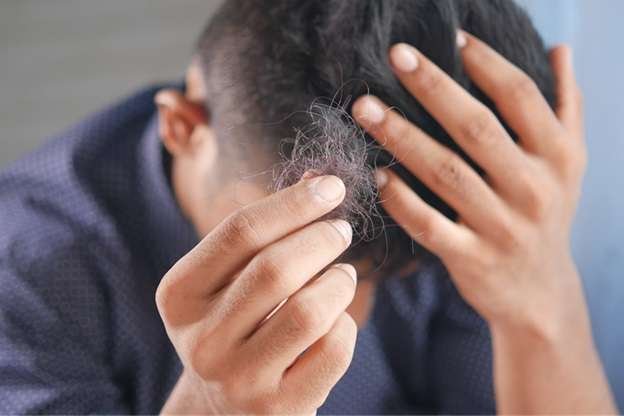
Hair loss is a common concern for many, particularly as people age or encounter genetic conditions that lead to thinning or balding. In fact, according to the American Hair Loss Association, approximately two-thirds of men will experience some degree of hair loss by age 35.
One of the most popular and effective treatments for restoring hair growth is the Follicular Unit Extraction (FUE) hair transplant. If you’re considering a hair transplant, understanding FUE and how it works can help you make an informed decision.
What is FUE Hair Transplant?
FUE, or Follicular Unit Extraction, is a modern technique for transplanting hair follicles from one body part (typically the back of the head, also known as the donor area) to another with thinning or no hair (the recipient area). The procedure involves extracting individual hair follicles, which are then carefully transplanted into small incisions in the scalp.
Unlike its predecessor, the Follicular Unit Transplant (FUT), which involves removing a strip of scalp, FUE does not require stitches or large incisions. This makes FUE a minimally invasive procedure, leaving behind tiny, almost invisible scars that are not noticeable after the healing process.
How Does FUE Work?
The FUE process is relatively straightforward and can be broken down into several steps:
- Consultation and Assessment: A consultation with a qualified hair transplant surgeon is essential before undergoing an FUE hair transplant. During this consultation, the doctor will assess your hair type, the extent of hair loss, and whether you are a suitable candidate for the procedure. The doctor will also discuss your expectations and desired outcomes.
- Preparation: On the day of the procedure, the donor area (usually the back or sides of the scalp) will be shaved to allow for easier access to the follicles. The scalp will be numbed using local anesthesia to ensure you feel no pain during the extraction and transplant process.
- Extraction of Hair Follicles: The surgeon will use a specialized tool to extract hair follicles from the donor area. The process involves removing hair follicles individually, ensuring that only healthy, strong hair follicles are transplanted. This step is done with great precision to minimize damage to the follicles.
- Preparation of the Recipient Area: Once the follicles are extracted, the surgeon will create small incisions in the recipient area where the hair will be transplanted. These incisions are strategically placed to mimic the natural hair growth pattern, ensuring the transplanted hair blends seamlessly with existing hair.
- Implantation of Hair Follicles: The hair follicles are carefully placed into the prepared incisions. This step requires a skilled surgeon to ensure that the implanted follicles’ direction, angle, and density match your natural hair growth.
- Post-Procedure Care: After the transplant, you will be given instructions on how to care for your scalp as it heals. This typically involves avoiding strenuous activity for a few days, refraining from scratching or touching the scalp, and using gentle, prescribed shampoos to cleanse the area.
Benefits of FUE Hair Transplant

FUE hair transplants offer many benefits, making it one of the most popular hair restoration procedures. Some key benefits include:
- Minimally Invasive: FUE does not require large incisions or stitches, making it a less invasive option than FUT. The tiny, circular scars remain barely noticeable, even under close inspection.
- Quick Recovery: The recovery period for FUE is relatively short, with most patients resuming normal activities within a few days. Some swelling or discomfort may occur but typically resolves within a week.
- Natural-Looking Results: The precision with which follicles are extracted and implanted ensures the hair grows naturally, both in direction and density. This results in a fuller, more natural-looking head of hair.
- No Linear Scarring: One of the primary advantages of FUE is the lack of a large linear scar, which is common with FUT. The small, dot-like scars left behind are virtually undetectable and do not limit your hairstyle options.
- Long-Term Results: The hair follicles transplanted during an FUE procedure are typically resistant to the hormone that causes hair loss (DHT), meaning they will continue to grow naturally and stay in place long-term.
Potential Risks and Considerations
FUE hair transplants have potential risks and side effects like any medical procedure. While rare, some of the possible complications include:
- Infection: As with any surgical procedure, there is a small risk of infection. Following post-operative care instructions and keeping the scalp clean can help mitigate this risk.
- Swelling and Discomfort: After the procedure, some patients may experience mild swelling, discomfort, or redness in the treated areas. This is typically short-lived and resolves within a few days to a week.
- Shock Loss: After the procedure, some patients may experience a temporary shedding of transplanted hair. This is known as “shock loss,” but it is usually temporary, and the hair will begin to grow back within a few months.
- Results Vary: The procedure’s success largely depends on the surgeon’s skill, the quality of the donor’s hair, and the patient’s overall health. While FUE produces excellent results for many, some individuals may not see the same level of success.
Is FUE Right for You?
FUE hair transplants are suitable for both men and women who experience hair thinning or baldness. However, not everyone is a candidate for the procedure. Ideal candidates for FUE hair transplants include:
- Individuals with sufficient donor hair in the back or sides of the scalp.
- Those who want a minimally invasive option that leaves no visible scarring.
- People with a stable pattern of hair loss, meaning their hair loss is not progressing rapidly.
- Those in good health and with realistic expectations of the outcome.
It is essential to consult with a qualified hair transplant surgeon to determine if FUE is the best option for your specific needs and goals.
Final Thoughts
Hormone Replacement Therapy is designed to restore balance and alleviate many of the common symptoms associated with hormonal decline. By supplementing deficient hormones, HRT can help improve mood, energy, and overall health. This treatment has evolved to become more personalized and safer over time. It offers a promising option for those seeking to manage the changes associated with aging or hormonal shifts.
References
- Kerure AS, Deshmukh N, Agrawal S, Patwardhan NG. Follicular Unit Extraction [FUE] – One Procedure, Many Uses. Indian Dermatol Online J. 2021 May 12;12(3):381-388.
- Rousso DE, Presti PM. Follicular unit transplantation. Facial Plast Surg. 2008 Nov;24(4):381-8.
- Dua A, Dua K. Follicular unit extraction hair transplant. J Cutan Aesthet Surg. 2010 May;3(2):76-81.