
Hair thinning is a common concern that affects millions of individuals worldwide. While it can be distressing, advances in hair restoration treatments offer practical solutions. One such procedure is Follicular Unit Extraction (FUE), a modern hair transplant technique that has gained popularity due to its minimally invasive nature and natural-looking results.
This article explores the causes of hair thinning, available treatment options, and how FUE hair transplants can help restore hair density.
Common Causes of Hair Thinning
Hair thinning can result from various factors, each requiring a tailored approach for effective management. The most common causes include:
- Genetic Predisposition (Androgenetic Alopecia): This hereditary condition, also known as male or female pattern baldness, leads to progressive hair thinning due to hormonal sensitivity.
- Hormonal Imbalances: Conditions like thyroid disorders, polycystic ovary syndrome (PCOS), and fluctuations in androgens can contribute to hair thinning.
- Nutritional Deficiencies: A lack of essential nutrients, such as iron, biotin, and protein, can weaken hair structure and reduce growth.
Medical Conditions and Medications: Autoimmune disorders (e.g., alopecia areata), chemotherapy, and certain medications can cause significant hair loss. - Stress and Lifestyle Factors: Chronic stress, a poor diet, and environmental factors such as pollution can accelerate hair thinning.
How Hair Thinning Progresses
Hair thinning typically occurs gradually, making early intervention crucial. Understanding the hair-thinning stage helps choose the appropriate hair restoration treatment. The progression often follows these stages:
- Increased Hair Shedding: More strands appear in the brush or shower drain.
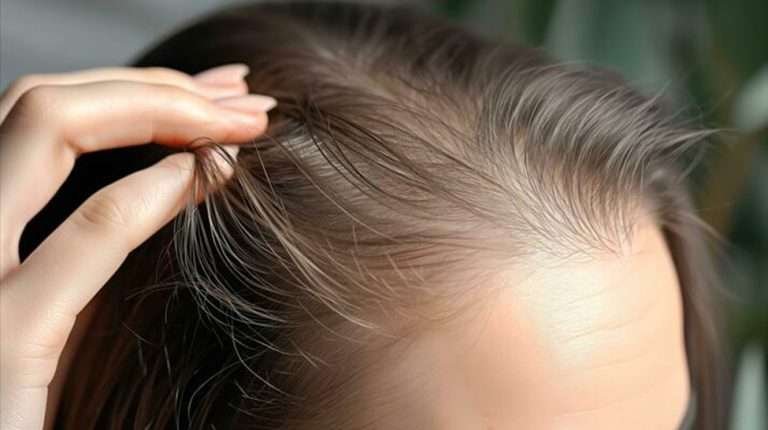
- Widening Part or Receding Hairline: The scalp becomes more visible, particularly in cases of genetic hair loss.
- Overall Density Reduction: Hair appears thinner, affecting styling options and self-confidence.
- Advanced Hair Loss (Balding): Significant areas of the scalp may show extensive thinning or bald spots.
Hair Restoration Treatments: An Overview
Several treatment options exist for hair thinning, ranging from non-invasive therapies to surgical interventions. Medications such as minoxidil (topical) and finasteride (oral) are FDA-approved treatments that can help slow hair loss and promote regrowth in some cases.
Platelet-rich plasma (PRP) therapy involves injecting growth factor-rich plasma into the scalp to stimulate hair follicles and improve hair thickness. Another non-surgical approach, Low-Level Laser Therapy (LLLT), utilizes red light therapy to enhance cellular activity and promote hair density.
For patients experiencing more advanced hair thinning, hair transplant surgery becomes a viable option. Among transplant techniques, FUE hair transplants are one of the most effective and least invasive options available. Understanding the suitability of each treatment depends on the severity of hair thinning and patient-specific factors.
FUE Hair Transplants
Follicular Unit Extraction (FUE) is a minimally invasive hair transplant technique that involves extracting individual follicular units from a donor site, typically the back or sides of the scalp, and implanting them into areas of thinning or balding. Unlike the traditional Follicular Unit Transplantation (FUT) method, which involves removing a strip of scalp tissue, FUE does not leave a linear scar, making it a preferred choice for many patients.
Advantages of FUE Hair Transplants
FUE offers several benefits compared to other hair restoration treatments:
- Natural-Looking Results: Individual follicle transplantation mimics natural hair growth patterns.
- Minimally Invasive Procedure: No stitches or significant incisions are required, resulting in reduced discomfort and a shorter recovery time.
- No Linear Scarring: Ideal for patients who prefer shorter hairstyles.
- Faster Healing Time: Most patients return to normal activities within a few days.
- Permanent Hair Restoration: Transplanted hair is resistant to hormone-related hair loss.
The FUE Hair Transplant Procedure
An FUE hair transplant follows a systematic approach to ensure optimal results. The process involves these steps:
Consultation and Planning
The first step in an FUE hair transplant is a comprehensive consultation with a specialist in hair restoration. The doctor assesses the patient’s scalp, determines the availability of donor hair, and formulates a customized transplantation plan based on the hair loss patterns and desired outcomes.
Donor Hair Extraction
Using a specialized punch tool, the surgeon carefully extracts individual follicular units from the donor site, typically located at the back or sides of the scalp. This technique ensures minimal damage to the surrounding tissue while preserving the quality of each graft.
Graft Preparation
Once extracted, the follicles are meticulously examined under a microscope to ensure their viability. Proper handling and hydration of the grafts during this stage are crucial to achieving optimal transplant success.
Recipient Site Creation
The surgeon makes tiny incisions in the areas of thinning hair, following the natural direction of hair growth. The placement of these incisions determines the final hairline and overall aesthetic outcome.
Graft Implantation
Individual follicles are precisely implanted into the prepared recipient sites, ensuring proper density and a natural, even appearance. The careful placement of each graft helps create a seamless transition between the transplanted and existing hair.
Post-Procedure Care
After the procedure, patients receive detailed instructions on scalp care, activity restrictions, and medications to promote healing and reduce the risk of infection.
Recovery and Expected Results
Recovery from an FUE hair transplant is relatively quick, with most patients experiencing minimal discomfort. In the first few days, mild swelling and redness may occur, but these symptoms typically subside within a week. Patients may also experience initial shedding, known as shock loss, where transplanted hair temporarily falls out before new growth begins.
Noticeable hair regrowth usually starts within three to six months, with full results becoming apparent between 12 and 18 months. Following post-operative care instructions is crucial to ensuring the best possible outcome.
Is FUE the Right Solution for Every Patient?
While FUE is an effective hair restoration treatment, it is not suitable for every patient. Multiple factors affect the success of FUE. Patients must have an adequate donor hair supply, as those with extensive baldness and limited donor areas may not achieve optimal results. Underlying medical conditions, such as autoimmune diseases or uncontrolled diabetes, can impact the success of the transplant and may require prior medical management.
Additionally, setting realistic expectations is essential. While FUE can significantly improve hair density, individual factors such as hair texture, color, and natural hairline play a role in the outcome. Patients must understand that results may vary, and multiple sessions may be necessary for optimal coverage. Consulting with an experienced hair restoration specialist is the best way to determine whether FUE is the right option for you.
Final Words
Hair thinning is a complex issue with multiple causes; however, effective hair restoration treatments are available. FUE hair transplants offer a minimally invasive and natural-looking option for patients seeking long-term hair regrowth.
Understanding the underlying causes of hair thinning, exploring treatment options, and consulting with an experienced specialist can help individuals achieve optimal results. With proper care and realistic expectations, FUE can significantly restore hair density and improve confidence.
References
Stinson, A. (2024, January 23). Causes and treatments for thinning hair. https://www.medicalnewstoday.com/articles/325307