

PRP for tendon and ligament injuries at Beyond Stem Cells in Littleton, CO is an injection of platelet-rich plasma, prepared from your own blood, into a strained or degenerated tendon or ligament. PRP is most often discussed for mild to moderate soft tissue injuries where the tissue is partly intact and surgery is not immediately needed.
Results vary, and a free consultation decides whether PRP fits your injury. PRP for a joint area such as the elbow, shoulder or knee costs $1,500 per treatment, or four treatments for $5,000.
Which tendon and ligament injuries may PRP help?
Tendon and ligament injuries that may be considered for PRP at Beyond Stem Cells include tennis elbow, chronic partial rotator cuff tears, shoulder tendinopathy and impingement, and knee ligament and tendon problems. PRP is generally considered for overuse injuries and partial tears with preserved structure, not for complete ruptures that need surgical repair. Your evaluation confirms the diagnosis first.
- Tennis elbow (lateral epicondylitis): pain and tenderness on the outer elbow from repetitive gripping, twisting or lifting that strains the forearm tendons. Read PRP for tennis elbow.
- Golfer's elbow and other elbow strain: repetitive strain injuries that are common among athletes and active people. See elbow pain treatment.
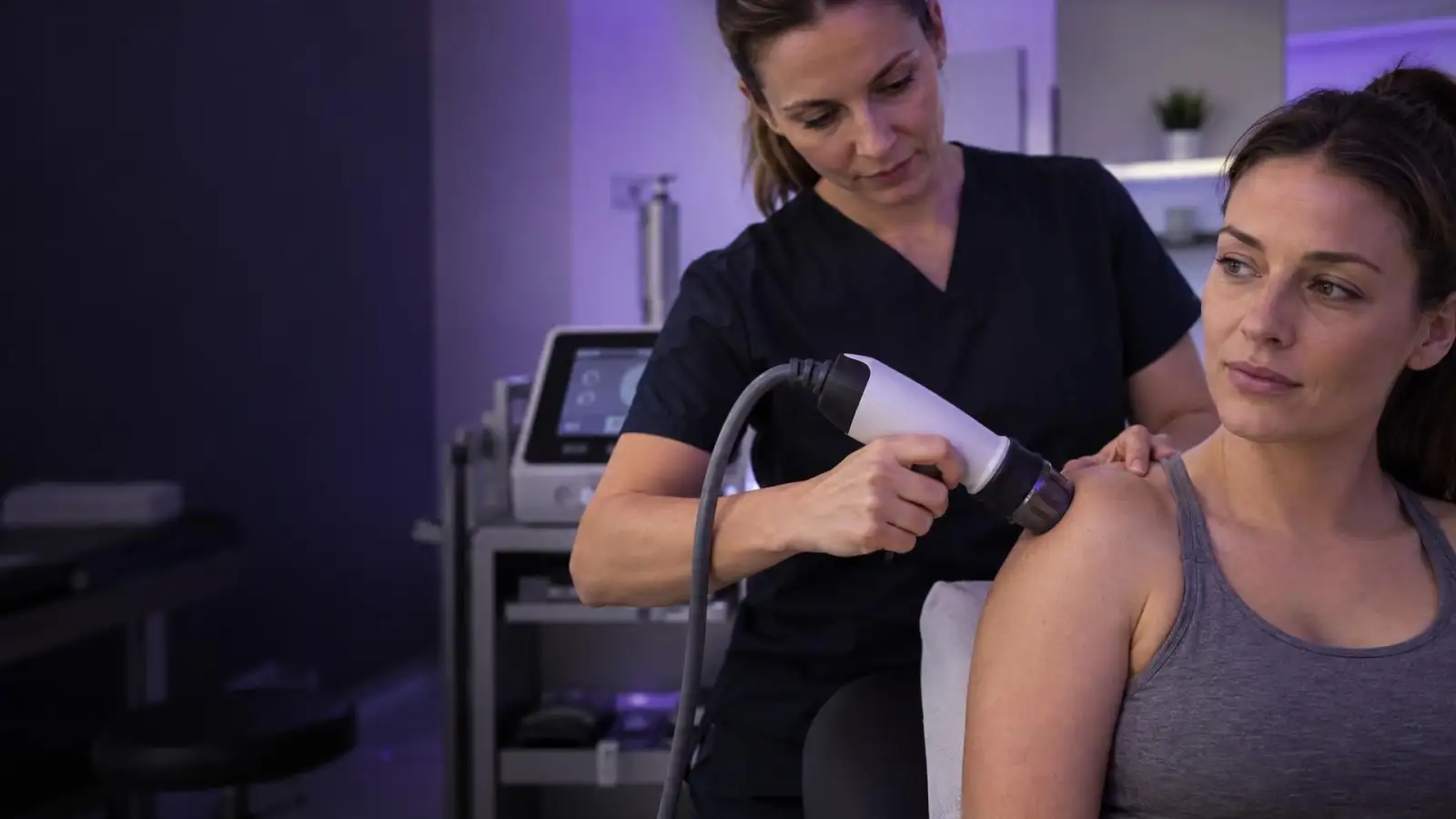
- Rotator cuff: chronic partial tears, especially degenerative supraspinatus injuries, and persistent tendinitis that has not responded to physical therapy or anti-inflammatory medication. Read PRP therapy for shoulder injuries.
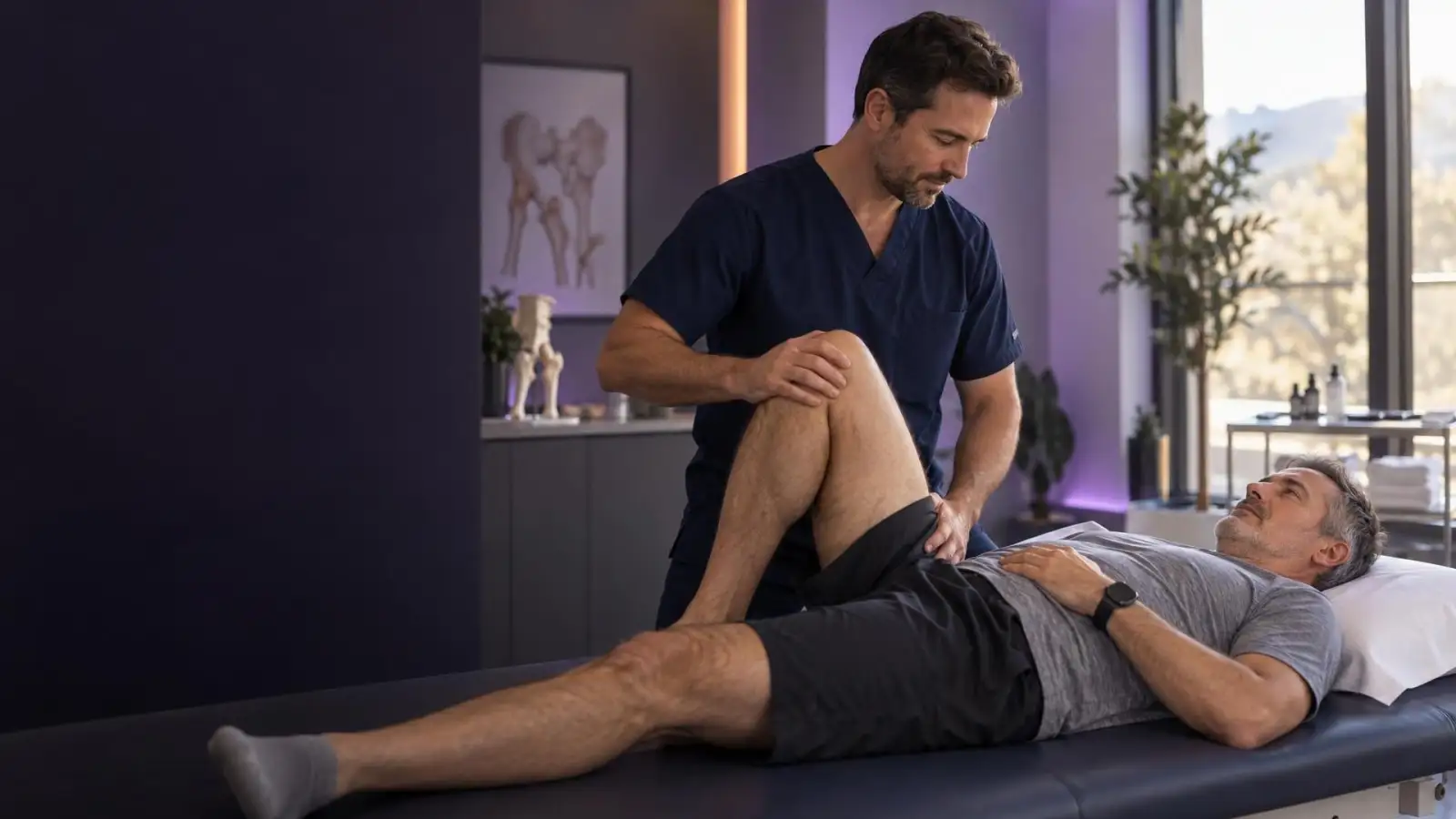
- Knee ligaments and tendons: ligament injuries such as ACL or PCL strain, tendonitis and bursitis are among the knee conditions the clinic evaluates. See knee pain treatment.
- Ankle and foot: sprains, ligament damage and repetitive stress injuries are evaluated at consultation. See ankle pain treatment and foot pain treatment.
Gallery
Inside joint regeneration care



How does PRP work on tendons and ligaments?
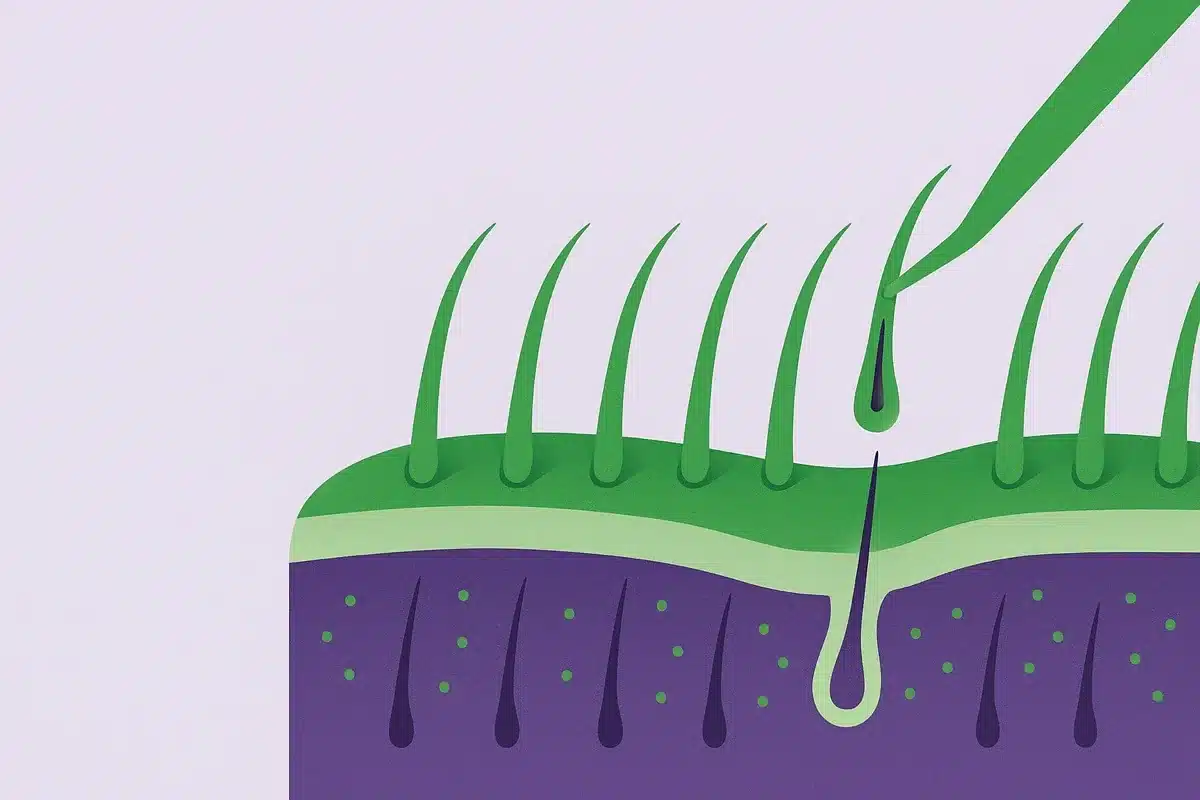
PRP works on tendons and ligaments by delivering a concentrate of your own platelets, and the growth factors they carry, directly to the injured tissue. Those growth factors are involved in cell repair, new blood vessel formation, collagen production and the control of inflammation. Tendons often have a limited blood supply, which is one reason chronic tendon injuries can heal slowly.
PRP aims to support the body's own repair process rather than only mask pain. Published reviews of PRP for rotator cuff tendinopathy report short-term improvements in pain and function, with mixed results over the longer term. The clinic's view is that PRP is often most effective when the tendon is partly preserved and surgery is not immediately indicated.
What happens during a PRP tendon injection?
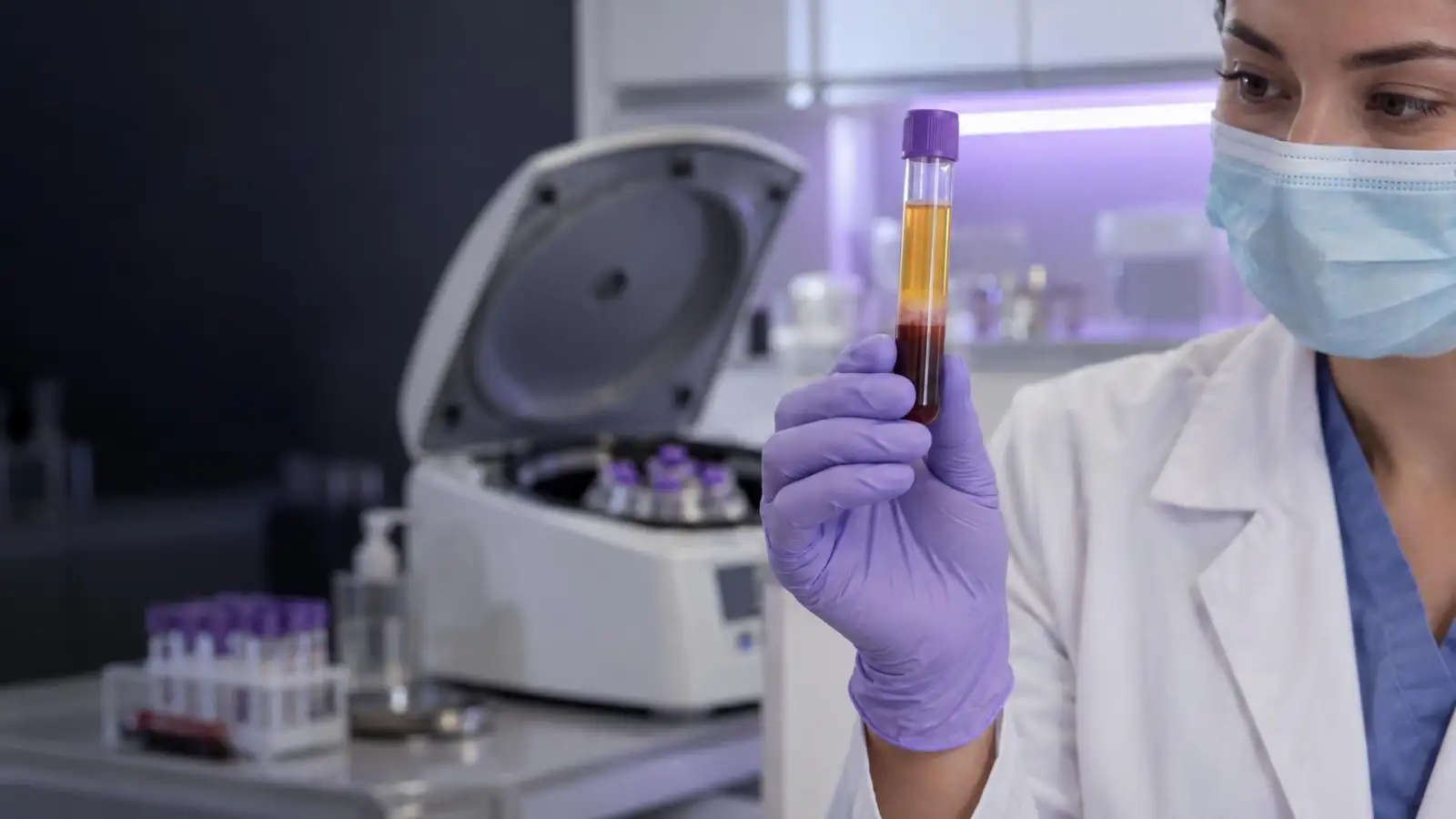
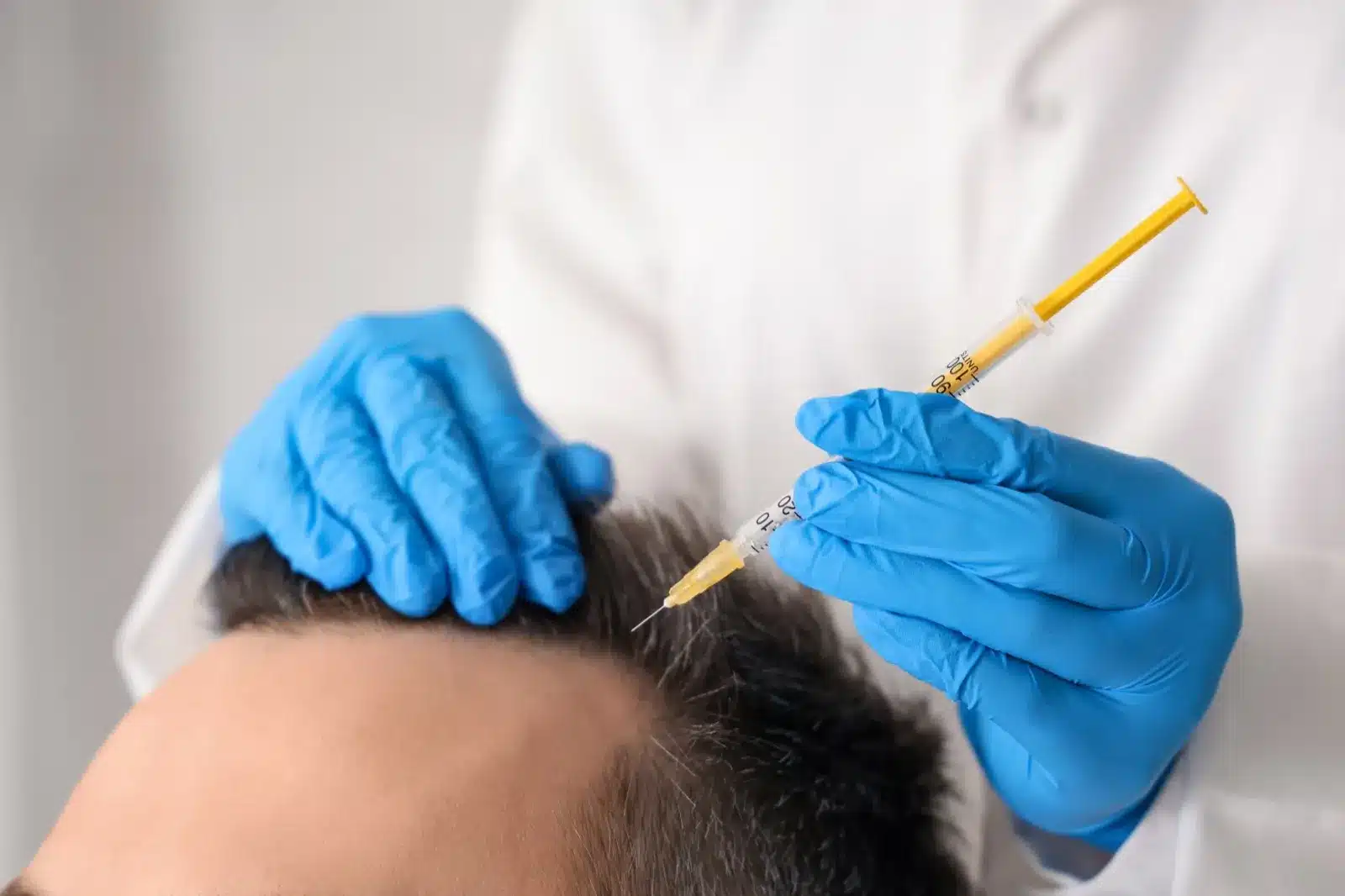
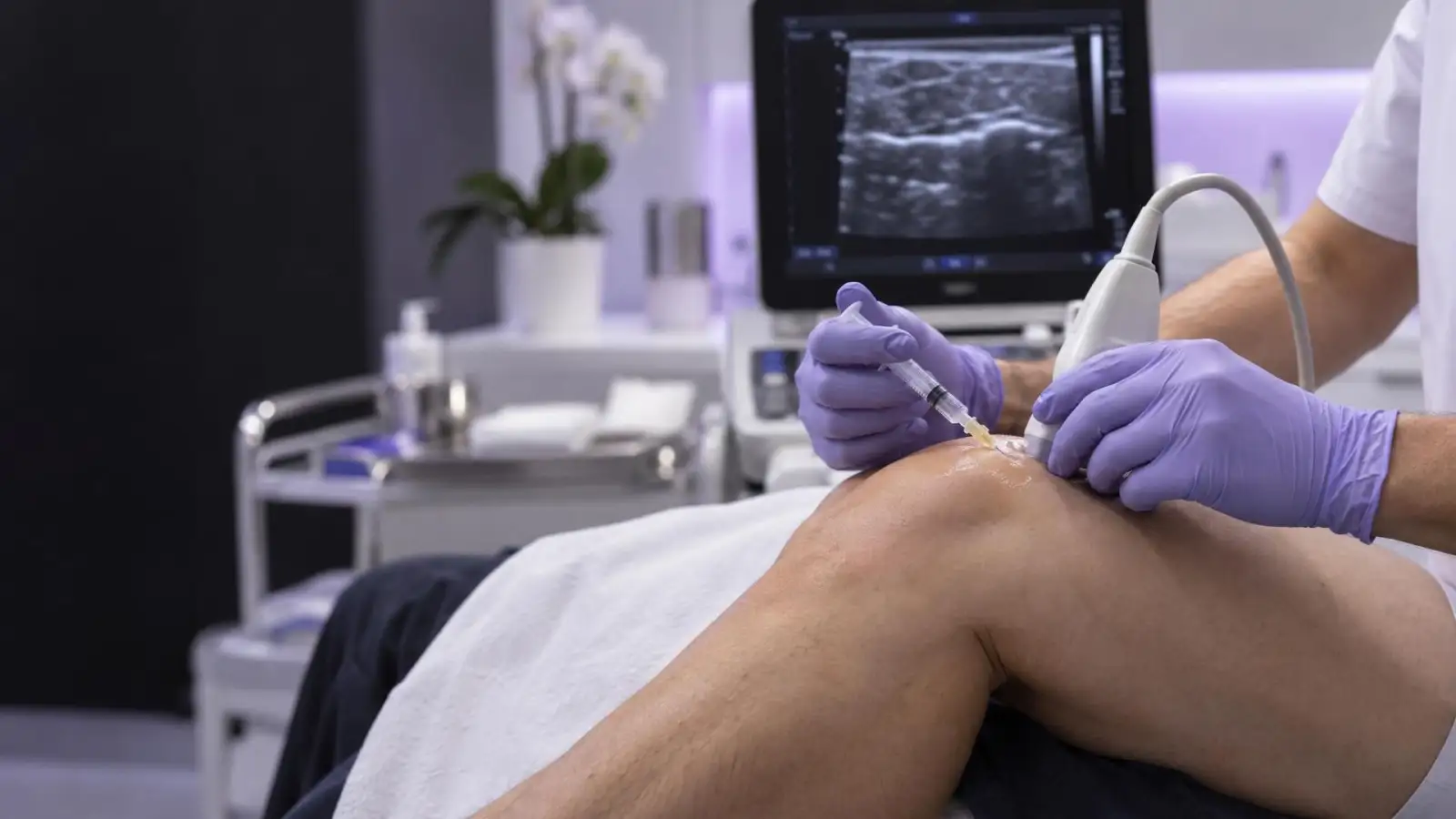
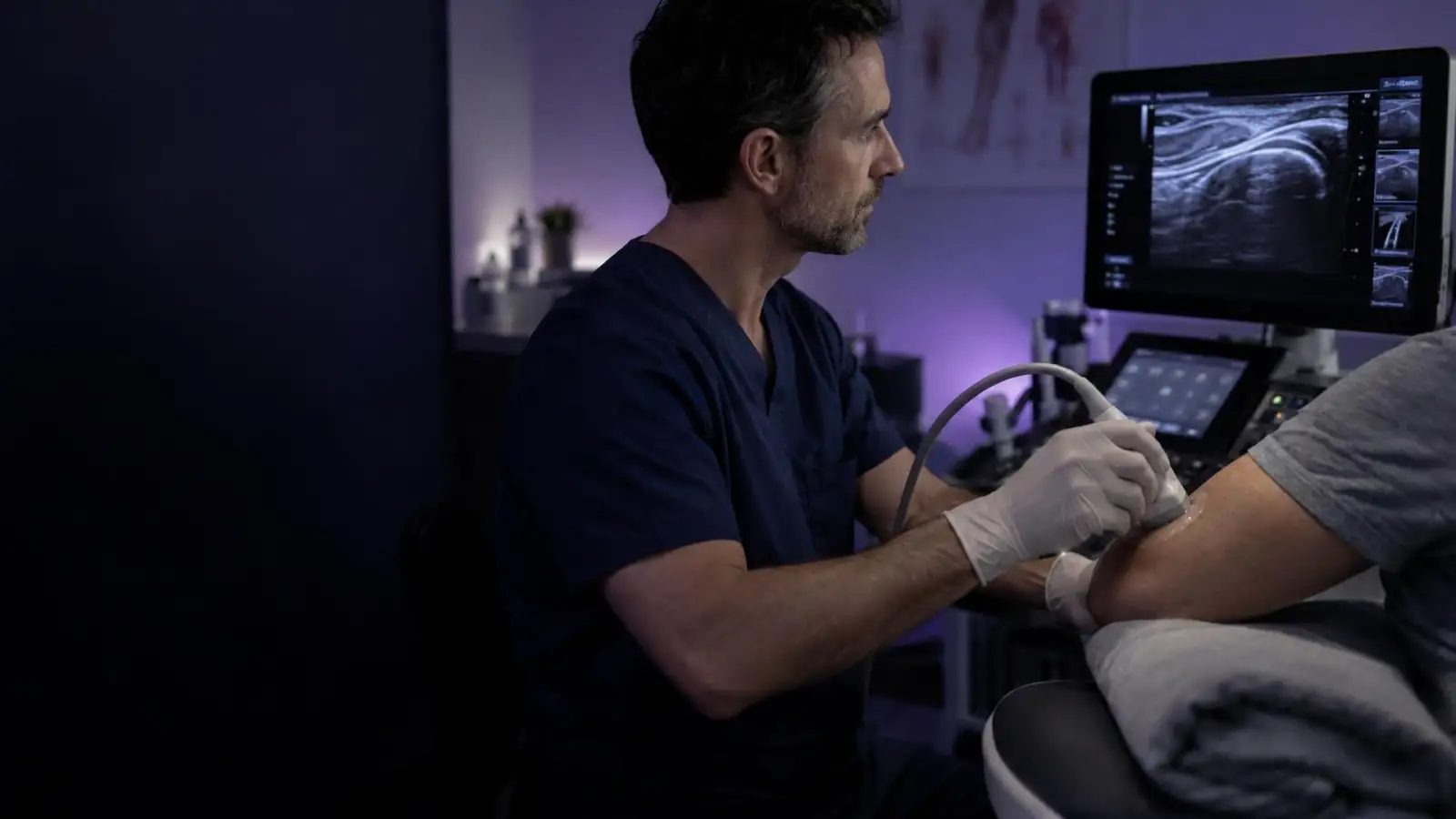
A PRP tendon injection at Beyond Stem Cells is a same-day outpatient procedure. A small blood sample is drawn and spun in a centrifuge to concentrate the platelets. The area is numbed with local anesthetic, and the clinic's tennis elbow guide describes an ultrasound-guided injection into the damaged tendon. Patients stay briefly for observation, then go home.
- Free consultation with a review of your history, prior treatment and imaging.
- Blood draw and PRP preparation in the clinic.
- Local anesthetic, then the injection into the injured tissue.
- A short observation period to watch for unexpected pain or swelling.
- Written aftercare covering rest, controlled movement and rehabilitation exercises.
What is recovery like after PRP for a tendon injury?
Recovery after PRP for a tendon injury usually involves mild soreness, swelling or tenderness at the injection site for several days. Most patients resume daily routines fairly quickly, but heavy lifting and strenuous activity are generally limited until enough healing has occurred. Improvement is gradual over several weeks, and some plans use more than one session.
Following the rehabilitation plan matters. The severity of the tendon damage, how long symptoms have lasted, age, general health and adherence to post-injection rehab all affect how well PRP may work. Any injection also carries risks such as pain, infection or bleeding, which your clinician reviews before you consent.
Physician-guided joint regeneration
in Littleton, Colorado
- 4.9★Google rating
- 170Google reviews
- 6 daysOpen Monday–Saturday
- 48Hours open each week
When is PRP not the right choice for a tendon or ligament injury?
PRP is not the right choice for every tendon or ligament injury. A complete tear, a joint that is mechanically unstable and needs surgical repair, or an active infection calls for a different plan. An injury that stops you from using the limb, or a hot, swollen joint with fever, needs prompt medical assessment rather than an elective visit.
If you have not tried structured physical therapy yet, that is often the right first step. When imaging shows that PRP is unlikely to help, the clinic will say so and explain why. Learn more about the treatment itself on the PRP therapy page.
PRP for tendon and ligament injuries: frequently asked questions
Can PRP heal a torn tendon?
PRP may support healing in partial tears and chronic tendinopathy where the tendon structure is partly preserved. It is not a substitute for surgical repair of a complete tear, and no result is promised.
Is PRP for tennis elbow worth trying?
PRP is one non-surgical option for persistent tennis elbow, especially when rest, therapy and other care have not been enough. Your clinician weighs the severity and duration of your symptoms before recommending it.
How soon can I return to sport after PRP?
Return to sport depends on the injury and your rehab progress. Strenuous activity is usually limited for a period after the injection, and your clinician guides the timeline.
How much does PRP for a tendon injury cost?
At Beyond Stem Cells, PRP for a joint area such as the elbow, shoulder or knee is $1,500 per treatment, or four treatments for $5,000. Insurance does not cover it; HSA, FSA and financing are accepted. Confirm at the free consultation that your tendon or ligament injection is priced as a joint treatment.
Are tendon PRP injections guided?
The clinic's tennis elbow guide describes an ultrasound-guided injection into the tendon, and knee injections use ultrasound or fluoroscopic guidance. Ask how your own injection will be guided.