




Whether stem cell therapy is safe depends on the exact product, how it is sourced and handled, who performs the injection, the sterile technique used, and whether the injection is image-guided. Like any procedure, stem cell injections carry real risks, and no stem cell product is FDA-approved to treat joint pain. Beyond Stem Cells in Littleton, CO reviews those risks with every patient at a free consultation before any plan is approved.
Is stem cell therapy safe?
Stem cell therapy is a medical procedure with known risks, so the honest answer is that safety depends on the specific product, provider and patient. A carefully sourced product, a licensed and verifiable provider, sterile technique and image guidance reduce avoidable risk. None of these removes risk entirely, and "non-surgical" does not mean harmless.
Stem cell therapy is still a developing field. Published studies are mostly small with relatively short follow-up, and more research is needed to understand both effectiveness and risk. MedlinePlus offers a plain-language overview of stem cells if you want background before your consultation.
Gallery
Inside regenerative care
What affects the safety of a stem cell treatment?
The safety of a stem cell treatment is shaped by five factors that you can ask about directly: where the product comes from, how it is tested and handled, who evaluates and treats you, how sterile the procedure is, and how the needle is guided to the target. A clinic should be able to explain each factor in plain language before you consent.
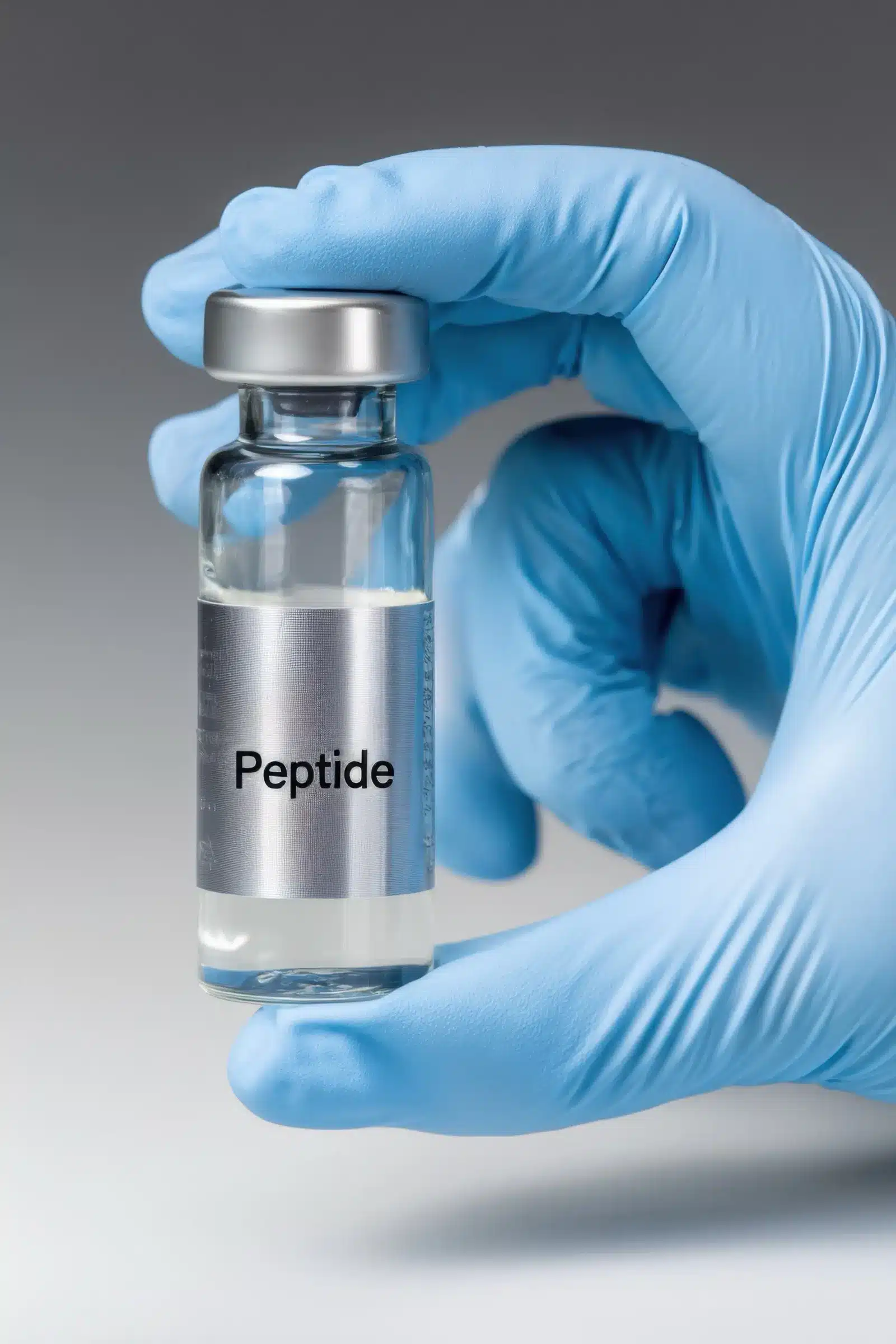
- Product source: cells are either autologous (from your own body) or allogeneic (from a donor). The source changes the risk discussion, including the possibility of rejection with donor cells. Unregulated or unproven sources, such as embryonic cells, are a red flag.
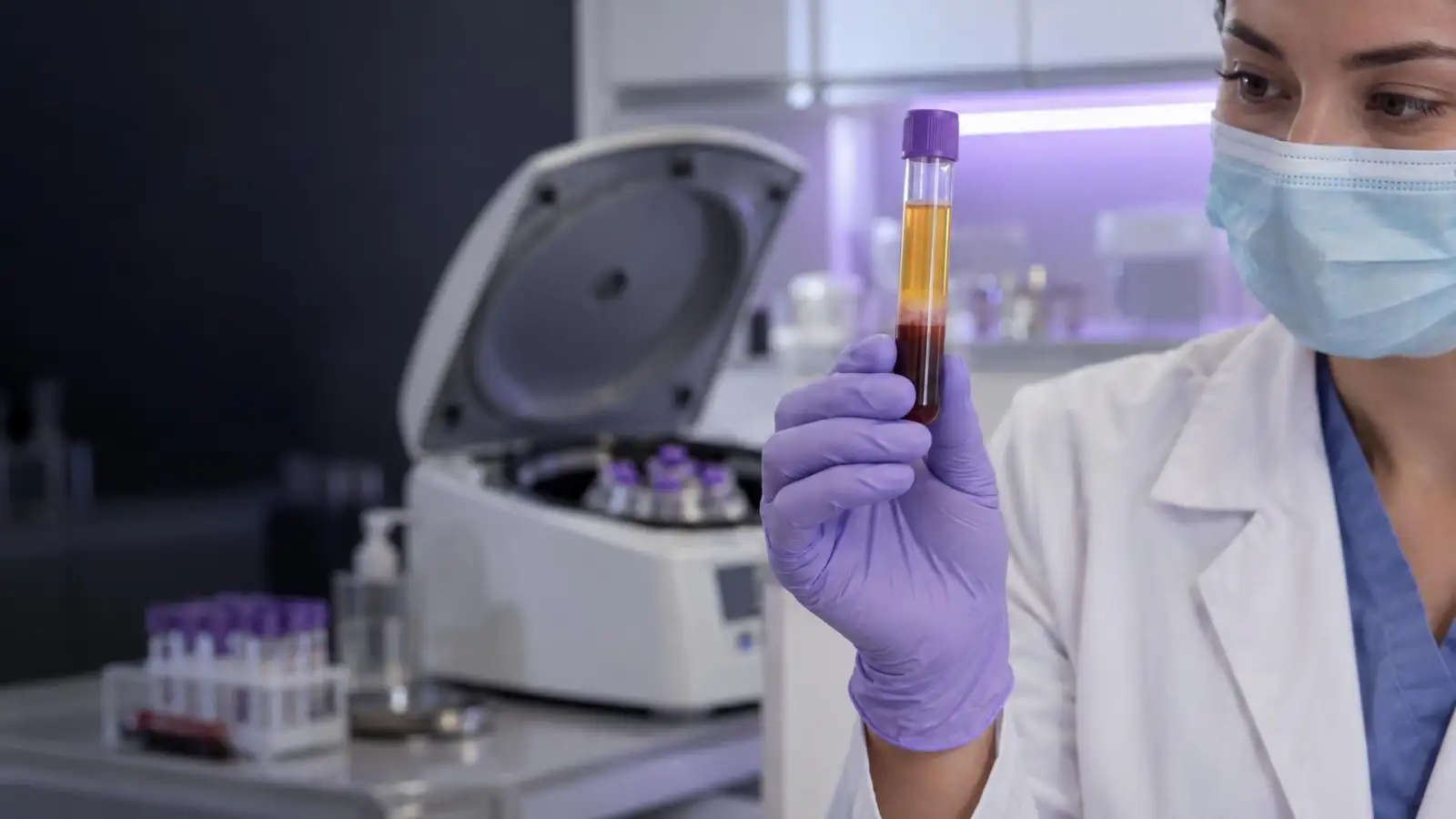
- Handling: laboratory testing, quality control and sterilization matter because improper handling or contamination can lead to complications.
- Provider: a licensed physician should determine candidacy, review your history and medications, and be identifiable before the procedure.
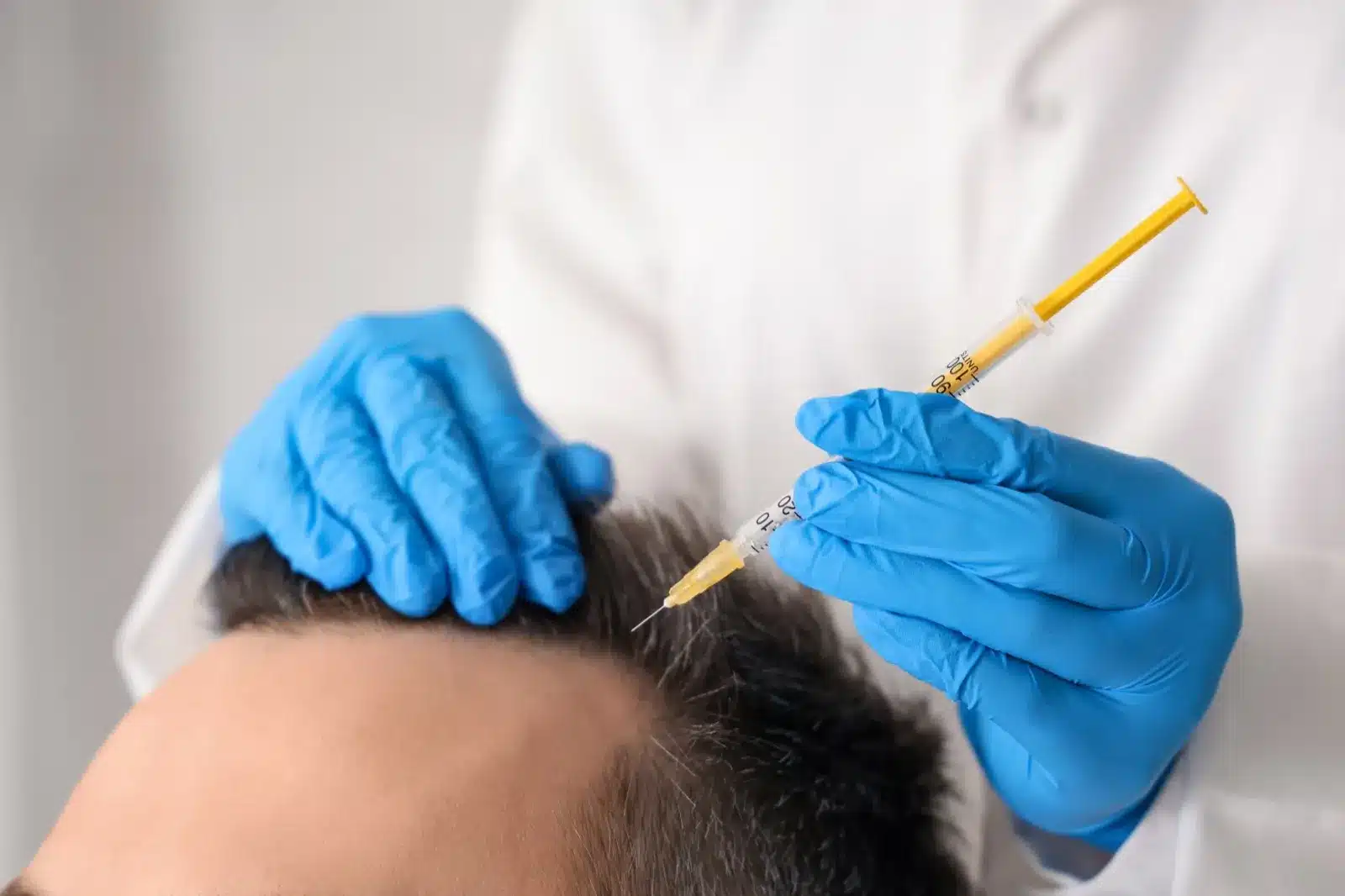
- Sterile technique: injection-site infection is a known risk of any injection, which is why sterile preparation of the product and the skin matters.
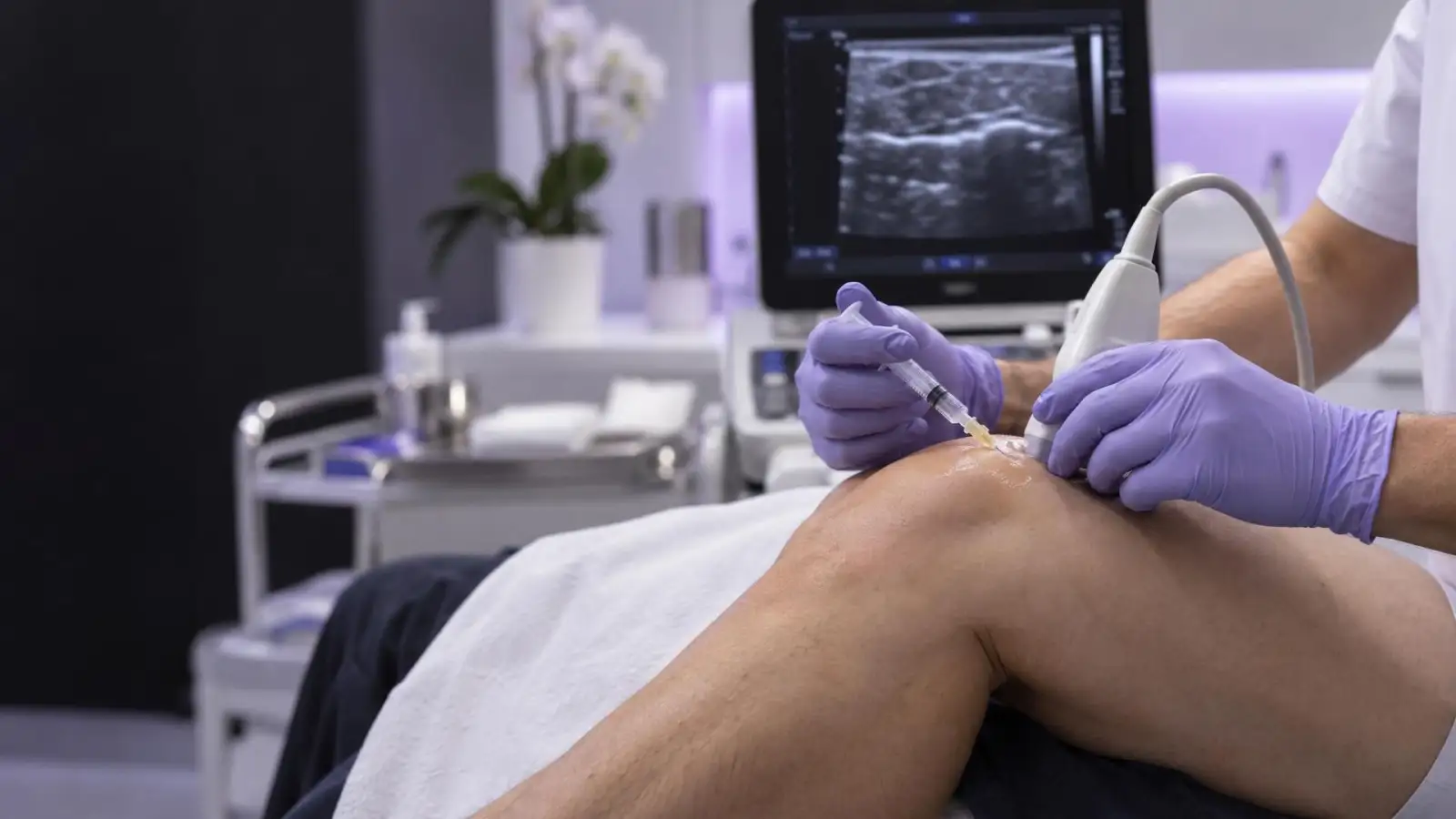
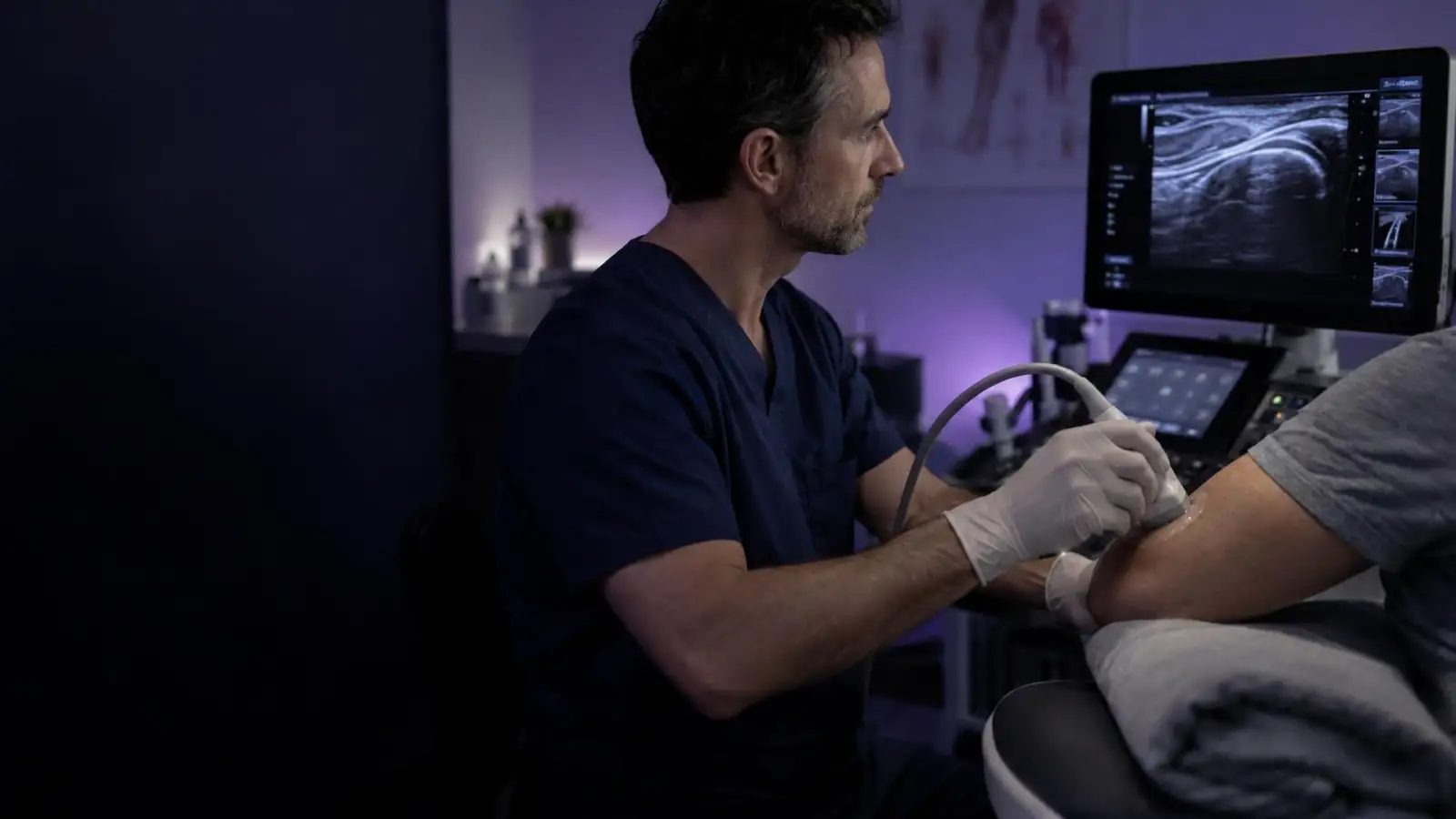
- Image guidance: ultrasound or fluoroscopy helps place the injection accurately. Blind injections frequently miss the target, and accuracy affects whether treatment works.
What are the possible side effects of stem cell therapy?
The possible side effects of stem cell therapy include infection, rejection (especially with donor cells), bleeding, and rare complications such as tumor formation or abnormal tissue growth. After a joint injection, mild swelling or soreness is common and downtime is usually minimal. Your clinician should explain which risks apply to the exact product and site proposed for you.
Ask what symptoms after treatment need a call or urgent assessment, and how adverse events are handled. A clinic that minimizes risks, has no follow-up protocol, or cannot tell you what to do if something goes wrong has not given you enough information to consent.
Does IRB approval or FDA approval make a treatment safe?
IRB approval and FDA approval are different things, and neither one is a promise of safety or benefit for an individual patient. An Institutional Review Board reviews research protocols with attention to the rights and welfare of participants. FDA approval is tied to a specific product and a specific use. IRB review is not FDA approval.
FDA patient information states that marketed regenerative cell products have not been approved for orthopedic conditions, and FDA states there are no FDA-approved exosome products. If a clinic says a program is IRB-approved, ask for the board name, protocol identifier and consent document, and ask what FDA pathway applies to the exact product. The IRB and regenerative medicine guide explains what each document does and does not establish.
Who should be cautious about stem cell injections?
Patients who should be cautious about stem cell injections include anyone with an active joint infection, advanced bone-on-bone arthritis, a joint that needs surgical repair, or an unclear diagnosis. A history of inflammatory disease, prior surgery or significant medical conditions also belongs in the evaluation before any injection is discussed. Your full medication list matters too.
A suddenly hot, swollen joint with fever, or an injury that stops you from using the limb, needs prompt medical assessment rather than an elective consultation. If physical therapy has not been tried, that is often the right first step.
Physician-guided regenerative medicine
in Littleton, Colorado
- 4.9★Google rating
- 170Google reviews
- 6 daysOpen Monday–Saturday
- 48Hours open each week

What questions should Colorado patients ask about safety?
Colorado patients asking about stem cell safety should get specific, written answers before agreeing to treatment. The questions below come from the clinic's own patient guides and apply to any provider. A clinic that answers them clearly is easier to trust; one that avoids them gives you a reason to slow down or seek another opinion.
- What is the exact product, who makes it, and is it from my body or a donor?
- How is the product tested, stored and handled, and what sterile protocols do you use?
- What FDA pathway applies to this product and use, and which IRB protocol, if any, covers it?
- Who will perform my procedure, and how can I verify their Colorado license?
- Will the injection be guided by ultrasound or fluoroscopy?
- Which risks apply to me, what should I watch for afterward, and who do I call?
- What are the alternatives, including physical therapy and surgery?
The full list, with red flags for each question, is in 7 questions to ask your doctor before stem cell treatment.
How does Beyond Stem Cells approach safety?
Beyond Stem Cells approaches safety through physician supervision, a documented product source, image-guided joint injections and an IRB-approved protocol. The clinic's stem cells are donor-derived mesenchymal stem cells from donated umbilical cord and placental tissue, not harvested from your marrow or fat. Every plan is approved by the medical director before anything is scheduled.
Dr. Michael Iannotti, MD, board certified and re-certified in Family Medicine, is supervising physician; see the medical team and how to verify each license. Knee injections use ultrasound or fluoroscopic guidance, the exosome page publishes the product's lab testing, and the clinic does not treat spine conditions. To compare providers, use the clinic comparison checklist.
Stem cell therapy safety: frequently asked questions
Is stem cell therapy FDA-approved for joint pain?
No. No stem cell product is FDA-approved to treat joint pain or knee osteoarthritis. Ask any clinic what regulatory pathway applies to the exact product it proposes.
Can my body reject donor stem cells?
Rejection is one of the risks discussed with donor-derived cells. Your clinician should explain how that risk applies to the specific product and to your health history.
How much downtime is there after a stem cell injection?
Downtime is usually minimal, with mild swelling or soreness for a short period. Your clinician gives activity limits based on the joint treated.
If stem cell therapy does not work, can I still have surgery?
Yes. Nothing about the procedure prevents traditional surgery later. If surgery is the better option for your condition, the clinic will advise you of that.
Is PRP safer than stem cell therapy?
PRP comes from your own blood, so donor-related risks such as rejection do not apply, but any injection still carries risks such as pain, infection or bleeding. Your clinician compares both for your diagnosis.