




To compare stem cell clinics in Denver, ask every clinic the same seven questions: what exactly is injected, what FDA pathway applies, what oversight covers the program, who performs the injection, how it is guided, what the written price includes, and what follow-up looks like. Beyond Stem Cells in Littleton, CO answers each of these below, but the checklist works for any clinic.
Two quotes are only comparable when the answers line up.
Why is comparing stem cell clinics in Denver so hard?
Comparing stem cell clinics in Denver is hard because "stem cell therapy" is used as a label for very different products, prices and levels of oversight. Quotes in the area range widely per joint, and the number rarely says what is in the syringe, whether the price is per joint or per visit, what is bundled, or who supervises the care.
Regenerative medicine is also a field where credentials vary widely between clinics. A clinic's marketing, a reassuring label or a low monthly payment does not answer the clinical questions. The checklist below turns a sales conversation into a comparison.
Gallery
Inside regenerative care
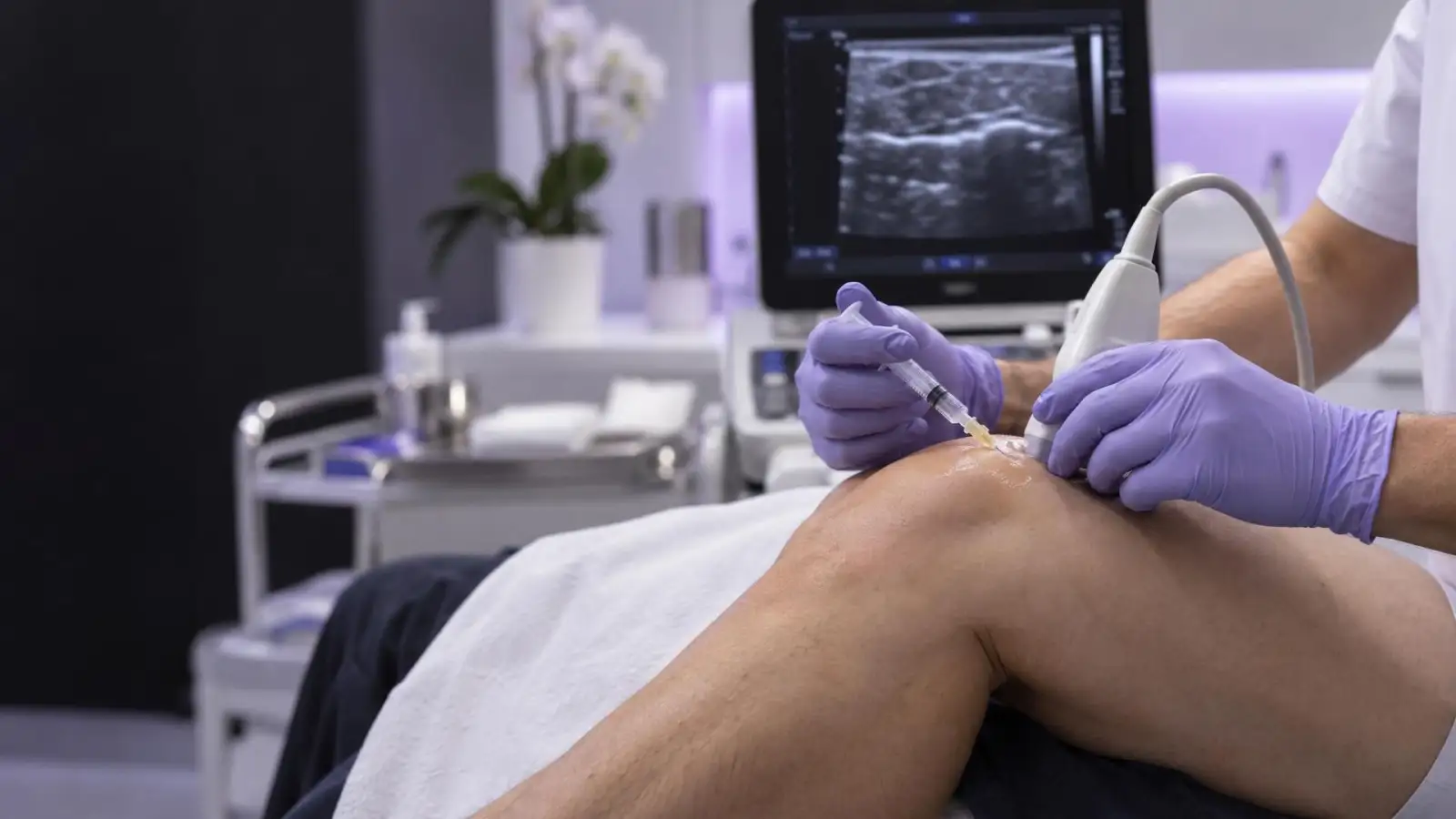


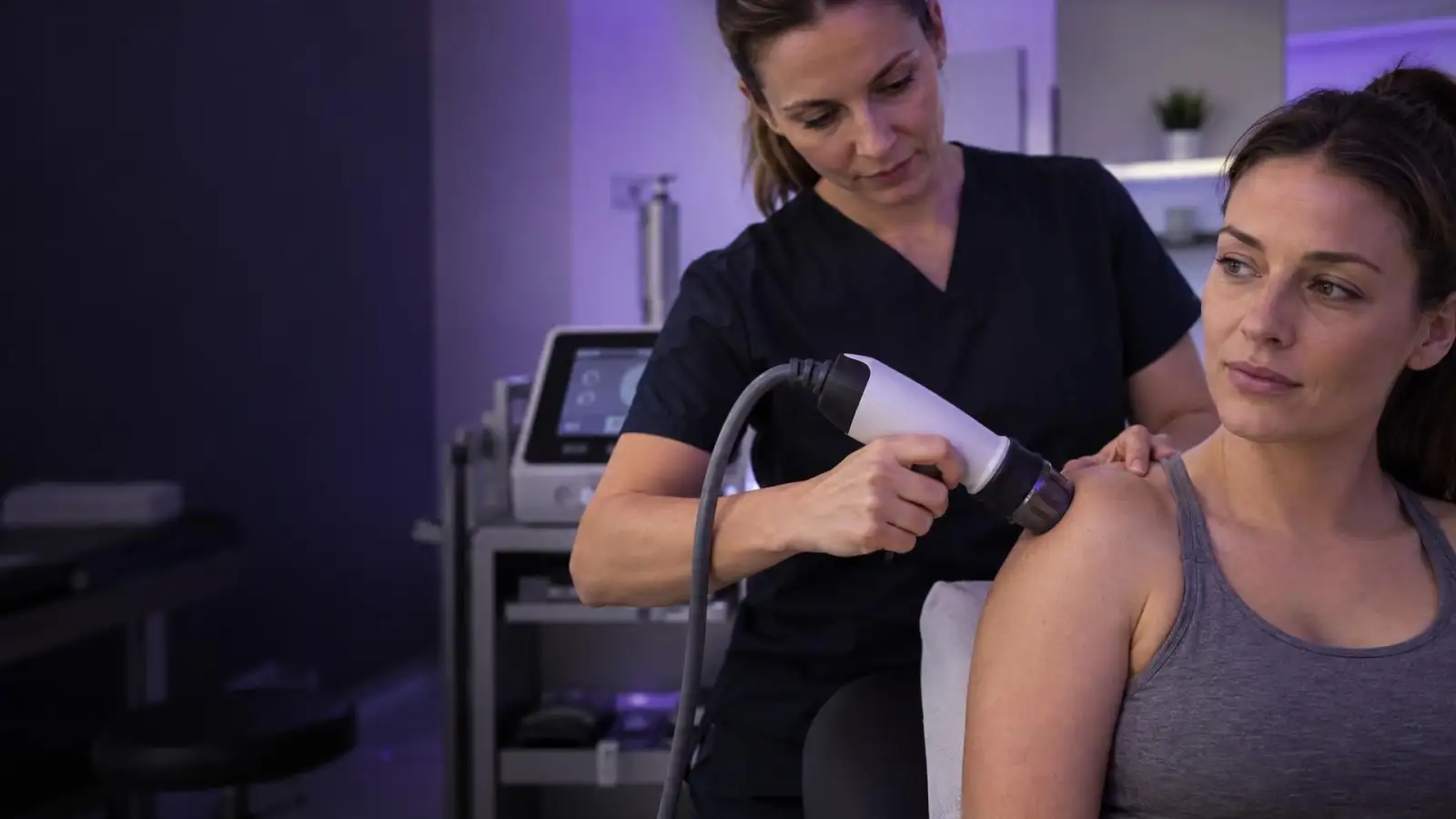
What questions should you ask a stem cell clinic?
The questions to ask a stem cell clinic cover the product, the regulatory pathway, oversight, the provider, injection technique, cost and follow-up. Ask each clinic the same questions, in writing where possible, and note any clinic that cannot or will not answer. A clinic that welcomes the questions is easier to compare than one that sells urgency.
- The product: What is the exact name, manufacturer and source of what will be injected? Is it from your own body (autologous) or a donor (allogeneic)? How is it tested and handled?
- The FDA pathway: Is this exact product approved for this exact use? If not, what lawful pathway applies, such as an effective Investigational New Drug application?
- IRB oversight: If the clinic mentions an IRB, which board, which protocol, what identifier, and would you be a research participant?
- Who injects: Who determines candidacy, who performs the procedure, and can you verify their license?
- Imaging guidance: Will the injection be guided by ultrasound or fluoroscopy, or done without image guidance?
- A written quote: What is the price per treatment, what does it include, and is it per joint or per visit?
- Follow-up: When will progress be reviewed, what will be measured, and who do you call with a concern?
For more detail on each question, read 7 questions to ask your doctor before stem cell treatment.
What are the red flags when choosing a stem cell clinic?
The red flags when choosing a stem cell clinic are claims and behaviors that make a fair comparison impossible. Watch for promises of quick or guaranteed results, vague answers about the product source or processing, minimized risks, no discussion of alternatives, unclear pricing, and pressure to commit before you have the full plan in writing. Any one of these deserves a second opinion.
- Promises of guaranteed results, or claims that cartilage will regrow.
- Describing a stem cell product as FDA-approved for joint pain, or treating IRB review as FDA approval.
- Evasive answers about where the cells come from, or no information on lab testing or sterile handling.
- No mention of side effects, follow-up, or how complications are handled.
- Every patient is a candidate, and no alternatives such as physical therapy or surgery are discussed.
- Saying the clinic "bills insurance" for stem cell injections. Insurance does not cover regenerative orthopedic injections, so that usually means billing something else.
- Discouraging you from checking a provider's license.
Stem cell clinic comparison checklist
A stem cell clinic comparison checklist lets you record each clinic's answers side by side. Print or copy the table, fill in one column per clinic, and leave a box blank when a clinic cannot answer. Blank boxes are information too. Compare only once every row is filled, because price alone tells you little when the products and services differ.
| Criterion | What a clear answer looks like | Warning sign |
|---|---|---|
| Product | Exact name, source and contents, with testing information | "Stem cells" with no further detail |
| FDA pathway | Plain explanation of approval status for this product and use | "FDA-approved" or "FDA-registered" offered as proof |
| IRB | Board name, protocol identifier and consent document | "IRB-approved" with no documents |
| Who injects | Named, licensed provider you can verify | Provider not identified until the procedure day |
| Imaging guidance | Ultrasound or fluoroscopic guidance explained | No guidance for a deep joint injection |
| Written quote | Per-treatment price and what is included, in writing | Verbal estimate or price only after you commit |
| Follow-up | Agreed review point and what will be measured | More sessions sold without reassessment |
Physician-guided regenerative medicine
in Littleton, Colorado
- 4.9★Google rating
- 170Google reviews
- 6 daysOpen Monday–Saturday
- 48Hours open each week

How does Beyond Stem Cells answer the checklist?
Beyond Stem Cells answers the checklist with published facts that you can confirm at a free consultation in Littleton. The clinic offers PRP, donor-derived stem cells and exosomes, publishes one price for all three, operates under an IRB-approved protocol, and lists its physicians and their license details. Where a detail depends on your case, ask for it in writing.
- Product: PRP is prepared from your own blood. The clinic's stem cells are donor-derived mesenchymal stem cells from donated umbilical cord and placental tissue, not your marrow or fat. The exosome page publishes lab characterization of the exosome product used, including pathogen testing.
- FDA pathway: The clinic states plainly that no stem cell or PRP product is FDA-approved to treat joint pain, and FDA states there are no FDA-approved exosome products. Ask how the exact product proposed for you fits its regulatory pathway.
- IRB: The clinic's regenerative work runs under an IRB-approved protocol. Ask for the board name, protocol identifier and consent document; the IRB guide explains what each document does and does not establish.
- Who injects: Every treatment is ordered and supervised by a licensed physician. Dr. Michael Iannotti, MD, board certified and re-certified in Family Medicine, is supervising physician, and Dr. Neville Campbell, MD, MBA, is an anesthesiologist and pain management physician. Ask who will perform your procedure, and verify licenses through Colorado's DORA lookup as described on the medical team page.
- Imaging guidance: Knee injections use ultrasound or fluoroscopic guidance.
- Written quote: $1,500 per joint treatment for PRP, stem cell or exosome, or four for $5,000, with a written quote at consultation and no obligation. See the cost page.
- Follow-up: The medical director approves every plan before scheduling. The clinic recommends agreeing on a review point and what will be measured, and a disappointing response should lead to reassessment rather than an automatic purchase of more sessions.
Some consultations end with a recommendation against treatment. A provider who finds every patient to be a candidate is not assessing anyone.
Comparing stem cell clinics: frequently asked questions
Why do stem cell prices vary so much in Denver?
Prices vary with the product, how much is used, whether the quote is per joint or per visit, what is bundled, and who supervises. Ask each clinic for a per-treatment price in writing and what it includes.
Does IRB approval mean a stem cell treatment is FDA-approved?
No. IRB review concerns protections for people taking part in research. FDA approval is a separate question that applies to a specific product and use.
Should I choose the clinic with the lowest price?
Only if the products, guidance, supervision and follow-up are comparable. A lower price for a different product or a per-visit quote is not a like-for-like comparison.
Is it reasonable to get a second opinion?
Yes. Take time to read the consent and plan, and talk with another clinician if important questions remain unanswered. A good clinic will not pressure you to decide on the spot.
How do I verify a Colorado provider's license?
Use the Colorado Department of Regulatory Agencies (DORA) public lookup, search by name or license number, and check that the license is active and whether there is any disciplinary history.