Blog
Joint Pain Care for Colorado Athletes: Skiing, Hiking & Cycling
By the Beyond Stem Cells Clinical Team · Medically reviewed by Dr. Michael Iannotti, MD
Joint pain in Colorado athletes usually comes from the way skiing, hiking and cycling load the knees, shoulders, ankles and hips over and over, or from a single fall or twist. The first step is an accurate diagnosis and conservative care such as structured physical therapy. When that is not enough, Beyond Stem Cells in Littleton, CO can evaluate whether PRP or another regenerative option may fit your injury and your season.
How do skiing, hiking and cycling load your joints?
Skiing, hiking and cycling load the joints in different ways, which is why the same athlete can develop different problems across a year. Sports injuries happen either suddenly, from a fall or twist, or gradually, from repetitive stress and overuse. Knowing which pattern fits your pain helps a clinician find the cause rather than just the sore spot.
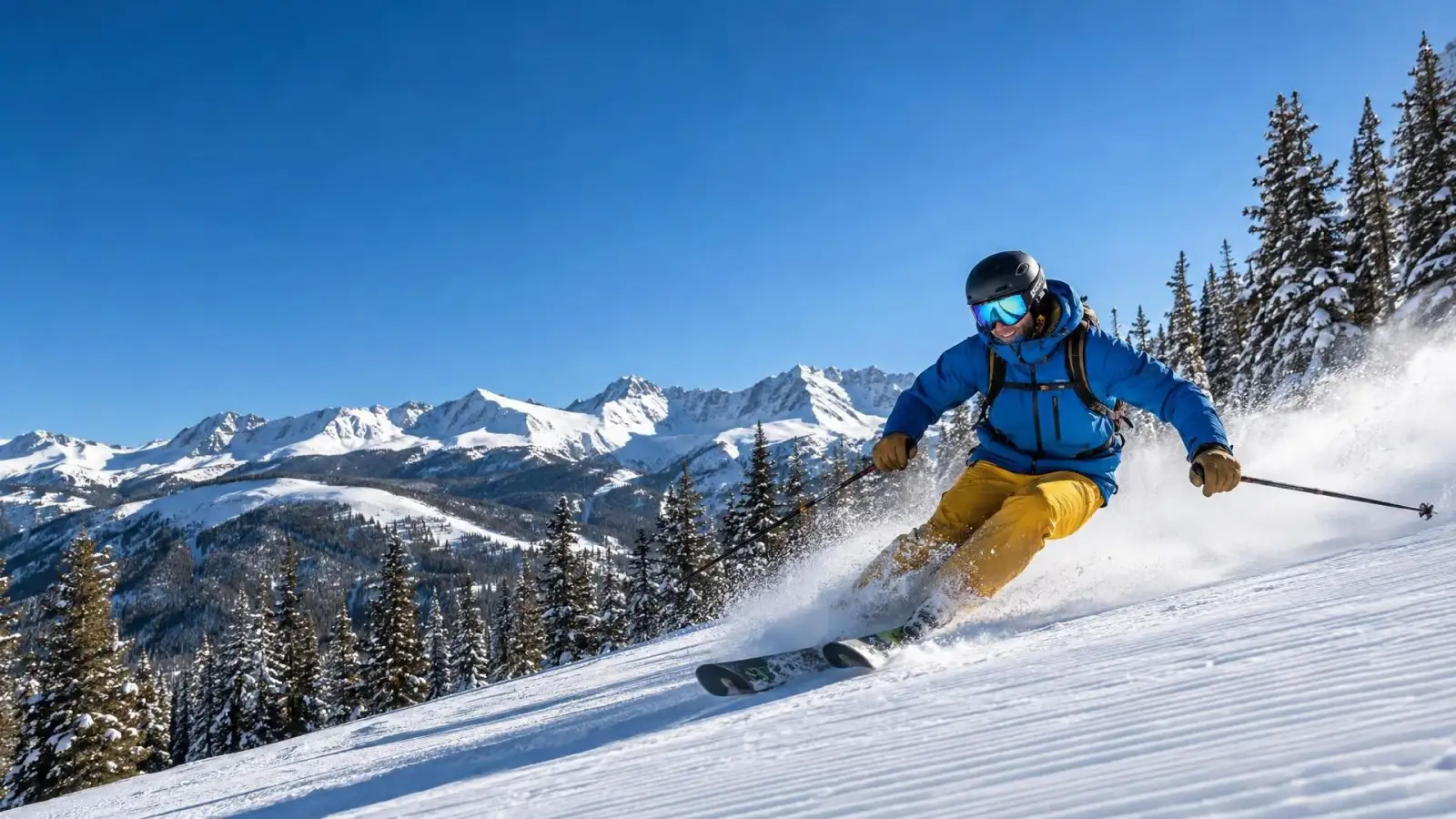
- Skiing and snowboarding: turning, landing and twisting put bending and rotational load through the knees, where ligaments help keep the joint stable. A fall onto an outstretched arm can strain the shoulder, and a hard landing can jar the hips.
- Hiking and trail running: long descents load the front of the knee and the kneecap, steep climbs work the hips, and rocky, uneven trail can roll an ankle. A heavy pack adds load to every step.
- Road and mountain cycling: hours of repeated knee bending can irritate the knee and the tendons around it, especially when bike fit or training volume is off. Falls often land on the shoulder, elbow or wrist.
Common contributors across all three include overtraining, poor biomechanics, muscle imbalances, inadequate recovery time, improper technique and old injuries that were never fully rehabilitated.
When should a Colorado athlete get joint pain checked?
A Colorado athlete should get joint pain checked when symptoms persist or worsen, or when they change how you move. Warning signs include pain during activity, swelling, stiffness, weakness, instability, reduced range of motion, or a drop in performance that rest does not fix. Getting assessed early tends to give you more options, not fewer.
Some symptoms need prompt medical care instead of an elective appointment. A suddenly hot, swollen joint with fever, or an acute injury that stops you from using the limb, should be assessed right away.
Why does conservative care come first?
Conservative care comes first because it has the strongest evidence for many joint problems and costs the least to try. The American Academy of Orthopaedic Surgeons strongly recommends exercise, strengthening and physical activity for symptomatic knee osteoarthritis. If you have not tried structured physical therapy yet, that is often the right first step, and Beyond Stem Cells will tell you so.
Depending on the diagnosis, a clinician may also discuss activity modification, appropriate medication, selected injections or an orthopedic opinion. Ask what you would lose by waiting and what you might gain by trying a conservative approach first. Correcting technique, bike fit or training load can matter as much as any treatment.
Where do PRP and regenerative options fit for athletes?
PRP and regenerative options fit for athletes after a diagnosis is confirmed and conservative care has not given enough relief. PRP, made from your own blood, is often discussed for mild tendon injuries, ligament strain and early arthritis. Donor-derived stem cells may be considered for moderate arthritis or cartilage damage. Neither is promised to work, and results vary between athletes.
- PRP therapy for tendon, ligament and early joint problems.
- Stem cell therapy vs PRP explains how the two differ.
- Shockwave therapy is a non-invasive option that may support circulation and tissue recovery, and is usually bundled with joint treatments at no extra cost.
Regenerative injections are often not the right choice for a complete tear, a joint that is mechanically unstable and needs surgical repair, or advanced bone-on-bone arthritis. Joint treatments at the clinic cost $1,500 each, or four for $5,000. See sports injury treatment for the full range of injuries the clinic evaluates.
How do you plan treatment around a ski, hiking or cycling season?
Planning treatment around a ski, hiking or cycling season means leaving room for recovery before the activities that matter most to you. After a PRP or regenerative injection, mild soreness for several days is normal and strenuous activity is usually limited for a period. Improvement is gradual, typically beginning within a few weeks and continuing over 3 to 6 months.
- Use the shoulder season. A lighter training block, such as late spring between ski and summer seasons or late fall before the snow, gives time for recovery and rehab.
- Allow for more than one session. Many PRP plans use more than one treatment, so ask about spacing at your consultation.
- Record a baseline. Note how far you can hike, how descents feel or which motion hurts, so progress can be measured honestly.
- Follow the rehab plan. Controlled movement and strengthening after the injection affect how well treatment may work.
Your clinician sets activity limits and return-to-sport timing based on your injury and progress, not on a fixed calendar.
Which joints does Beyond Stem Cells treat for athletes?
Beyond Stem Cells treats athletes' knees, shoulders, hips, elbows, hands and wrists, ankles and feet at its Littleton, CO clinic, with a free consultation first. Each joint starts with a review of your history, symptoms, activity goals, previous treatments and imaging. The clinic does not treat spine conditions, so back or neck pain needs evaluation elsewhere.
Joint pain for Colorado athletes: frequently asked questions
Can I keep skiing or hiking with joint pain?
That depends on the cause. Pain that persists, worsens, or comes with swelling or instability should be evaluated before you push through another season.
Can recreational athletes get regenerative treatment?
Yes. Competitive athletes and active people alike may explore regenerative options, but a consultation and evaluation decide whether treatment is appropriate for your injury.
Can PRP help me avoid knee surgery?
Some athletes explore PRP before considering surgery, and it may delay surgery for some patients. It is not a substitute for repairing an unstable joint or replacing a joint with advanced arthritis.
How long after an injection can I train again?
Strenuous activity is usually limited for a period after the injection. Your clinician guides when to return based on the injury and how you respond.
What should I bring to my first visit?
Bring your medical history, medication list, any X-ray or MRI reports and images, records of previous therapy or injections, and a clear description of the activity you want to get back to.