
Grow Young With Us
Almost everything that frightens people after a transplant is a normal, expected part of it. Knowing the order it happens in is the difference between a nervous month and a calm one.
Quick Answer
FUE hair transplant recovery follows a predictable sequence: swelling and scabbing in the first week, gentle washing from around day four, transplanted hairs shedding in weeks two to four, a shock loss phase through months one to three, and real growth from months four to twelve. The shedding is expected and does not mean the grafts failed. Beyond Stem Cells provides written aftercare and follow-up visits with every procedure. Call 1-833-720-7836.
- Days 1–3: swelling peaks, sleep elevated, do not touch the grafts.
- Days 4–7: gentle washing begins on your clinic’s schedule; scabs soften and lift.
- Week 2: transplanted hairs start falling out. This is expected — the follicle stays.
- Months 1–3: shock loss can thin nearby native hair temporarily.
- Months 4–12: real growth, thickening progressively toward the final result.
- Call your clinic for spreading redness, fever, pus, or pain that worsens rather than improves.
Follow-up visits included
Call us anytime
Littleton, CO · serving Denver
Days 1–3: Swelling and the First Night
Swelling is normal, peaks around days two to three, and often migrates downward to the forehead and around the eyes before it resolves. It looks worse than it is and it is temporary.
The first night sets up the whole week:
- Sleep elevated — head raised on pillows or in a recliner. This is the single most effective thing you can do about swelling.
- Do not let anything touch the recipient area — no pillow contact on the grafts, no hats pulled on, no scratching.
- Expect pinpoint oozing in the first 24 hours. Light, not dramatic.
- Take medication as prescribed, and skip alcohol — it worsens swelling and bleeding.
- No bending, lifting or exercise. Anything that raises head pressure works against you now.
Days 4–7: Washing and Scab Care
Washing begins on the schedule your clinic gives you — typically around day four — and it is gentler than you think it needs to be. The goal is to soften and gradually lift scabs without dislodging grafts.
- Pour, do not spray. Cup water and let it run over the area; direct shower pressure is too forceful.
- Apply cleanser with an open palm, patting rather than rubbing. No fingertips working in circles.
- Rinse the same gentle way, and let the area air dry or pat with a clean towel — no rubbing.
- Repeat daily. Consistent gentle washing clears scabs faster than infrequent aggressive washing.
- Do not pick. A scab removed early can take a graft with it.
Most scabbing has cleared by the end of week one to ten days. The donor area typically feels tight or numb during this period, which resolves over the following weeks.
Week 2: Shedding Begins
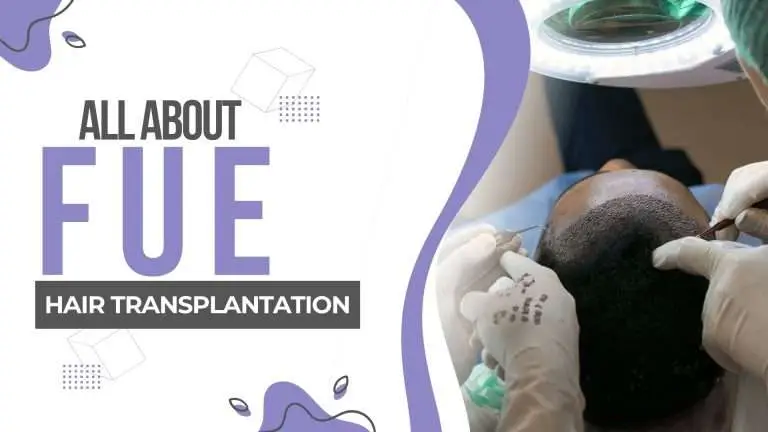
Around weeks two to four, the transplanted hairs fall out — and this is a normal, expected part of the process, not a failure. Every patient is warned about it and a good number still call us anyway, because watching it happen is unnerving.
What is actually happening: the transplanted follicle is what was moved and what survives. The visible hair shaft attached to it is temporary and detaches as the follicle enters a resting phase before restarting growth. Losing the shaft says nothing about whether the follicle took.
By the end of week two most patients are back to normal daily activity, with exercise reintroduced on the schedule the clinic sets.
Months 1–3: Shock Loss Is Normal
Shock loss is temporary thinning of the native hair surrounding the transplanted area, and it is the phase people find hardest. Between transplanted hairs shedding and some existing hairs thinning in response to the procedure, months one through three can genuinely look worse than the day before surgery.
| What you notice | What it means | What to do |
|---|---|---|
| Transplanted hairs shed | Expected; follicle remains | Nothing |
| Nearby native hair thins | Shock loss; usually temporary | Nothing — mention it at follow-up |
| Recipient area looks patchy | Normal mid-phase appearance | Wait; take monthly photos |
| Small pimple-like bumps | Often ingrown hairs emerging | Do not squeeze; mention at follow-up |
Months 4–12: Real Growth
New growth typically begins around months three to four, thickens through months six to nine, and continues maturing toward the final result at twelve months and beyond. Early growth comes in fine and can look wispy; the shafts thicken with each cycle.
- Months 4–5: first new hairs, fine and uneven. Density is not the point yet.
- Months 6–9: the visible change most patients were waiting for. Texture normalizes.
- Months 10–12: maturation — thickness, styling behavior and hairline blending settle.
- Beyond 12 months: the crown, if treated, often lags the front by a few months.
Supportive treatments matter through this window. Beyond Stem Cells includes a stem cell or PRP pre-treatment with every procedure and can continue hair restoration support afterward for the hair you did not transplant — which is still subject to the original loss pattern. Our comparison of stem cell hair restoration vs FUE covers how the two fit together.
Do’s, Don’ts, and When to Call Us
Do:
- Sleep elevated for the first several nights
- Wash exactly as instructed, starting on the day you are told
- Take monthly photos in identical lighting
- Keep every follow-up appointment, especially the ones during the ugly phase
Don’t:
- Pick scabs, scratch, or “test” whether grafts are secure
- Wear tight hats or pull clothing over your head in the first week
- Exercise, swim, or use a sauna until cleared
- Drink alcohol or smoke in the early healing window
- Judge the result before six months
Call us right away for: spreading redness or warmth, fever, pus or foul-smelling drainage, bleeding that does not stop with gentle pressure, or pain that increases rather than decreases after the first few days. These are uncommon, and they are all things we would rather hear about on day five than day fifteen.
Planning ahead rather than recovering already? Our FUE hair transplant cost denver guide covers pricing, financing and what a quote includes.
Frequently Asked Questions
How long does FUE hair transplant recovery take?
The visible healing phase is roughly seven to ten days, with scabs clearing and normal activity resuming. The full result takes twelve months, with real growth beginning around months three to four.
Is it normal for transplanted hair to fall out after two weeks?
Yes. Transplanted hairs commonly shed between weeks two and four. The follicle, which is what was transplanted, remains in place and restarts growth after a resting phase. Shedding does not mean the grafts failed.
What is shock loss after a hair transplant?
Shock loss is temporary thinning of the native hair surrounding the transplanted area, typically occurring in the first three months. It is usually temporary and resolves as the normal growth cycle resumes.
When can I wash my hair after an FUE transplant?
Typically around day four, following your clinic’s specific instructions. Washing should be gentle: pour water rather than using direct shower pressure, apply cleanser with an open palm, and never pick at scabs.
When should I call the clinic after a hair transplant?
Call for spreading redness or warmth, fever, pus or foul-smelling drainage, bleeding that does not stop with gentle pressure, or pain that worsens rather than improves after the first few days.
Questions During Recovery? Call Us.
Follow-up visits are included with every FUE procedure, and the phone is answered 24/7.
Call 1-833-720-7836 (24/7) · Book a free consultation
5912 S Cody St Suite 201, Littleton, CO 80123 · Mon–Sat 9:00 AM–5:00 PM MST
Find us on Google Maps
Medical disclaimer: FUE hair transplantation is a surgical procedure. Recovery timelines are typical ranges and vary by individual. Follow the specific aftercare instructions provided by your surgical team over any general guidance published here. This article is educational and is not medical advice. Individual results vary and no outcome is guaranteed. Always consult a licensed physician about your own situation. Prices shown are current as of August 14, 2026 and are subject to change.